
Navigating the permit process is a crucial step in any remodeling project, as it ensures that the work complies with local regulations and safety standards. The permit process can vary significantly depending on the location and the scope of the project. Generally, it begins with a thorough review of local building codes, zoning laws, and any specific requirements that may pertain to your property.
Homeowners must familiarize themselves with these regulations to avoid potential fines or delays. For instance, some municipalities may require permits for minor renovations, while others may only necessitate them for major structural changes. Once you have a grasp of the local regulations, the next step is to prepare the necessary documentation for your permit application.
This often includes detailed plans of the proposed work, specifications of materials to be used, and sometimes even environmental impact assessments. Engaging with local building officials early in the process can provide valuable insights and help clarify any ambiguities in the requirements. It is also advisable to check if there are any specific deadlines for submitting applications, as some jurisdictions may have seasonal restrictions or limited processing times.
Key Takeaways
- Understanding the permit process is crucial for a successful remodeling project
- Choosing the right design and materials can impact the overall outcome of the project
- Hiring a licensed contractor ensures quality work and adherence to regulations
- Ensuring compliance with building codes is essential for safety and legal reasons
- Obtaining necessary permits is a key step in the remodeling process
Choosing the Right Design and Materials
Selecting the appropriate design and materials for your remodeling project is pivotal not only for aesthetic appeal but also for functionality and longevity. The design should reflect your personal style while also considering the architectural integrity of your home. For example, if you live in a historic district, it may be essential to adhere to certain design guidelines that preserve the character of the neighborhood.
Collaborating with an architect or designer can help you create a cohesive plan that balances your vision with practical considerations. Material selection is equally important, as it can significantly impact both the cost and durability of your remodel. High-quality materials may require a larger initial investment but can lead to long-term savings through reduced maintenance and increased energy efficiency.
For instance, opting for energy-efficient windows not only enhances the aesthetic of your home but also contributes to lower utility bills over time. Additionally, sustainable materials such as reclaimed wood or recycled metal can add unique character to your space while minimizing environmental impact. It’s essential to weigh the pros and cons of various materials, considering factors such as climate, maintenance requirements, and overall cost.
Hiring a Licensed Contractor

Finding a licensed contractor is one of the most critical steps in ensuring a successful remodeling project. A licensed contractor brings expertise, experience, and a network of resources that can streamline the process and mitigate potential issues. When searching for a contractor, it’s advisable to seek recommendations from friends or family who have undertaken similar projects.
Online reviews and ratings can also provide insight into a contractor’s reputation and reliability. Once you have a shortlist of potential contractors, conducting interviews is essential. During these discussions, inquire about their experience with projects similar to yours, their approach to problem-solving, and their timeline for completion.
It’s also important to request references from previous clients to gauge their satisfaction with the contractor’s work. Additionally, ensure that the contractor holds all necessary licenses and insurance coverage, as this protects you from liability in case of accidents or damages during the remodeling process.
Ensuring Compliance with Building Codes
Compliance with building codes is a fundamental aspect of any remodeling project that cannot be overlooked. Building codes are established to ensure safety, accessibility, and structural integrity in construction practices. These codes can vary widely from one jurisdiction to another, so it is imperative to understand the specific regulations that apply to your project.
For example, electrical work must adhere to National Electrical Code (NEC) standards, while plumbing installations must comply with local plumbing codes. To ensure compliance, it is advisable to work closely with your contractor and local building officials throughout the remodeling process. Regular inspections may be required at various stages of construction to verify that work meets code requirements.
Therefore, maintaining open communication with your contractor and being proactive about inspections can help avoid these pitfalls.
Obtaining Necessary Permits
Obtaining the necessary permits is a critical step that follows understanding the permit process and ensuring compliance with building codes. The types of permits required will depend on the nature of your remodeling project; common permits include those for electrical work, plumbing modifications, structural changes, and even zoning variances in some cases. Each permit application typically requires specific documentation, including detailed plans and specifications of the proposed work.
Once you submit your permit application, it will undergo a review process by local authorities who will assess whether it meets all regulatory requirements. This review period can vary in length depending on the complexity of your project and the workload of the permitting office. It’s essential to factor this timeline into your overall project schedule to avoid delays.
After approval, you will receive your permits, which must be displayed prominently at the job site during construction. Failure to obtain or display permits can lead to significant legal repercussions and halt your project until compliance is achieved.
Budgeting for Unexpected Costs
Budgeting for unexpected costs is an essential aspect of any remodeling project that often gets overlooked during initial planning stages. While it’s crucial to establish a clear budget based on estimates from contractors and suppliers, unforeseen expenses can arise at any moment due to various factors such as hidden structural issues or changes in material prices. For instance, during a kitchen remodel, you might discover outdated plumbing or electrical systems that need upgrading to meet current codes.
This reserve can provide peace of mind and flexibility when unanticipated expenses arise. Additionally, maintaining open communication with your contractor throughout the project can help identify potential issues early on, allowing for timely adjustments to both budget and timeline without significant disruption.
Maximizing Resale Value with Smart Upgrades
When undertaking a remodeling project, considering how upgrades will affect resale value is paramount for homeowners looking to invest wisely in their property. Certain renovations tend to yield higher returns on investment (ROI) than others; for example, kitchen remodels often rank among the top projects for increasing home value. Upgrading appliances to energy-efficient models or installing high-quality countertops can make a significant difference in both functionality and appeal.
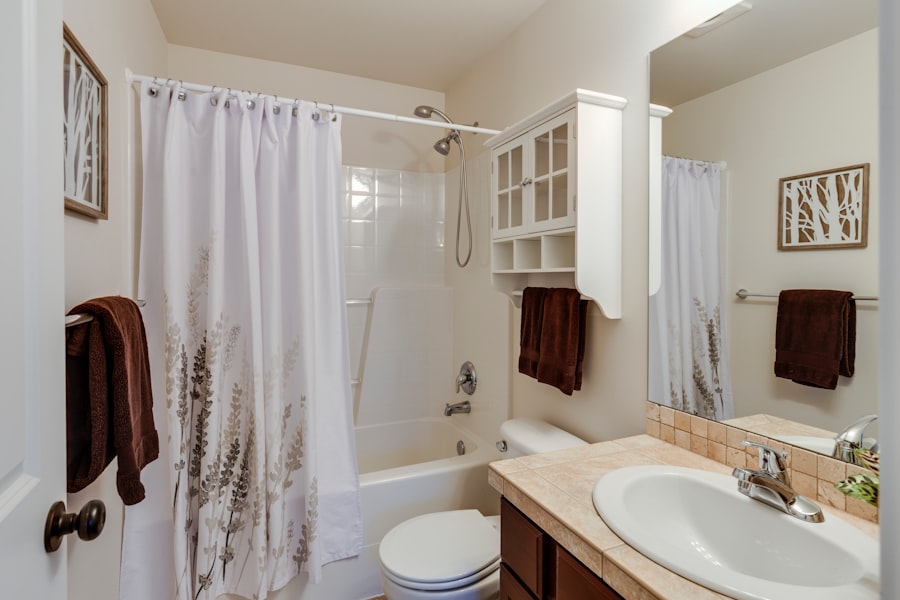
In addition to kitchens, bathroom remodels are another area where smart upgrades can enhance resale value. Simple changes such as modernizing fixtures or adding storage solutions can attract potential buyers without requiring extensive renovations. Curb appeal should not be overlooked either; landscaping improvements or exterior paint jobs can create a lasting first impression that significantly impacts buyer interest.
By focusing on upgrades that align with market trends and buyer preferences, homeowners can maximize their investment while creating a more enjoyable living space.
Completing the Remodeling Process
Completing the remodeling process involves more than just finishing construction; it encompasses final inspections, touch-ups, and ensuring that everything meets your expectations before officially concluding the project. Once construction is complete, it’s essential to conduct a thorough walkthrough with your contractor to identify any areas that may require adjustments or corrections. This step ensures that all aspects of the remodel align with your original vision and comply with agreed-upon specifications.
After addressing any outstanding issues, obtaining final inspections from local authorities is crucial for confirming compliance with building codes and regulations. Once these inspections are passed, you can officially close out your permits and enjoy your newly remodeled space without lingering concerns about compliance or safety issues. Finally, taking time to appreciate the transformation of your home not only provides satisfaction but also reinforces the value of careful planning and execution throughout the remodeling journey.
If you are considering a bathroom remodel for resale in Brooklyn, you may also be interested in reading about Eco-Friendly Bathroom Remodel: Navigating Contractors: A Brooklyn Homeowners Guide