
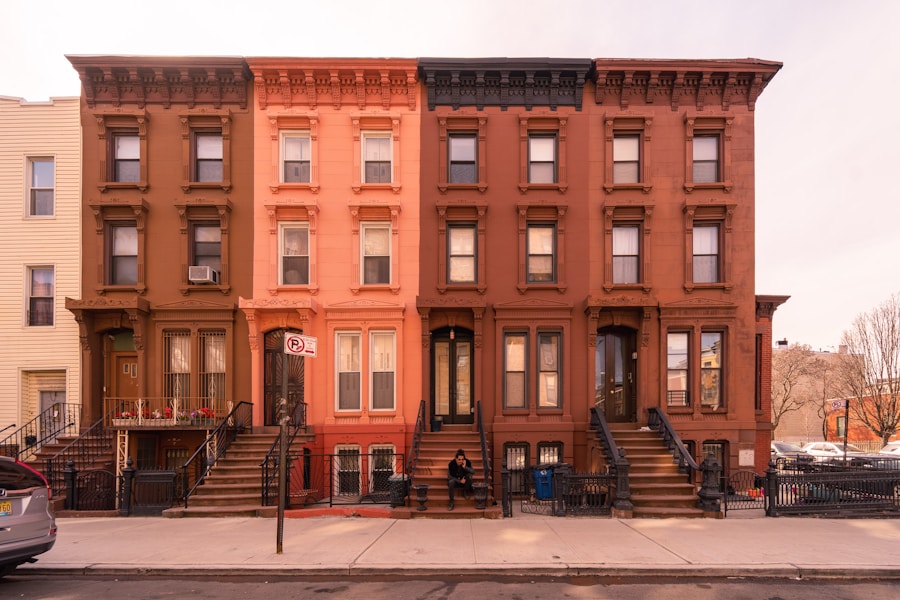
The Brooklyn brownstone is an architectural gem that has become synonymous with the borough’s identity. Characterized by its distinctive brown sandstone facade, these buildings often feature stoops, large windows, and intricate detailing that reflect the craftsmanship of the 19th century. The brownstone style emerged during the mid-1800s, primarily as a response to the growing demand for urban housing in New York City.
As affluent families moved to Brooklyn, builders sought to create elegant residences that would stand out in the burgeoning neighborhoods. The result was a unique blend of Italianate and Romanesque Revival styles, which can be seen in the ornate cornices, decorative brackets, and elaborate doorways that adorn many of these structures. Beyond their aesthetic appeal, brownstones are also notable for their functional design.
Typically, these buildings are constructed as multi-family homes, often featuring multiple stories with separate entrances for each unit. This design not only maximizes living space but also fosters a sense of community among residents. The interior layouts often include spacious living areas, high ceilings, and original hardwood floors, which contribute to the charm and character of these homes.
As Brooklyn continues to evolve, the brownstone remains a sought-after property type, appealing to both investors and families looking for a piece of the borough’s rich history.
Key Takeaways
- Brooklyn Brownstone style is characterized by its historic charm, classic architecture, and iconic brownstone facades.
- When choosing the right location for multi-family properties in Brooklyn, consider factors such as proximity to public transportation, amenities, and neighborhood desirability.
- Navigating zoning and building codes in Brooklyn requires a thorough understanding of local regulations and permits.
- Designing and planning a multi-family brownstone build involves balancing modern amenities with preserving the historic character of the property.
- Financing and budgeting for a Brooklyn brownstone new build requires careful consideration of construction costs, potential rental income, and long-term financial planning.
Choosing the Right Location for Multi-Family Properties in Brooklyn
Selecting the ideal location for a multi-family property in Brooklyn is a critical step that can significantly influence the success of an investment. The borough is home to a diverse array of neighborhoods, each with its own unique character and demographic profile. Areas such as Williamsburg and DUMBO have seen rapid gentrification and development, attracting young professionals and creatives who are drawn to the vibrant culture and proximity to Manhattan.
In contrast, neighborhoods like Crown Heights and Bed-Stuy offer a rich historical context and a strong sense of community, appealing to families and long-term residents. When evaluating potential locations, it is essential to consider factors such as accessibility to public transportation, local amenities, and overall neighborhood trends. Proximity to subway lines can greatly enhance a property’s desirability, as many renters prioritize easy commutes to Manhattan or other parts of Brooklyn.
Additionally, access to parks, schools, restaurants, and shopping can make a neighborhood more attractive to potential tenants. Conducting thorough market research and analyzing demographic data can provide valuable insights into which areas are poised for growth and which may be experiencing stagnation.
Navigating Zoning and Building Codes in Brooklyn
Understanding zoning regulations and building codes is paramount when embarking on a multi-family brownstone project in Brooklyn. Zoning laws dictate how land can be used and what types of structures can be built in specific areas. In Brooklyn, zoning classifications can vary widely from one neighborhood to another, impacting everything from building height to density requirements.
For instance, some areas may be zoned for residential use only, while others may allow for mixed-use developments that combine residential and commercial spaces. Before initiating any construction or renovation project, it is crucial to consult with the New York City Department of Buildings (DOB) to ensure compliance with all relevant codes and regulations.
Additionally, obtaining the necessary permits can be a complex process that requires careful attention to detail. Engaging with local zoning experts or legal advisors can help navigate these challenges and ensure that your project adheres to all applicable laws.
Designing and Planning a Multi-Family Brownstone Build
The design phase of a multi-family brownstone build is where creativity meets practicality. A successful design must not only reflect the aesthetic qualities of traditional brownstones but also accommodate the needs of modern living. This often involves creating flexible floor plans that maximize space while providing comfort and functionality for residents.
Open-concept layouts are increasingly popular, allowing for seamless transitions between living areas while still maintaining distinct spaces for privacy. Incorporating sustainable design elements is also becoming more prevalent in new builds. Features such as energy-efficient appliances, green roofs, and sustainable materials can enhance the property’s appeal while reducing its environmental impact.
Additionally, thoughtful landscaping can create inviting outdoor spaces that foster community interaction among residents. Collaborating with architects who specialize in brownstone renovations can provide valuable insights into maintaining historical integrity while integrating contemporary design elements.
Financing and Budgeting for a Brooklyn Brownstone New Build
Financing a new build in Brooklyn requires careful planning and a clear understanding of the costs involved. The initial budget should encompass not only construction expenses but also land acquisition costs, permits, and professional fees associated with architects and contractors. It is essential to conduct a thorough financial analysis to determine how much capital is needed upfront and what financing options are available.
Potential financing sources include traditional bank loans, private investors, or government programs aimed at supporting affordable housing initiatives. Each option comes with its own set of requirements and implications for ownership structure. For instance, securing a loan from a bank may necessitate a detailed business plan outlining projected rental income and operating expenses.
Additionally, it is wise to account for contingencies in the budget to address unexpected costs that may arise during construction or renovation.
Hiring the Right Team for Your Brooklyn Brownstone Project
Choosing the Right Architect
When selecting an architect, it is beneficial to choose someone with experience in brownstone renovations or new builds who understands the unique challenges associated with these properties.
Vetting Contractors
Contractors should also be carefully vetted based on their track record with similar projects. Requesting references and reviewing past work can provide insight into their reliability and quality of craftsmanship.
The Benefits of a Well-Rounded Team
A well-rounded team not only streamlines the construction process but also ensures that the final product meets both aesthetic standards and functional needs. Additionally, engaging a knowledgeable real estate agent can help navigate the local market dynamics and identify potential tenants once the project is complete.
Marketing and Leasing Multi-Family Properties in Brooklyn
Once your multi-family brownstone project is complete, effective marketing strategies are essential for attracting tenants in Brooklyn’s competitive rental market. Highlighting the unique features of your property—such as original architectural details or modern amenities—can set it apart from other listings. High-quality photography showcasing both interior spaces and outdoor areas can create an appealing visual narrative that resonates with potential renters.
Utilizing online platforms such as Zillow or StreetEasy can significantly enhance visibility among prospective tenants. Additionally, leveraging social media channels allows for targeted advertising campaigns that reach specific demographics interested in renting in Brooklyn. Hosting open houses or virtual tours can also provide an opportunity for potential tenants to experience the property firsthand, fostering a connection that may lead to leasing agreements.
Maintaining and Managing Multi-Family Brownstone Properties in Brooklyn
Effective property management is vital for ensuring the long-term success of multi-family brownstone properties in Brooklyn. Regular maintenance not only preserves the building’s structural integrity but also enhances tenant satisfaction. Establishing a routine maintenance schedule that includes inspections of plumbing, electrical systems, and common areas can prevent minor issues from escalating into costly repairs.
Additionally, fostering positive relationships with tenants is key to maintaining occupancy rates. Open lines of communication allow residents to voice concerns or request repairs promptly. Implementing tenant engagement initiatives—such as community events or newsletters—can create a sense of belonging within the building, encouraging long-term leases and reducing turnover rates.
By prioritizing both maintenance and tenant relations, property owners can ensure their multi-family brownstones remain desirable living spaces in Brooklyn’s dynamic real estate landscape.
If you are interested in learning more about incorporating retro styles into modern homes, check out the article Incorporating Retro Styles into Modern Homes. This article provides valuable insights on how to blend vintage elements with contemporary design to create a unique and stylish living space.
FAQs
What is a brownstone in Brooklyn?
A brownstone in Brooklyn refers to a type of townhouse that is typically made of brown sandstone. These buildings are a defining feature of Brooklyn’s architectural landscape and are often characterized by their stoops and ornate facades.
What is a new build brownstone in Brooklyn?
A new build brownstone in Brooklyn refers to a newly constructed townhouse that is designed to mimic the architectural style of traditional brownstones. These new builds often incorporate modern amenities and design elements while maintaining the historic charm of the original brownstones.
What are multi-family properties in Brooklyn?
Multi-family properties in Brooklyn are residential buildings that contain multiple separate housing units for different households. These properties can range from duplexes and triplexes to larger apartment buildings with multiple units.
What are the benefits of building multi-family properties in Brooklyn?
Building multi-family properties in Brooklyn can provide several benefits, including maximizing land use, creating additional rental income streams, and contributing to the diversity of housing options in the neighborhood.
What are the challenges of building multi-family properties in Brooklyn?
Challenges of building multi-family properties in Brooklyn may include navigating zoning regulations, obtaining necessary permits, managing construction costs, and addressing community concerns about density and neighborhood character.
What are some considerations for building new multi-family brownstones in Brooklyn?
Considerations for building new multi-family brownstones in Brooklyn may include preserving the historic aesthetic of the neighborhood, incorporating modern amenities and energy-efficient features, and ensuring that the design complements the surrounding architecture.
What are some popular neighborhoods in Brooklyn for new multi-family brownstone builds?
Popular neighborhoods in Brooklyn for new multi-family brownstone builds include Park Slope, Bedford-Stuyvesant, Crown Heights, and Prospect Heights, among others. These neighborhoods offer a mix of historic charm and urban amenities, making them attractive locations for new development.