
Before embarking on the journey of transforming your basement into a functional area, it is crucial to conduct a thorough assessment of the space. Begin by measuring the dimensions of the basement, noting the height of the ceilings, the layout of the walls, and any existing features such as windows, columns, or support beams. Understanding these physical characteristics will help you visualize how to best utilize the space.
For instance, a low ceiling may limit your options for overhead lighting or tall furniture, while a basement with ample natural light can create a more inviting atmosphere. Additionally, consider the current condition of the basement. Is it damp or musty?
Are there any signs of water damage or mold? Addressing these issues is paramount before proceeding with any renovations. A damp basement can lead to health problems and damage to your furnishings.
Investing in waterproofing solutions or dehumidifiers may be necessary to create a comfortable environment. Furthermore, think about how you plan to use the space. Whether it’s for a home office, a recreational area, or a guest suite, having a clear vision will guide your design choices and ensure that the final result meets your needs.
Key Takeaways
- Assess your basement space to determine its potential for a home office, considering factors such as size, layout, and existing features.
- Soundproof your basement to minimize noise disturbances from outside and inside the house, using insulation, acoustic panels, and soundproofing materials.
- Ensure proper lighting and ventilation in your basement home office to create a comfortable and productive environment, using natural light, artificial lighting, and ventilation systems.
- Choose the right flooring for your basement home office, considering factors such as moisture resistance, durability, and comfort, and options like carpet, vinyl, or laminate.
- Select furniture that fits your basement home office space and meets your ergonomic and functional needs, including a desk, chair, storage, and accessories.
Soundproofing Your Basement
Soundproofing is an essential consideration when converting your basement into a usable space, especially if it will serve as a home office or entertainment area. The first step in soundproofing is to identify potential sources of noise. This could include external sounds from outside, such as traffic or neighbors, as well as internal sounds from other parts of the house.
To mitigate these disturbances, you can employ various soundproofing techniques. One effective method is to add insulation to the walls and ceiling. Acoustic insulation materials, such as mineral wool or foam panels, can significantly reduce sound transmission.
Additionally, consider using soundproof drywall, which is denser than standard drywall and designed specifically to block sound. Sealing gaps around windows and doors with weather stripping or acoustic caulk can further enhance soundproofing efforts. For floors, adding carpets or rugs can absorb sound and reduce echo, creating a quieter environment.
Lighting and Ventilation
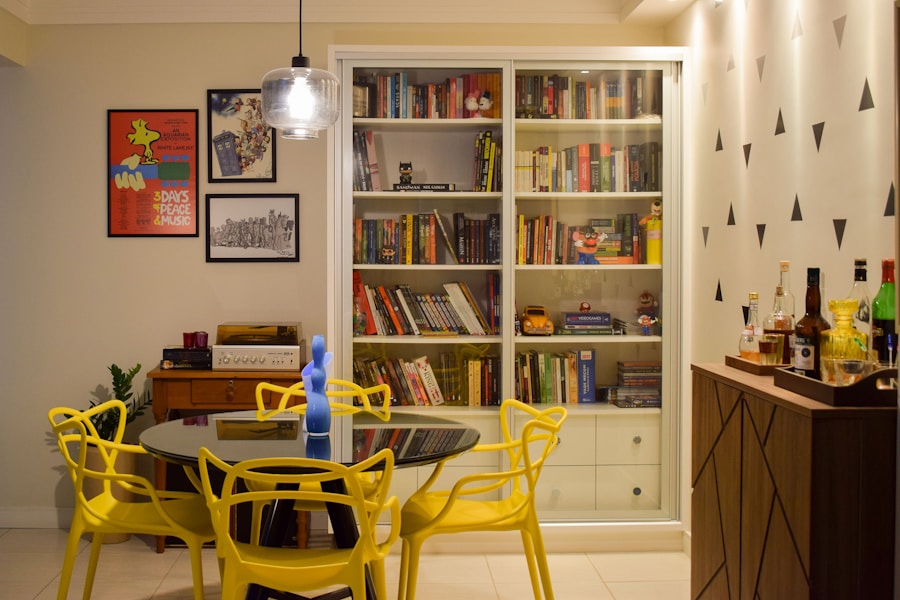
Lighting and ventilation are two critical elements that can dramatically affect the ambiance and functionality of your basement space. Since basements often lack natural light, it’s essential to incorporate a variety of lighting options to create an inviting atmosphere. Start with overhead lighting; recessed lights or flush mounts can provide general illumination without taking up valuable space.
Consider layering your lighting by adding task lighting, such as desk lamps or floor lamps, to specific areas where focused light is needed. Ventilation is equally important in maintaining a comfortable environment in your basement. Poor ventilation can lead to stale air and humidity issues, which are particularly problematic in lower levels of a home.
If your basement has windows, ensure they can be opened to allow fresh air in. If not, consider installing an exhaust fan or a whole-house ventilation system to improve air circulation. Additionally, incorporating plants can enhance air quality while adding a touch of nature to your space.
Choosing the Right Flooring
Selecting the right flooring for your basement is crucial for both aesthetics and functionality. Basements are often prone to moisture, so it’s essential to choose materials that can withstand damp conditions without warping or deteriorating over time. Vinyl flooring is an excellent option due to its water-resistant properties and wide range of styles that mimic wood or tile.
It’s also easy to clean and maintain, making it ideal for high-traffic areas. Another popular choice is laminate flooring, which offers durability and a variety of designs at an affordable price point. However, it’s important to ensure that the laminate is rated for moisture resistance if you opt for this material.
For those seeking a warmer feel underfoot, consider using carpet tiles. These tiles are not only comfortable but also allow for easy replacement in case of stains or damage. Whichever flooring option you choose, ensure that it complements the overall design theme of your basement while providing practicality for everyday use.
Selecting the Right Furniture
When furnishing your basement, it’s essential to choose pieces that are both functional and stylish while considering the unique characteristics of the space. Start by selecting furniture that fits the scale of your basement; oversized pieces can make a small area feel cramped, while too-small furniture may look out of place. Modular furniture is an excellent choice for basements because it can be rearranged easily to accommodate different activities or gatherings.
In addition to size, consider the purpose of each piece of furniture.
If you’re creating a recreational area, opt for comfortable seating like sectional sofas or bean bags that encourage relaxation and social interaction.
Multi-functional furniture, such as ottomans with storage or fold-out tables, can maximize space efficiency while providing versatility.
Organizing Your Home Office

Creating an organized home office in your basement requires careful planning and consideration of both functionality and aesthetics. Start by establishing designated zones within your workspace; this could include areas for computer work, paperwork organization, and even relaxation breaks. Use shelving units or cabinets to keep supplies neatly stored and easily accessible while maintaining a clutter-free environment.
Incorporating organizational tools such as file organizers, desk trays, and cable management solutions can help streamline your workflow and enhance productivity. Personalize your office with decorative elements that inspire creativity—such as artwork or motivational quotes—while ensuring that they do not distract from your work tasks. A well-organized home office not only boosts efficiency but also contributes to a more enjoyable working experience.
Adding Personal Touches
Personalizing your basement space is what transforms it from a mere room into a reflection of your personality and style. Start by selecting a color palette that resonates with you; whether you prefer bold hues or soft pastels, paint can dramatically alter the mood of the room. Consider adding accent walls with wallpaper or decorative paint techniques to create visual interest.
Incorporate personal items such as photographs, artwork, or memorabilia that tell your story and make the space feel uniquely yours. Displaying books on shelves or creating a gallery wall with framed art can add character while showcasing your interests and passions. Additionally, consider integrating textiles like throw pillows or blankets that not only enhance comfort but also introduce texture and warmth into the environment.
Maintaining a Quiet and Productive Environment
To ensure that your basement remains a quiet and productive environment, establish routines that promote focus and minimize distractions. Start by setting specific work hours if you’re using the space as an office; this helps create boundaries between work and leisure time. During these hours, limit interruptions by silencing notifications on devices and creating a dedicated workspace free from distractions.
Incorporating noise-canceling headphones can also be beneficial if external sounds are an issue. Additionally, consider implementing strategies such as time-blocking or using productivity techniques like the Pomodoro Technique to maintain focus during work sessions. Regularly decluttering your space will help keep distractions at bay while fostering an atmosphere conducive to productivity.
By prioritizing organization and minimizing noise disruptions, you can create an environment that supports both creativity and concentration in your basement sanctuary.
Their team can help you transform your basement into a functional and stylish workspace that meets your needs. For more information on how to make smart renovations and functional enhancements to your basement, visit ESG Builders Ltd. Additionally, if you have any questions about basement remodeling, you can find answers in their FAQs section at ESG Builders Ltd.
FAQs
What are the benefits of creating a home office in the basement?
Creating a home office in the basement can provide a quiet and private space away from the main living areas of the home, reducing distractions and increasing productivity. It can also maximize the use of space in the home and add value to the property.
What are some considerations for creating a quiet home office in the basement?
When creating a quiet home office in the basement, it’s important to consider factors such as soundproofing, adequate lighting, ventilation, and access to power outlets and internet connectivity. Additionally, it’s important to address any potential issues with moisture and humidity in the basement.
What are some design and decor ideas for a modern basement home office?
Design and decor ideas for a modern basement home office may include using light and neutral colors to brighten the space, incorporating ergonomic furniture for comfort and productivity, and adding personal touches such as artwork and plants to create a welcoming and inspiring work environment.
What are some tips for soundproofing a basement home office?
To soundproof a basement home office, consider using acoustic panels or foam to absorb sound, installing soundproofing insulation in the walls and ceiling, and adding rugs or carpeting to reduce noise from foot traffic. Additionally, sealing any gaps or cracks in the walls and windows can help minimize sound transmission.
What are some ways to address natural light in a basement home office?
To address natural light in a basement home office, consider installing larger windows or adding a window well to bring in more natural light. Alternatively, using light-colored paint, mirrors, and strategically placing artificial lighting can help brighten the space and create a more inviting work environment.