
The kitchen has long been regarded as the heart of the home, a space where culinary creativity flourishes and family bonds are strengthened. In recent years, the concept of smart kitchen remodeling has gained traction, transforming traditional cooking spaces into modern, efficient environments that cater to the needs of today’s homeowners. This evolution is not merely about aesthetics; it encompasses functionality, technology integration, and sustainability.
As families grow and lifestyles change, the demand for kitchens that can adapt to various needs has never been more pronounced. Smart kitchen remodeling involves a comprehensive approach that considers both the practical and aesthetic aspects of the space. It is about creating a kitchen that not only looks good but also enhances the cooking experience through innovative design and technology.
From energy-efficient appliances to intuitive layouts, the modern kitchen is a blend of style and substance. Homeowners are increasingly seeking ways to incorporate smart solutions that streamline their cooking processes, improve energy efficiency, and elevate their overall culinary experience.
Key Takeaways
- Smart kitchen remodeling involves integrating technology and modern design to create a more efficient and convenient cooking space.
- Assess your kitchen needs and goals by considering your cooking habits, family size, and lifestyle to determine the best layout and features for your remodel.
- Design a functional and stylish kitchen layout that maximizes space and flow, while also incorporating your personal style and aesthetic preferences.
- Select chef-worthy appliances and fixtures that are high-quality, energy-efficient, and suited to your cooking needs and preferences.
- Incorporate smart technology such as smart appliances, lighting, and voice-controlled assistants to enhance efficiency and convenience in your kitchen.
Assessing Your Kitchen Needs and Goals
Before embarking on a kitchen remodeling project, it is essential to conduct a thorough assessment of your current kitchen space and identify your specific needs and goals. This process begins with an honest evaluation of how you use your kitchen on a daily basis. Are you an avid cook who requires ample counter space and high-performance appliances?
Or do you primarily use your kitchen for quick meals and entertaining guests? Understanding your cooking habits will help inform your design choices and ensure that the new kitchen meets your lifestyle requirements. In addition to evaluating your cooking habits, consider your long-term goals for the space.
Are you planning to stay in your home for many years, or is this remodel part of a strategy to increase property value for a future sale? If you intend to remain in your home, you may prioritize personalization and comfort, while a focus on resale value might lead you to choose more universally appealing designs and features. Engaging in discussions with family members about their preferences can also provide valuable insights into what elements are most important for everyone who uses the kitchen.
Designing a Functional and Stylish Kitchen Layout
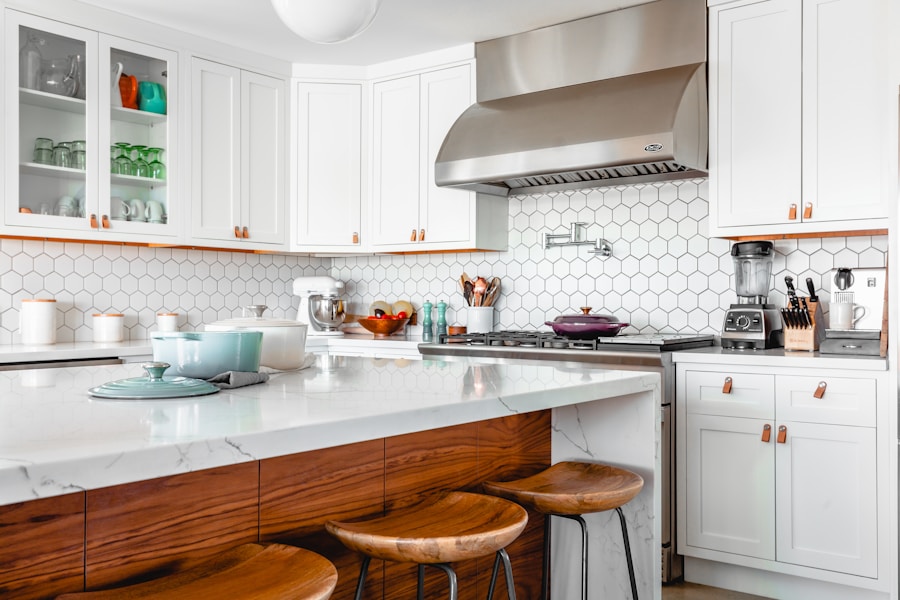
The layout of your kitchen plays a pivotal role in its overall functionality and aesthetic appeal. A well-designed kitchen layout not only enhances workflow but also creates an inviting atmosphere for family gatherings and social interactions. The most common kitchen layouts include the U-shape, L-shape, galley, and open-concept designs, each offering unique advantages depending on the size and shape of your space.
When designing your kitchen layout, consider the work triangle concept, which emphasizes the relationship between the stove, sink, and refrigerator. This triangle should be efficient, allowing for easy movement between these key areas while minimizing unnecessary steps. For instance, in an L-shaped kitchen, placing the stove and sink on one side while positioning the refrigerator nearby can create an efficient workflow.
Additionally, incorporating an island can provide extra counter space for food preparation and serve as a gathering spot for family and friends. The choice of materials, colors, and finishes will further enhance the visual appeal of the layout, allowing you to express your personal style while maintaining functionality.
Selecting Chef-Worthy Appliances and Fixtures
The selection of appliances and fixtures is a critical component of any kitchen remodel, particularly for those who take their cooking seriously. High-quality appliances can significantly impact both the efficiency of meal preparation and the overall enjoyment of cooking. When choosing appliances, consider features that align with your culinary aspirations.
For example, if you love baking, investing in a double oven can provide the flexibility needed for preparing multiple dishes simultaneously. In addition to performance, energy efficiency is an important consideration when selecting appliances. Look for ENERGY STAR-rated products that consume less energy without sacrificing functionality.
Smart appliances are also gaining popularity; these devices can be controlled remotely via smartphone apps, allowing you to preheat your oven or monitor cooking times from anywhere in your home. Fixtures such as faucets should not only complement the overall design but also offer practical features like pull-down sprayers or touchless activation for added convenience.
Incorporating Smart Technology for Efficiency and Convenience
The integration of smart technology into kitchen design has revolutionized how we interact with our cooking spaces. Smart kitchens are equipped with devices that enhance efficiency and convenience, making everyday tasks easier and more enjoyable. For instance, smart refrigerators can track inventory levels, suggest recipes based on available ingredients, and even create shopping lists that sync with your smartphone.
Another exciting development in smart kitchen technology is the rise of voice-activated assistants like Amazon Alexa or Google Assistant. These devices can control smart appliances, set timers, play music, or provide cooking instructions—all hands-free. Additionally, smart lighting systems allow homeowners to adjust brightness levels or color temperatures based on the time of day or activity being performed in the kitchen.
By incorporating these technologies into your remodel, you can create a kitchen that not only meets your culinary needs but also enhances your overall lifestyle.
Choosing Durable and Easy-to-Clean Materials
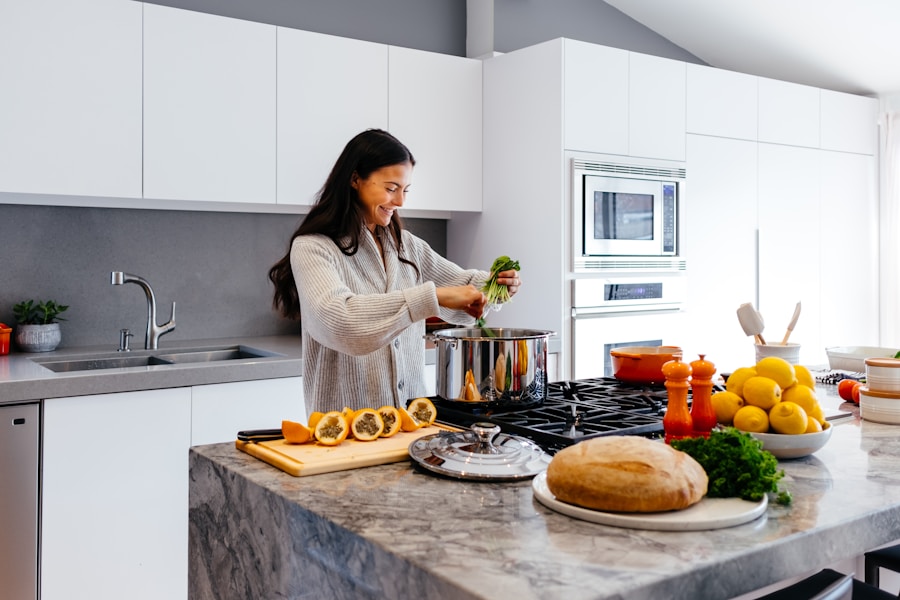
When it comes to selecting materials for your kitchen remodel, durability and ease of maintenance should be top priorities. The kitchen is one of the most heavily used areas in a home, subject to spills, stains, and wear over time. Therefore, choosing materials that can withstand daily use while remaining visually appealing is essential.
Countertops are a focal point in any kitchen design; materials such as quartz or granite offer both durability and aesthetic appeal. Quartz countertops are non-porous, making them resistant to stains and easy to clean, while granite provides a unique natural beauty with proper sealing. For cabinetry, consider materials like plywood or solid wood that can endure moisture and temperature fluctuations without warping or deteriorating.
Additionally, selecting finishes that resist scratches and are easy to wipe down will help maintain the kitchen’s appearance over time.
Maximizing Storage and Organization Solutions
A well-organized kitchen is crucial for efficiency and ease of use. As part of your remodeling project, it’s important to maximize storage solutions that cater to your specific needs while keeping the space clutter-free. Custom cabinetry can be designed to fit awkward spaces or accommodate specific items like pots, pans, or small appliances.
Pull-out shelves or deep drawers can make accessing items easier than traditional cabinets. Incorporating vertical storage solutions such as wall-mounted shelves or hanging pot racks can free up counter space while adding visual interest to the kitchen design. Additionally, consider using drawer dividers or organizers to keep utensils sorted and easily accessible.
A well-planned pantry with adjustable shelving can also help keep dry goods organized while making it easy to find what you need when preparing meals.
Budgeting and Hiring the Right Professionals for the Job
Establishing a realistic budget is a critical step in any remodeling project. Begin by determining how much you are willing to invest in your kitchen remodel while considering potential returns on investment if you plan to sell your home in the future. It’s essential to account for all aspects of the project, including materials, labor costs, permits, and unexpected expenses that may arise during construction.
Once you have a budget in place, hiring the right professionals can make all the difference in achieving your vision for a smart kitchen remodel. Research local contractors who specialize in kitchen renovations and check their references and portfolios to ensure they align with your style preferences and project requirements. Engaging an experienced designer can also help streamline the process by providing valuable insights into layout optimization and material selection while ensuring that all elements work harmoniously together.
By carefully assessing your needs, designing a functional layout, selecting quality appliances, incorporating smart technology, choosing durable materials, maximizing storage solutions, budgeting effectively, and hiring skilled professionals, you can create a smart kitchen that enhances both your culinary experience and overall quality of life in your home.
If you are looking to maximize the space in your Brooklyn home, you may want to consider efficient strategies like those outlined in this article. Additionally, if you are thinking about converting your basement into a home office, you can find helpful tips in com/basement-home-office-conversions/’>this article.
And for those dreaming of transforming their home into a chef-worthy kitchen, be sure to check out the step-by-step guide in this article.
FAQs
What is smart kitchen remodeling?
Smart kitchen remodeling refers to the use of modern technology and innovative design to create a more efficient and functional kitchen space. This can include the use of smart appliances, energy-efficient lighting, and space-saving storage solutions.
What are the benefits of smart kitchen remodeling?
Smart kitchen remodeling can result in a more efficient use of space, reduced energy consumption, and improved functionality. It can also enhance the overall aesthetic appeal of the kitchen and increase the value of the home.
What are some popular smart kitchen features?
Popular smart kitchen features include smart appliances such as refrigerators, ovens, and dishwashers that can be controlled remotely, as well as touchless faucets, motion-sensing lights, and integrated smart home systems.
How can I create a chef-worthy kitchen in my Brooklyn home?
To create a chef-worthy kitchen in your Brooklyn home, consider incorporating professional-grade appliances, ample counter space, high-quality cookware and utensils, and efficient storage solutions. Additionally, a well-designed layout and proper ventilation are essential for a chef-worthy kitchen.
What are some tips for smart kitchen remodeling in Brooklyn?
When remodeling your kitchen in Brooklyn, consider the layout and flow of the space, the use of natural light, and the incorporation of energy-efficient appliances and fixtures. It’s also important to work with a reputable contractor who is familiar with the unique challenges of remodeling in Brooklyn.