
Brooklyn’s soil composition is a complex tapestry woven from various geological and environmental factors. The borough’s soil primarily consists of sandy loam, clay, and silt, with significant variations depending on the specific location. For instance, areas closer to the waterfront may exhibit more sandy soils due to historical sediment deposits from the East River and the Atlantic Ocean.
In contrast, regions further inland may have heavier clay soils, which can pose unique challenges for construction and landscaping projects. Understanding these variations is crucial for anyone looking to undertake excavation or site preparation in Brooklyn. The soil in Brooklyn also reflects its urban history, with many areas having undergone significant alteration due to human activity.
The presence of fill material—soil that has been brought in from other locations—can complicate the natural soil profile. This fill often consists of a mix of construction debris, organic matter, and other materials that can affect drainage and stability. Therefore, a thorough analysis of the soil composition is essential before any excavation work begins.
Soil testing can reveal pH levels, nutrient content, and compaction characteristics, all of which are vital for determining the best approach to site preparation and construction.
Key Takeaways
- Brooklyn soil composition is typically a mix of sand, silt, and clay, which can vary greatly from one location to another.
- Proper site preparation is crucial for ensuring the stability and longevity of any construction project in Brooklyn.
- Hiring the right excavation contractor with experience in Brooklyn soil conditions is essential for a successful project.
- Assessing drainage and grading needs is important to prevent water accumulation and potential damage to the construction site.
- Excavation techniques for Brooklyn soil should be carefully chosen to minimize disruption and ensure the safety of the surrounding environment.
Importance of Proper Site Preparation
Proper site preparation is a foundational step in any construction project, particularly in a densely populated area like Brooklyn. The significance of this phase cannot be overstated; it sets the stage for the entire project and can influence everything from structural integrity to landscaping outcomes. Site preparation involves clearing the land of debris, vegetation, and any existing structures, as well as grading the land to ensure proper drainage.
Neglecting this critical step can lead to a host of problems down the line, including water pooling, erosion, and even structural failure. Moreover, effective site preparation allows for a more efficient construction process. By ensuring that the ground is level and stable, contractors can minimize delays caused by unforeseen issues such as soil instability or inadequate drainage.
In Brooklyn, where space is at a premium and construction timelines are often tight, this efficiency can translate into significant cost savings. Additionally, well-prepared sites are more conducive to implementing sustainable practices, such as rain gardens or permeable paving, which can enhance the environmental quality of the area.
Hiring the Right Excavation Contractor

Selecting an excavation contractor in Brooklyn requires careful consideration and due diligence. The right contractor should not only possess the necessary skills and equipment but also have a deep understanding of local soil conditions and regulations. A contractor with experience in Brooklyn will be familiar with the unique challenges posed by the borough’s diverse soil types and urban environment.
They should be able to provide references from previous projects and demonstrate a track record of successful excavations in similar conditions. In addition to technical expertise, effective communication is another critical factor when hiring an excavation contractor. The contractor should be willing to discuss project timelines, potential challenges, and strategies for overcoming them.
A transparent approach fosters trust and ensures that all parties are aligned on expectations. Furthermore, it is advisable to obtain multiple quotes from different contractors to compare pricing and services offered. This not only helps in finding a competitive rate but also provides insight into each contractor’s approach to project management and customer service.
Assessing Drainage and Grading Needs
Drainage and grading are pivotal aspects of site preparation that directly impact the longevity and functionality of any construction project. In Brooklyn, where heavy rainfall can lead to flooding, proper drainage systems are essential for preventing water accumulation around foundations. An effective drainage plan should consider both surface water runoff and subsurface water flow.
This often involves installing French drains, catch basins, or other drainage solutions tailored to the specific site conditions. Grading is equally important as it involves shaping the land to direct water away from structures and prevent erosion. The grading process must be executed with precision; even minor miscalculations can lead to significant issues over time.
In Brooklyn’s varied topography, understanding how to manipulate the land effectively requires expertise in both engineering principles and local environmental conditions. A well-graded site not only enhances drainage but also creates a more aesthetically pleasing landscape that can increase property value.
Excavation Techniques for Brooklyn Soil
Excavation techniques must be adapted to suit Brooklyn’s diverse soil types and urban landscape. For instance, when dealing with sandy soils near the waterfront, contractors may employ techniques such as trenching or augering to minimize disturbance while ensuring stability. Conversely, in areas with heavy clay soils, techniques like bulk excavation may be necessary to remove large volumes of material efficiently.
Each method has its own set of advantages and challenges that must be carefully weighed against project requirements. Additionally, modern excavation technology has introduced innovative methods that enhance efficiency and reduce environmental impact. For example, hydraulic excavators equipped with specialized attachments can perform precise digging tasks while minimizing soil disturbance.
This is particularly beneficial in urban settings where space is limited and surrounding structures must be protected from vibration or movement during excavation. Understanding these techniques allows contractors to select the most appropriate methods for each specific project while adhering to best practices in safety and environmental stewardship.
Addressing Environmental Concerns
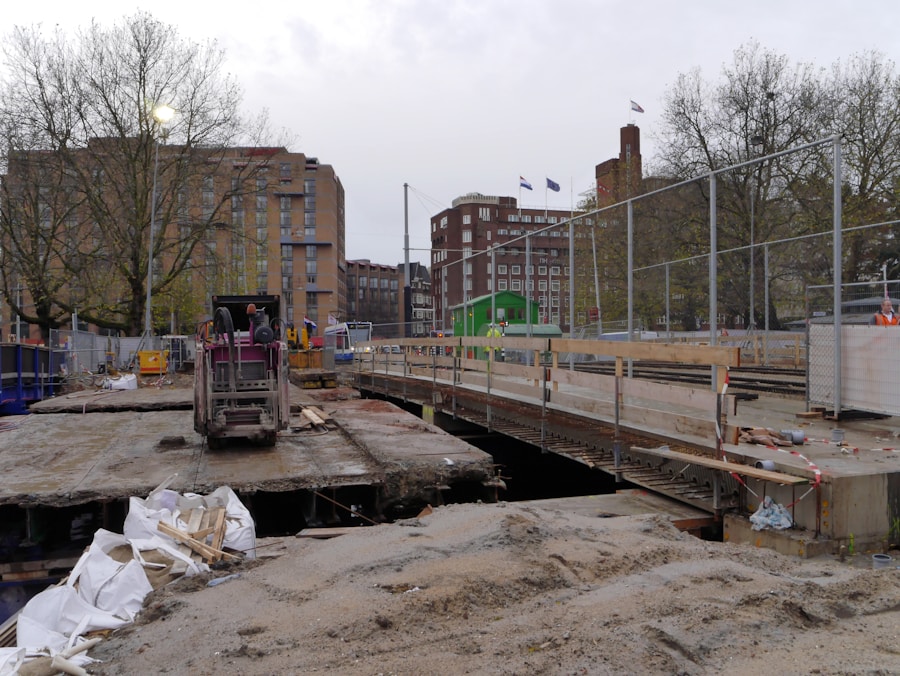
Conducting Environmental Assessments and Sustainable Practices
Therefore, it is essential for contractors to implement environmentally responsible practices throughout the excavation process. This includes conducting environmental assessments prior to beginning work to identify potential impacts on local flora and fauna. Moreover, sustainable excavation practices can mitigate negative effects on the environment. For instance, using biodegradable materials for erosion control or implementing sedimentation barriers can help protect nearby waterways from runoff containing sediment or pollutants.
Reducing Waste and Conserving Natural Resources
Additionally, recycling excavated materials whenever possible not only reduces waste but also conserves natural resources. By prioritizing environmental stewardship during excavation projects, contractors can contribute positively to Brooklyn’s urban ecosystem while fulfilling their obligations to clients.
Prioritizing Environmental Stewardship
By prioritizing environmental stewardship during excavation projects, contractors can contribute positively to Brooklyn’s urban while fulfilling their obligations to clients.
Ensuring Compliance with Local Regulations
Navigating local regulations is a critical aspect of any excavation project in Brooklyn. The city has established a comprehensive set of guidelines governing excavation activities to ensure public safety and environmental protection. These regulations cover everything from obtaining necessary permits to adhering to specific construction codes that dictate how excavation should be conducted based on soil type and location.
Failure to comply with these regulations can result in fines, project delays, or even legal action. To ensure compliance, contractors must stay informed about current regulations and engage with local authorities throughout the project lifecycle. This often involves submitting detailed plans for review before work begins and scheduling inspections at various stages of the excavation process.
Additionally, contractors should maintain open lines of communication with neighbors and community stakeholders to address any concerns related to noise, dust, or traffic disruptions caused by excavation activities.
Maintaining Safety During Site Prep and Excavation
Safety is paramount during site preparation and excavation activities in Brooklyn due to the inherent risks associated with heavy machinery and unstable soil conditions. Contractors must adhere to strict safety protocols to protect workers and the public alike. This includes providing appropriate personal protective equipment (PPE) such as hard hats, gloves, and high-visibility clothing for all personnel on-site.
Furthermore, conducting regular safety training sessions ensures that all workers are aware of potential hazards and know how to respond effectively in emergencies. Implementing safety measures such as establishing clear boundaries around excavation sites with barriers or signage can help prevent unauthorized access and accidents.
By prioritizing safety at every stage of site preparation and excavation, contractors not only protect their workforce but also foster a culture of responsibility that resonates throughout the community. This commitment to safety ultimately enhances the reputation of contractors within Brooklyn’s competitive construction landscape while contributing positively to overall project success.
If you’re interested in learning more about affordable upgrades and budget-friendly solutions for your home, check out this article on Affordable Upgrades & Budget-Friendly Solutions. This article provides tips and ideas for improving your home without breaking the bank. It’s a great resource for homeowners looking to make improvements without spending a fortune.
FAQs
What is site preparation and excavation?
Site preparation and excavation is the process of clearing, grading, and leveling a piece of land in preparation for construction. This includes removing any obstacles, such as trees or rocks, and shaping the land to create a solid foundation for a building.
Why is site preparation and excavation important?
Site preparation and excavation are crucial for ensuring a solid and stable foundation for any construction project. Proper site preparation helps to prevent issues such as settling, shifting, or water drainage problems that can arise if the land is not properly prepared.
What are the steps involved in site preparation and excavation?
The steps involved in site preparation and excavation typically include clearing the land of any obstacles, grading the land to ensure proper drainage, and excavating the soil to the required depth for the foundation. This process may also involve compacting the soil to ensure stability.
What are the challenges of site preparation and excavation in Brooklyn soil?
Brooklyn soil can present challenges such as high clay content, which can lead to poor drainage and stability issues. Additionally, the presence of underground utilities and limited space in urban areas can make site preparation and excavation more complex.
How can I ensure a solid foundation in Brooklyn soil?
To ensure a solid foundation in Brooklyn soil, it is important to work with experienced professionals who understand the unique challenges of working in urban environments. Proper soil testing, drainage considerations, and careful excavation are all essential for a successful site preparation and excavation process.