
Creating a basement gym is an exciting venture that allows you to tailor a workout space to your specific needs and preferences. The first step in this process is thorough planning. Begin by assessing the available space in your basement.
Consider the dimensions, ceiling height, and any structural elements such as support beams or ductwork that may impact your layout. It’s essential to visualize how you want the space to function. Will it be a multi-purpose area for cardio, strength training, and stretching, or will you focus on specific types of workouts?
Sketching a rough floor plan can help you determine how to best utilize the space. In addition to the physical layout, think about the atmosphere you want to create. Lighting plays a crucial role in setting the mood for your workouts.
If your basement has windows, consider how natural light can be incorporated into your design. If not, plan for adequate artificial lighting that can brighten the space without being harsh. Ventilation is another critical factor; ensure that there is sufficient airflow to keep the environment comfortable during intense workouts.
Finally, consider storage solutions for your equipment and accessories to keep the area organized and clutter-free.
Key Takeaways
- Plan your basement gym by considering the available space, layout, and your fitness goals.
- Set a realistic budget by researching the cost of flooring, equipment, and professional services.
- Choose the right flooring and equipment that suits your workout routine and the basement environment.
- Consider hiring a professional contractor to ensure proper installation and to deal with potential basement issues.
- Maximize space and layout by organizing equipment and storage efficiently, and consider DIY options to maintain your basement gym on a budget.
Setting a Realistic Budget
Initial Costs and Ongoing Expenses
It’s important to account for both initial costs and ongoing expenses, such as maintenance and utilities. Research typical costs associated with gym equipment, flooring options, and any necessary renovations to get a clearer picture of what you can afford.
Prioritizing Your Spending
When setting your budget, prioritize your spending based on your fitness goals and the types of workouts you plan to do. For instance, if strength training is your primary focus, allocate more funds toward high-quality weights and resistance machines. Conversely, if cardio workouts are more important to you, investing in a treadmill or stationary bike may take precedence.
Avoiding Overspending
Additionally, consider potential hidden costs such as permits for renovations or electrical work if you plan to install specialized lighting or outlets for equipment. By being thorough in your budgeting process, you can avoid overspending and ensure that your basement gym meets your needs without financial strain.
Choosing the Right Flooring and Equipment
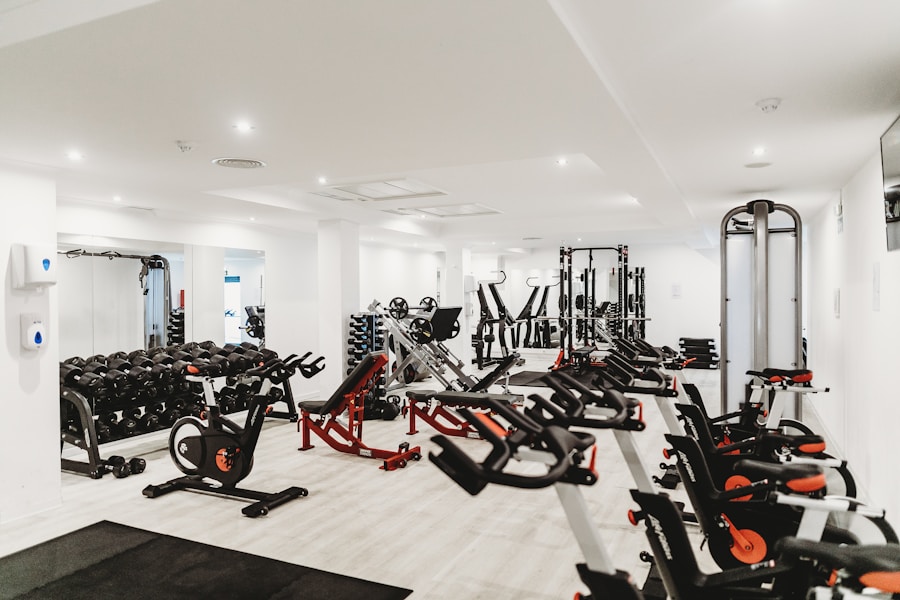
The choice of flooring in your basement gym is critical for both safety and functionality. Common options include rubber flooring, foam tiles, and carpet. Rubber flooring is particularly popular due to its durability and shock-absorbing properties, making it ideal for weightlifting and high-impact exercises.
Foam tiles offer a softer surface that can be beneficial for activities like yoga or Pilates but may not withstand heavy equipment as well as rubber. If you prefer a more traditional look, consider carpet tiles that can provide comfort underfoot while also being easy to replace if damaged. Once you have settled on flooring, the next step is selecting the right equipment for your gym.
The equipment you choose should align with your fitness goals and available space.
It’s also wise to think about versatility; multi-use equipment can save space while still allowing for a variety of workouts.
For example, a power rack can facilitate squats, bench presses, and pull-ups all in one piece of equipment.
Hiring a Professional Contractor
If your basement requires significant renovations to accommodate your gym, hiring a professional contractor may be necessary. A skilled contractor can help transform your vision into reality while ensuring that all work complies with local building codes and regulations. When selecting a contractor, seek recommendations from friends or family who have undertaken similar projects or consult online reviews to find reputable professionals in your area.
It’s essential to interview multiple candidates to gauge their experience and approach to your specific project. During the hiring process, be clear about your expectations and budget constraints. A good contractor will provide a detailed estimate that outlines labor costs, materials needed, and a timeline for completion.
Communication is key; maintain an open dialogue throughout the project to address any concerns or changes that may arise. Additionally, ensure that the contractor is licensed and insured to protect yourself from potential liabilities during construction. By collaborating with a professional, you can navigate the complexities of renovation while achieving a high-quality result that meets your fitness needs.
Dealing with Potential Basement Issues
Basements often come with their own set of challenges that must be addressed before creating a gym space. Common issues include moisture problems, poor lighting, and inadequate ventilation. Moisture can lead to mold growth and damage both the structure of your home and your gym equipment.
To combat this issue, consider installing a dehumidifier or improving drainage around your home’s foundation. Sealing cracks in walls and floors with waterproof sealants can also help prevent moisture intrusion. Another potential concern is the presence of low ceilings or limited natural light in basements.
If ceiling height is an issue, explore options such as lowering the floor or raising the ceiling if feasible. For lighting, consider installing bright LED fixtures that mimic natural daylight to create an inviting atmosphere. Ventilation is crucial for maintaining air quality during workouts; if windows are not an option, consider installing an exhaust fan or air exchange system to improve airflow.
Addressing these potential issues early on will ensure that your basement gym remains a safe and pleasant environment for exercise.
Maximizing Space and Layout
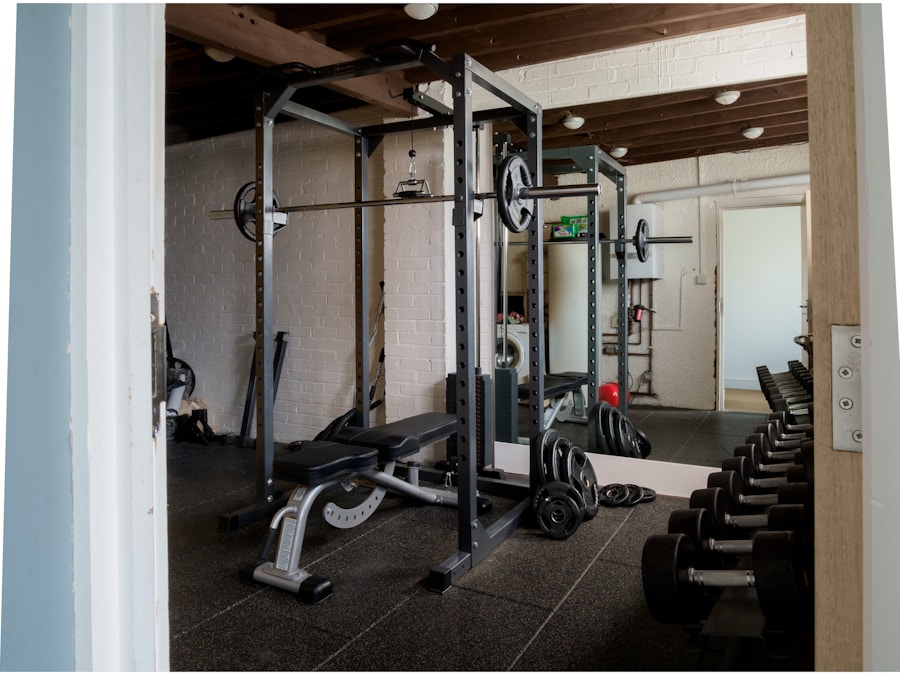
Maximizing space in a basement gym requires thoughtful planning and creativity. Start by considering the flow of movement within the space; ensure there is enough room between equipment for safe usage and easy access.
Additionally, consider using furniture that serves multiple purposes; for example, benches with built-in storage can provide seating while also keeping equipment organized. Another effective strategy for maximizing space is to create designated zones within your gym based on workout types. For instance, allocate one area for cardio machines, another for strength training equipment, and a separate section for stretching or yoga mats.
This zoning approach not only enhances functionality but also helps maintain an organized appearance in your gym. Use visual cues such as different flooring materials or color schemes to delineate these areas further. By carefully planning the layout of your basement gym, you can create an efficient and enjoyable workout environment.
DIY vs Professional Installation
When it comes to setting up your basement gym, one of the key decisions you’ll face is whether to tackle the project yourself or hire professionals for installation. DIY projects can be rewarding and cost-effective if you possess the necessary skills and tools. Simple tasks like painting walls, assembling equipment, or laying down flooring can often be done without professional help.
However, it’s crucial to assess your capabilities honestly; complex tasks such as electrical work or structural modifications should typically be left to licensed contractors. On the other hand, hiring professionals can save time and ensure that everything is done correctly from the start. If you’re planning extensive renovations or need specialized installations—such as soundproofing or advanced lighting systems—enlisting experts may be worth the investment.
They bring experience and knowledge that can help avoid costly mistakes down the line. Ultimately, weigh the pros and cons of each approach based on your budget, timeline, and comfort level with various tasks before making a decision.
Maintaining Your Basement Gym on a Budget
Once your basement gym is up and running, maintaining it on a budget becomes essential for long-term success. Regular upkeep will not only prolong the life of your equipment but also ensure that your workout environment remains inviting and functional. Start by establishing a cleaning routine; dusting surfaces, vacuuming floors, and wiping down equipment after each use will help prevent dirt buildup and maintain hygiene.
In addition to cleaning, consider implementing simple maintenance tasks that can save money over time. For example, regularly checking equipment for wear and tear allows you to address minor issues before they escalate into costly repairs or replacements. Lubricating moving parts on machines like treadmills or exercise bikes can enhance performance and extend their lifespan without requiring professional assistance.
By being proactive about maintenance and adopting cost-effective practices, you can enjoy your basement gym while keeping expenses manageable over time.
If you’re looking for more tips on how to keep your basement remodel on budget in Brooklyn, check out this helpful article on budget renovations and affordable home updates. This article provides valuable insights on cost-effective ways to update your home without breaking the bank. For more information on basement gym installation and other construction projects, visit ESG Builders Ltd blog grid.
FAQs
What are the benefits of installing a gym in the basement?
Installing a gym in the basement allows for convenient and private access to exercise equipment, saving time and money on gym memberships. It also adds value to the home and promotes a healthy lifestyle.
What are some cost-effective flooring options for a basement gym?
Cost-effective flooring options for a basement gym include interlocking rubber tiles, foam tiles, and vinyl plank flooring. These options provide durability, shock absorption, and easy installation.
How can I save money on gym equipment for my basement gym?
To save money on gym equipment, consider purchasing second-hand equipment from online marketplaces, local classifieds, or garage sales. Additionally, look for sales and discounts at fitness equipment stores.
What are some tips for keeping the basement gym installation on budget?
To keep the basement gym installation on budget, plan the layout and design in advance, prioritize essential equipment, and consider DIY options for installation. Researching cost-effective materials and seeking multiple quotes from contractors can also help save money.
Are there any specific building codes or regulations to consider when installing a basement gym in Brooklyn?
It is important to check with local building codes and regulations in Brooklyn before installing a basement gym. This may include requirements for ventilation, electrical wiring, and structural modifications. Consulting with a professional contractor or architect can ensure compliance with regulations.