
When embarking on a gut renovation, homeowners often focus on aesthetic improvements, such as new flooring, cabinetry, and paint. However, one of the most critical aspects that should not be overlooked is the heating, ventilation, and air conditioning (HVAC) system. An efficient HVAC system is essential for maintaining a comfortable indoor environment, especially in regions with extreme weather conditions.
Upgrading the HVAC system during a gut renovation not only enhances comfort but also significantly improves energy efficiency, which can lead to substantial cost savings over time. Moreover, an upgraded HVAC system can increase the overall value of the property. Potential buyers are increasingly looking for homes that offer modern amenities and energy-efficient features.
A state-of-the-art HVAC system can be a major selling point, making the property more attractive in a competitive real estate market. Additionally, with the growing awareness of environmental issues, many buyers are prioritizing homes that utilize sustainable technologies. Therefore, investing in an upgraded HVAC system during a gut renovation is not just about immediate comfort; it is also a strategic move for long-term financial and environmental benefits.
Key Takeaways
- Upgrading HVAC systems during a gut renovation is crucial for energy efficiency and long-term cost savings.
- Assessing the current HVAC system is necessary to identify the specific upgrades needed for optimal performance.
- Choosing energy-efficient HVAC systems can lead to significant long-term savings on energy bills.
- Incorporating smart thermostats and air quality control systems can improve comfort and indoor air quality.
- Proper ventilation and air circulation are essential for maintaining a healthy and comfortable indoor environment.
Assessing the Current HVAC System and Identifying Necessary Upgrades
Inspecting the Current System
This evaluation should include an inspection of all components, including the furnace, air conditioning unit, ductwork, and thermostat. Homeowners should look for signs of wear and tear, such as rust on the furnace or leaks in the ductwork, which can indicate inefficiencies that need to be addressed.
Considering the System’s Age and Home Requirements
Understanding the age of the current system is vital; most HVAC systems have a lifespan of 15 to 20 years. If the system is nearing the end of its life cycle, it may be more cost-effective to replace it entirely rather than invest in repairs. Identifying necessary upgrades also involves considering the specific needs of the home and its occupants.
Customizing the System to Meet Your Needs
For instance, families with young children or elderly members may require enhanced air filtration systems to improve indoor air quality. Similarly, homes located in areas with extreme temperatures may benefit from high-efficiency heating and cooling units that can better handle these conditions. By taking the time to assess the current system and identify necessary upgrades, homeowners can ensure that their new HVAC system will meet their needs effectively and efficiently.
Choosing Energy-Efficient HVAC Systems for Long-Term Savings

When selecting an HVAC system for a gut renovation, energy efficiency should be a top priority. Energy-efficient systems not only reduce utility bills but also have a lower environmental impact. Homeowners should look for systems that have high Seasonal Energy Efficiency Ratio (SEER) ratings for air conditioning units and Annual Fuel Utilization Efficiency (AFUE) ratings for furnaces.
For example, a system with a SEER rating of 16 or higher is considered highly efficient and can save homeowners hundreds of dollars annually on energy costs compared to older models. In addition to traditional HVAC systems, homeowners may also consider alternative options such as heat pumps or geothermal systems. Heat pumps are particularly effective in moderate climates as they can both heat and cool spaces by transferring heat rather than generating it.
Geothermal systems utilize the earth’s stable underground temperature to provide heating and cooling, making them one of the most energy-efficient options available. While the initial investment for these systems may be higher, the long-term savings on energy bills and potential tax incentives make them an attractive choice for many homeowners.
Incorporating Smart Thermostats and Air Quality Control Systems
The integration of smart technology into HVAC systems has revolutionized how homeowners manage their indoor environments. Smart thermostats allow users to control their heating and cooling systems remotely via smartphone apps, enabling them to adjust settings based on their schedules and preferences. This level of control not only enhances comfort but also contributes to energy savings by reducing unnecessary heating or cooling when no one is home.
In addition to smart thermostats, incorporating air quality control systems can significantly improve indoor air quality. These systems can include advanced filtration options that capture allergens, dust, and other pollutants, as well as humidity control features that help maintain optimal moisture levels in the home. For instance, whole-house air purifiers can be integrated into the HVAC system to continuously filter out harmful particles from the air.
By prioritizing both temperature control and air quality during a gut renovation, homeowners can create a healthier living environment that promotes overall well-being.
Ensuring Proper Ventilation and Air Circulation for Health and Comfort
Proper ventilation is essential for maintaining a healthy indoor environment. During a gut renovation, it is crucial to assess how air circulates throughout the home and make necessary adjustments to ensure adequate airflow. Poor ventilation can lead to issues such as mold growth, stale air, and increased humidity levels, all of which can negatively impact health and comfort.
One effective way to enhance ventilation is by installing exhaust fans in areas prone to moisture buildup, such as bathrooms and kitchens. These fans help remove excess humidity and odors, contributing to a fresher indoor atmosphere. Additionally, homeowners should consider incorporating fresh air intake systems that bring in outdoor air while filtering out pollutants.
This approach not only improves air quality but also helps regulate temperature by preventing overheating during warmer months. By ensuring proper ventilation and air circulation during a gut renovation, homeowners can create a more comfortable and healthier living space.
Integrating HVAC Systems with Aging-in-Place Features for Accessibility
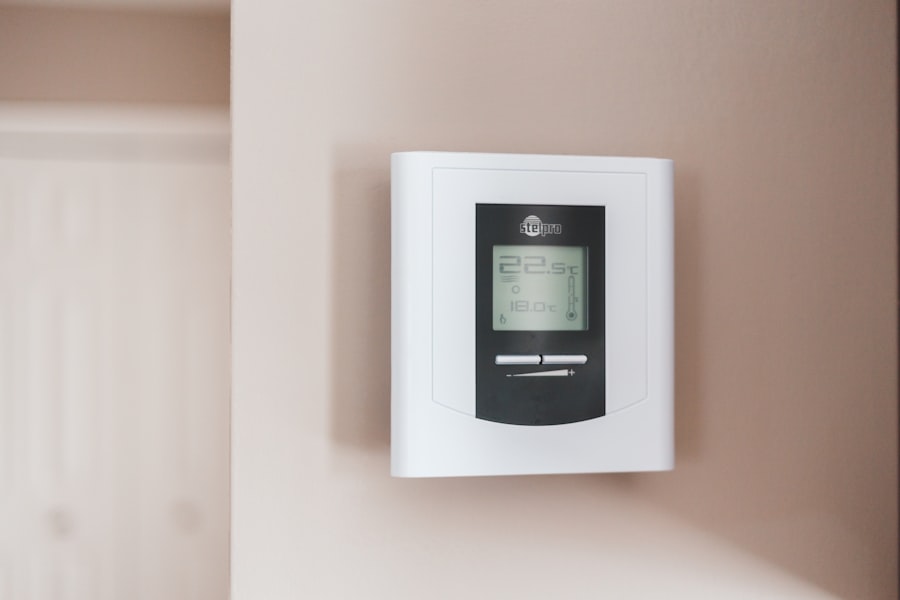
As populations age, many homeowners are considering how to make their living spaces more accessible without sacrificing style or comfort. Integrating HVAC systems with aging-in-place features during a gut renovation can significantly enhance both safety and convenience for older adults or those with mobility challenges. For instance, installing ductless mini-split systems can provide individualized climate control in different areas of the home without requiring extensive ductwork modifications.
Moreover, smart technology plays a vital role in creating accessible environments. Voice-activated thermostats allow individuals with limited mobility to adjust temperature settings without needing to reach for traditional controls. Additionally, ensuring that all HVAC components are easily accessible for maintenance is crucial; this may involve placing filters in locations that are easy to reach or designing spaces that allow for straightforward access to equipment.
By thoughtfully integrating HVAC systems with aging-in-place features during renovations, homeowners can create spaces that are not only functional but also supportive of long-term independence.
Hiring Professional HVAC Contractors for Installation and Maintenance
The complexity of HVAC systems necessitates hiring qualified professionals for installation and maintenance tasks. While some homeowners may consider DIY approaches to save money, improper installation can lead to inefficiencies and costly repairs down the line. Professional HVAC contractors possess the expertise required to assess specific needs accurately and recommend suitable solutions tailored to each home’s unique characteristics.
Additionally, regular maintenance performed by professionals is essential for ensuring optimal performance throughout the lifespan of the HVAC system. This includes routine inspections, cleaning of components, and timely repairs when issues arise. Many contractors offer maintenance plans that provide peace of mind by ensuring that systems are serviced regularly and any potential problems are addressed before they escalate into major issues.
By investing in professional installation and maintenance services during a gut renovation, homeowners can maximize the efficiency and longevity of their HVAC systems.
Budgeting for HVAC Upgrades and Maximizing Return on Investment
Budgeting for HVAC upgrades during a gut renovation requires careful planning and consideration of both immediate costs and long-term savings. Homeowners should begin by obtaining multiple quotes from reputable contractors to understand the range of costs associated with different systems and installation services. It is essential to factor in not only the purchase price of equipment but also installation fees, potential modifications to ductwork or electrical systems, and ongoing maintenance costs.
To maximize return on investment (ROI), homeowners should consider energy-efficient options that qualify for rebates or tax incentives offered by local governments or utility companies. These programs can significantly offset initial costs while promoting sustainable practices. Additionally, investing in high-quality equipment may result in lower energy bills over time, further enhancing ROI.
By approaching budgeting strategically and considering both upfront expenses and long-term benefits, homeowners can make informed decisions that lead to successful HVAC upgrades during their gut renovation projects.
ESG Builders Ltd offers valuable insights on how to make your home more sustainable and energy-efficient. By implementing eco-friendly practices, you can not only reduce your carbon footprint but also save money on utility bills in the long run. Check out their article on Historic Home Basement Renovation: Why Finishing a Basement Is a Smart Move in NYC