
When embarking on a renovation project, the first and most crucial step is establishing a comprehensive budget. This budget should encompass all potential costs associated with the renovation, including materials, labor, permits, and unexpected expenses. A well-structured budget not only provides a financial framework but also helps in prioritizing which aspects of the renovation are most important.
For instance, if a homeowner wishes to remodel a kitchen, they might allocate a larger portion of their budget to high-quality cabinetry and countertops while being more conservative with decorative elements. To create an effective budget, it is essential to conduct thorough research on the average costs associated with various renovation projects. This can involve consulting online resources, speaking with professionals in the industry, or even visiting home improvement stores to get a sense of material prices.
Additionally, homeowners should consider setting aside a contingency fund—typically around 10-20% of the total budget—to cover any unforeseen expenses that may arise during the renovation process. This proactive approach can alleviate stress and financial strain as the project progresses.
Key Takeaways
- Budgeting for renovation costs is essential to avoid overspending and ensure a successful project.
- Hiring a professional contractor can save time and money in the long run by ensuring quality work and adherence to timelines.
- Choosing quality materials may have a higher upfront cost but can lead to long-term savings and a more durable renovation.
- Understanding permit and inspection costs is crucial to avoid delays and unexpected expenses during the renovation process.
- Factoring in labor costs is important for an accurate budget and to ensure fair compensation for the work involved.
Hiring a Professional Contractor
Selecting the right contractor is a pivotal decision that can significantly influence the outcome of a renovation project. A professional contractor brings expertise, experience, and a network of resources that can streamline the renovation process. When searching for a contractor, it is advisable to seek recommendations from friends or family who have recently completed similar projects.
Online reviews and ratings can also provide valuable insights into a contractor’s reliability and quality of work. Once potential contractors have been identified, it is essential to conduct interviews and request detailed estimates. During these discussions, homeowners should inquire about the contractor’s experience with similar projects, their approach to project management, and their timeline for completion.
It is also wise to verify their credentials, including licenses and insurance coverage. A reputable contractor will be transparent about their processes and willing to provide references from previous clients. This due diligence can help ensure that the chosen contractor aligns with the homeowner’s vision and budget.
Choosing Quality Materials
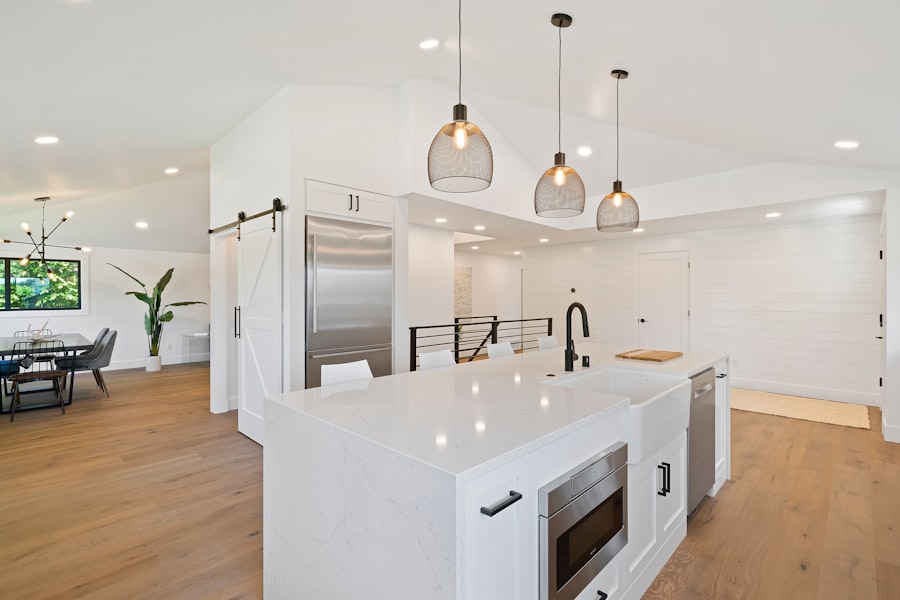
The selection of materials plays a critical role in both the aesthetic appeal and durability of a renovation project. High-quality materials not only enhance the overall look of a space but also contribute to its longevity and functionality. For example, when renovating a bathroom, opting for ceramic tiles over cheaper alternatives can result in a more elegant finish that withstands moisture and wear over time.
Similarly, investing in solid wood cabinetry rather than particleboard can significantly improve both the appearance and lifespan of kitchen storage. Homeowners should also consider the long-term implications of their material choices. While it may be tempting to choose lower-cost options to save money upfront, these decisions can lead to higher maintenance costs or the need for premature replacements.
Researching sustainable materials can also be beneficial; eco-friendly options often provide durability while reducing environmental impact. Engaging with suppliers who specialize in high-quality materials can offer insights into the best choices for specific renovation needs.
Understanding Permit and Inspection Costs
Navigating the world of permits and inspections is an essential aspect of any renovation project that often goes overlooked. Depending on the scope of the renovation, various permits may be required to ensure compliance with local building codes and regulations. For instance, significant structural changes or electrical work typically necessitate permits that must be obtained before commencing work.
Failing to secure these permits can result in fines or even the need to undo completed work. The costs associated with permits can vary widely based on location and project complexity. Homeowners should factor these expenses into their overall budget early in the planning process.
Understanding these requirements not only helps avoid legal complications but also ensures that the renovation is completed to a high standard of quality.
Factoring in Labor Costs
Labor costs are often one of the most significant components of a renovation budget. These costs can vary based on factors such as the complexity of the work, the experience level of the laborers, and regional wage differences. For example, hiring skilled tradespeople such as electricians or plumbers typically incurs higher costs than employing general laborers for simpler tasks.
Homeowners should be prepared for these variations and consider them when estimating their overall renovation expenses. To gain a clearer understanding of labor costs, it is beneficial to obtain multiple quotes from different contractors or subcontractors. This not only provides insight into market rates but also allows homeowners to compare the services offered by each professional.
It is important to remember that while lower labor costs may seem appealing, they can sometimes indicate a lack of experience or quality. Therefore, balancing cost with quality is essential when making decisions about labor for a renovation project.
Considering Customization and Design Elements

Customization and design elements are what truly transform a renovation from ordinary to extraordinary. Homeowners often have specific visions for their spaces, whether it’s an open-concept layout or unique architectural features that reflect their personal style. However, incorporating custom designs can significantly impact the overall cost of a renovation project.
Custom cabinetry, built-in shelving, or bespoke fixtures often come with higher price tags than standard options. When planning for customization, it is crucial to strike a balance between personal preferences and budget constraints. Engaging with an interior designer can provide valuable insights into how to achieve desired aesthetics without overspending.
Designers often have access to resources and materials that may not be readily available to homeowners, allowing for creative solutions that align with both style and budgetary limitations.
Evaluating the Cost of Appliances and Fixtures
The selection of appliances and fixtures is another critical aspect of any renovation project that requires careful consideration. High-quality appliances not only enhance functionality but also contribute to energy efficiency, which can lead to long-term savings on utility bills. For instance, investing in Energy Star-rated appliances may have a higher upfront cost but can result in significant savings over time due to reduced energy consumption.
When budgeting for appliances and fixtures, homeowners should consider both initial costs and long-term value. It is advisable to research various brands and models to find options that fit within budget while still meeting performance expectations. Additionally, exploring sales events or clearance items can yield substantial savings without compromising quality.
Ultimately, selecting appliances and fixtures that align with both aesthetic preferences and practical needs is essential for achieving a successful renovation.
Planning for Unexpected Expenses
No renovation project is immune to unexpected expenses; therefore, planning for these contingencies is vital for maintaining financial stability throughout the process. Common unforeseen costs may arise from hidden structural issues discovered during demolition or changes in project scope due to design adjustments. To mitigate these risks, homeowners should allocate a contingency fund—typically 10-20% of the total budget—to cover these surprises.
In addition to setting aside funds, maintaining open communication with contractors throughout the renovation process can help identify potential issues early on. Regular check-ins allow homeowners to stay informed about progress and any challenges that may arise, enabling them to make timely decisions regarding adjustments or additional expenditures. By proactively addressing unexpected expenses, homeowners can navigate their renovations with greater confidence and less financial strain.
Comparing Quotes from Different Contractors
Obtaining multiple quotes from different contractors is an essential step in ensuring that homeowners receive fair pricing for their renovation projects. Each contractor may have varying approaches to pricing based on their experience level, overhead costs, and business model. By comparing quotes, homeowners can gain insight into market rates while also identifying any discrepancies in services offered.
When reviewing quotes, it is important not only to focus on the bottom line but also to consider what each contractor includes in their proposal. Some contractors may offer comprehensive packages that encompass materials, labor, and even post-renovation support, while others may present lower quotes that exclude critical services or materials. Engaging in discussions with contractors about their proposals can provide clarity on what is included and help homeowners make informed decisions based on value rather than just cost.
Researching Financing Options
Financing options play a crucial role in making renovations financially feasible for many homeowners. Various avenues exist for funding renovation projects, including personal loans, home equity lines of credit (HELOCs), or even government-backed loans for energy-efficient upgrades. Each option comes with its own set of terms and conditions that homeowners should carefully evaluate before making decisions.
Homeowners should begin by assessing their financial situation and determining how much they can afford to borrow without straining their budgets. Consulting with financial advisors or mortgage professionals can provide valuable insights into which financing options align best with individual circumstances. Additionally, exploring grants or incentives for energy-efficient renovations can further alleviate financial burdens while contributing to sustainable home improvements.
Assessing the Return on Investment
Finally, understanding the potential return on investment (ROI) from renovations is essential for homeowners looking to enhance their property value while enjoying improved living spaces. Certain renovations tend to yield higher returns than others; for example, kitchen remodels and bathroom upgrades consistently rank among the top projects for ROI in real estate markets across the country. To assess ROI effectively, homeowners should consider both immediate benefits—such as increased comfort and functionality—and long-term value appreciation when selling their homes.
Engaging with real estate professionals can provide insights into which renovations are most desirable in specific markets and how they may impact property values over time. By strategically planning renovations with ROI in mind, homeowners can make informed decisions that enhance both their living experience and investment potential.
If you are considering renovating your home, you may also be interested in reading about transforming houses into personal sanctuaries. This article provides ideas and solutions for creating a space that truly feels like a retreat from the outside world. Whether you are renovating a kitchen, bathroom, or any other room in your home, this article offers valuable insights on how to make your home a place of peace and relaxation.
FAQs
What are the average costs of renovating a Brooklyn apartment kitchen?
The average cost of renovating a Brooklyn apartment kitchen can range from $15,000 to $30,000, depending on the size of the kitchen, the materials used, and the extent of the renovations.
What are the key cost considerations when renovating a Brooklyn apartment kitchen?
Key cost considerations when renovating a Brooklyn apartment kitchen include labor costs, materials costs, permits and fees, design and planning fees, and any unexpected expenses that may arise during the renovation process.
What are some ways to save money on a kitchen renovation in Brooklyn?
Some ways to save money on a kitchen renovation in Brooklyn include reusing existing cabinets and appliances, choosing cost-effective materials, doing some of the work yourself, and carefully planning the renovation to avoid costly mistakes.
Are there any specific regulations or permits required for kitchen renovations in Brooklyn?
In Brooklyn, kitchen renovations may require permits for electrical, plumbing, and structural work. It is important to check with the local building department to ensure that all necessary permits are obtained before starting the renovation.
How long does a typical kitchen renovation in Brooklyn take?
The timeline for a kitchen renovation in Brooklyn can vary depending on the extent of the renovations, but it typically takes anywhere from 4 to 8 weeks to complete a full kitchen renovation.