
Establishing a realistic budget is the cornerstone of any successful kitchen renovation. Before diving into the myriad of design choices and material selections, it is essential to assess your financial situation comprehensively. This involves not only determining how much you can afford to spend but also considering potential hidden costs that may arise during the renovation process.
For instance, while you may have allocated a specific amount for cabinetry, unforeseen issues such as outdated plumbing or electrical systems could necessitate additional expenditures. Therefore, it is prudent to set aside a contingency fund, typically around 10-20% of your total budget, to accommodate these unexpected expenses. Moreover, a well-defined budget allows you to prioritize your spending effectively.
By categorizing your expenses into essential and non-essential items, you can make informed decisions about where to allocate your resources. For example, if high-quality appliances are a priority for you, you might choose to cut back on decorative elements or opt for more affordable finishes. This strategic approach not only helps in managing costs but also ensures that the final outcome aligns with your vision and functional needs.
Key Takeaways
- Set a realistic budget to avoid overspending on your kitchen renovation project
- Research cost-effective materials and appliances to save money without compromising quality
- Consider DIY options for certain tasks to cut down on labor costs
- Hire a reputable contractor to ensure the job is done right the first time
- Opt for a functional layout to maximize space and efficiency in your kitchen design
Research Cost-Effective Materials and Appliances
When embarking on a kitchen renovation, the selection of materials and appliances can significantly impact your overall budget. Researching cost-effective options is crucial to achieving a balance between quality and affordability. For instance, laminate countertops can provide a stylish appearance at a fraction of the cost of natural stone alternatives like granite or quartz.
Additionally, advancements in manufacturing have led to high-quality laminate options that mimic the look of more expensive materials, allowing homeowners to achieve a sophisticated aesthetic without breaking the bank. In terms of appliances, it is beneficial to explore energy-efficient models that not only save money upfront but also reduce long-term utility costs. Brands often offer sales or discounts on last season’s models, which can provide substantial savings while still delivering excellent performance.
Furthermore, consider purchasing floor models or open-box items from reputable retailers; these options can yield significant discounts while still ensuring that you receive a quality product backed by a warranty.
Consider DIY Options for Certain Tasks

The do-it-yourself (DIY) approach can be an effective way to save money during a kitchen renovation, particularly for tasks that require less technical expertise. Simple projects such as painting cabinets, installing backsplash tiles, or even refinishing existing furniture can be accomplished with some research and effort. Online tutorials and instructional videos provide valuable guidance, making it easier for homeowners to tackle these projects confidently.
For example, painting cabinets can dramatically transform the look of your kitchen without the expense of new cabinetry. However, it is essential to recognize your limitations and know when to call in professionals. While DIY can be rewarding and cost-effective for certain tasks, complex jobs such as electrical work or plumbing should be left to licensed contractors.
Attempting these tasks without proper knowledge can lead to costly mistakes and safety hazards. Therefore, a balanced approach that combines DIY efforts with professional assistance can optimize both your budget and the quality of the renovation.
Hire a Reputable Contractor
Selecting the right contractor is a critical step in ensuring the success of your kitchen renovation. A reputable contractor brings not only expertise but also valuable insights into the renovation process. When searching for potential candidates, it is advisable to seek recommendations from friends or family who have recently completed similar projects.
Online reviews and ratings can also provide insight into a contractor’s reliability and quality of work. Once you have narrowed down your options, conducting interviews with potential contractors is essential. During these discussions, inquire about their experience with kitchen renovations, their approach to project management, and their familiarity with local building codes.
Requesting references from previous clients can also help gauge their professionalism and craftsmanship.
Opt for a Functional Layout
The layout of your kitchen plays a pivotal role in its functionality and overall efficiency. When planning your renovation, consider how you use the space on a daily basis and what changes could enhance your cooking and entertaining experience. The classic work triangle concept—comprising the stove, sink, and refrigerator—remains a fundamental principle in kitchen design.
Ensuring that these three elements are positioned within easy reach of one another can streamline meal preparation and improve workflow. Additionally, incorporating features such as an island or breakfast bar can enhance both functionality and social interaction within the space. An island provides additional counter space for food preparation while also serving as a gathering spot for family and friends.
When designing your layout, think about traffic flow; ensuring that pathways are clear and unobstructed will create a more pleasant environment for cooking and entertaining.
Repurpose and Refurbish Existing Features
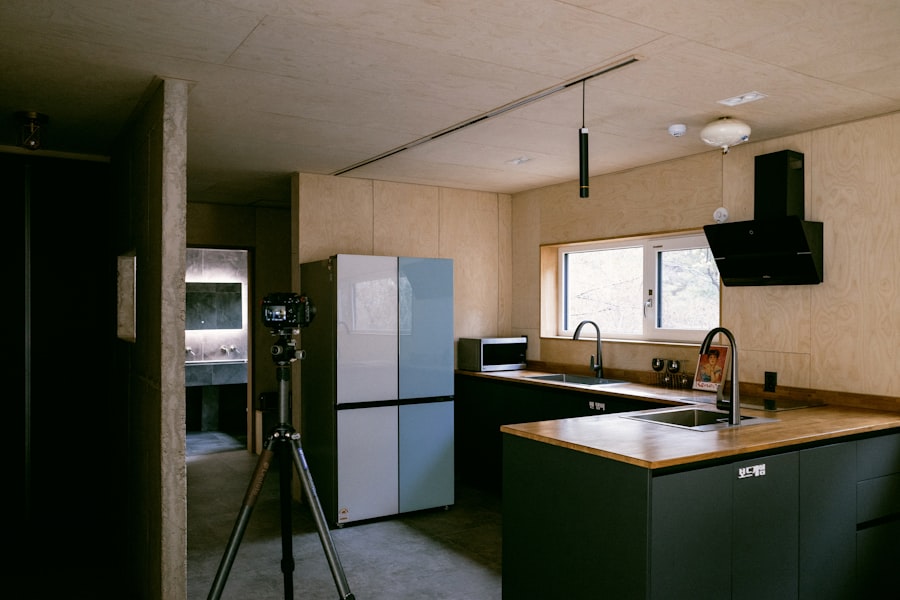
One of the most effective ways to save money during a kitchen renovation is by repurposing or refurbishing existing features rather than replacing them entirely. For instance, if your cabinets are structurally sound but lack visual appeal, consider refinishing them with paint or new hardware instead of purchasing new ones. This approach not only saves money but also adds character to your kitchen by preserving elements that may have sentimental value.
Similarly, if you have an old countertop that is still functional but outdated in appearance, consider resurfacing it with a modern finish or using a decorative overlay. This method can breathe new life into your kitchen without the expense of complete replacement. By creatively reimagining existing features, you can achieve a fresh look while minimizing waste and reducing costs.
Choose Affordable Countertop and Flooring Options
Countertops and flooring are two significant components of any kitchen renovation that can quickly escalate costs if not approached thoughtfully. When selecting countertops, consider materials such as butcher block or concrete, which can offer durability and style at a lower price point compared to high-end stone options. Butcher block countertops provide warmth and character while being relatively easy to maintain; they can also be sanded down and refinished if they become scratched or worn over time.
For flooring, options like vinyl plank or laminate can mimic the appearance of hardwood or tile without the associated costs. These materials are often more resistant to moisture and wear, making them ideal for high-traffic areas like kitchens. Additionally, many manufacturers now offer eco-friendly flooring options made from recycled materials, allowing you to make sustainable choices without compromising on style or budget.
Utilize Natural Lighting and Energy-Efficient Fixtures
Natural lighting plays a crucial role in creating an inviting atmosphere in your kitchen while also reducing energy costs. If possible, consider enlarging windows or adding skylights to maximize natural light during the day. Not only does this enhance the overall aesthetic of the space, but it also creates a more pleasant environment for cooking and entertaining.
In addition to natural light, incorporating energy-efficient fixtures is essential for long-term savings on utility bills. LED lighting options are available in various styles and can significantly reduce energy consumption compared to traditional incandescent bulbs.
Shop for Discounted or Secondhand Kitchen Cabinets
When it comes to cabinetry, shopping for discounted or secondhand options can yield significant savings without sacrificing quality. Many retailers offer clearance sales on last season’s models or display units that are still in excellent condition but available at reduced prices. Additionally, online marketplaces and local thrift stores often feature gently used cabinets that can be refurbished with minimal effort.
If you’re open to customization, consider purchasing stock cabinets from home improvement stores that allow for some degree of personalization through paint or hardware changes. This approach enables you to achieve a unique look while staying within budget constraints. By exploring various avenues for cabinetry procurement, you can find stylish solutions that align with your vision without overspending.
Plan for Long-Term Savings with Energy-Efficient Appliances
Investing in energy-efficient appliances may require a higher upfront cost but can lead to substantial savings over time through reduced energy consumption. Look for appliances with the ENERGY STAR label, which indicates that they meet strict efficiency guidelines set by the U.S. Environmental Protection Agency (EPA). These appliances not only consume less energy but often come with advanced features that enhance performance and convenience. For example, energy-efficient refrigerators use improved insulation and advanced cooling technologies to maintain optimal temperatures while consuming less electricity than older models. Similarly, modern dishwashers are designed to use less water while providing superior cleaning power compared to their predecessors. By prioritizing energy efficiency in your appliance selection, you can enjoy long-term savings while contributing to environmental sustainability.
Avoid Unnecessary Changes to Plumbing and Electrical Layout
One of the most significant factors influencing renovation costs is alterations to plumbing and electrical layouts. Moving sinks or stoves often requires extensive work involving new piping or wiring, which can quickly escalate expenses due to labor costs and materials needed for installation. To keep your budget in check, consider maintaining the existing layout as much as possible while still making necessary updates.
If changes are essential for functionality or design purposes, consult with professionals early in the planning process to understand the implications fully. They can provide insights into potential challenges and help devise solutions that minimize disruption while adhering to local building codes. By carefully evaluating your needs against potential layout changes, you can strike a balance between achieving your desired kitchen design and managing costs effectively.
If you’re looking for more ideas on renovating your home, check out this article on The Best Solutions & Ideas for Renovating Your Home. This article provides helpful tips and inspiration for transforming your living space. Whether you’re looking to update your kitchen or tackle a larger renovation project, these solutions can help guide you in the right direction.
FAQs
What are some expert tips for saving money on a Brooklyn kitchen remodel?
Some expert tips for saving money on a Brooklyn kitchen remodel include setting a budget and sticking to it, prioritizing the most important updates, considering DIY options for certain tasks, and shopping around for the best deals on materials and appliances.
How can I prioritize updates for my Brooklyn kitchen remodel?
To prioritize updates for a Brooklyn kitchen remodel, consider focusing on essential elements such as cabinets, countertops, and flooring. These are the areas that can have the biggest impact on the overall look and functionality of the kitchen.
Are there any DIY options for a Brooklyn kitchen remodel?
Yes, there are several DIY options for a Brooklyn kitchen remodel, including painting cabinets, installing new hardware, and even tackling simple tiling or backsplash projects. However, it’s important to be realistic about your skills and to know when to call in professional help.
How can I find the best deals on materials and appliances for my Brooklyn kitchen remodel?
To find the best deals on materials and appliances for a Brooklyn kitchen remodel, consider shopping at local home improvement stores, looking for sales and clearance items, and comparing prices from multiple vendors. You can also consider buying gently used or refurbished items to save money.
What are some common mistakes to avoid when trying to save money on a Brooklyn kitchen remodel?
Common mistakes to avoid when trying to save money on a Brooklyn kitchen remodel include underestimating the true cost of the project, cutting corners on important elements like plumbing or electrical work, and choosing low-quality materials that may need to be replaced sooner. It’s important to balance cost-saving measures with long-term value and quality.