
Basements often remain underutilized, relegated to storage for forgotten items or seasonal decorations. However, this space holds immense potential that can be unlocked with thoughtful planning and creativity. The first step in recognizing this potential is to assess the current state of your basement.
Consider its size, layout, and existing features such as windows, plumbing, and electrical systems. A well-designed basement can serve multiple purposes, from a cozy family room to a home office or even a guest suite. By envisioning how you want to use the space, you can begin to formulate a plan that maximizes its utility.
Moreover, understanding the potential of your basement also involves recognizing the unique characteristics of your home and neighborhood. For instance, if you live in an area where home offices are increasingly in demand, transforming your basement into a dedicated workspace could not only enhance your living experience but also increase your property’s marketability. Similarly, if your community values recreational spaces, consider converting your basement into a game room or home theater.
By aligning your basement remodel with both personal needs and market trends, you can create a space that is both functional and appealing.
Key Takeaways
- Understand the potential of your basement space by assessing its size, layout, and potential uses.
- Choose the right basement remodeling contractor by researching their experience, credentials, and customer reviews.
- Maximize storage and organization in your basement by utilizing shelves, cabinets, and storage bins.
- Create a functional and inviting living space by incorporating comfortable furniture, proper lighting, and a cohesive design.
- Incorporate natural light and ventilation in your basement by adding windows, light wells, or a ventilation system.
- Select the best materials for basement remodeling by considering durability, moisture resistance, and design aesthetics.
- Add value to your home with a basement remodel by focusing on high-quality finishes, energy efficiency, and additional living space.
- Maintain safety and compliance in basement remodeling by following building codes, obtaining necessary permits, and hiring licensed professionals.
Choosing the Right Basement Remodeling Contractor
Research and Shortlisting
Start by researching potential contractors in your area, looking for those who specialize in basement renovations. Online reviews, testimonials, and portfolios of past work can provide valuable insights into their capabilities and style. It’s also beneficial to seek recommendations from friends or family who have undertaken similar projects.
Conducting Interviews
Once you have a shortlist of candidates, conduct interviews to gauge their communication skills and approach to project management. Ask about their experience with basement projects specifically, as these often come with unique challenges such as moisture control and ceiling height limitations.
Establishing a Good Rapport
A reputable contractor should be willing to provide references and discuss their process in detail, including timelines and budget estimates. Establishing a good rapport with your contractor is essential; you want someone who listens to your ideas and concerns while also offering professional guidance.
Maximizing Storage and Organization in Your Basement

One of the most practical aspects of basement remodeling is enhancing storage and organization. Basements often serve as catch-all spaces where items accumulate over time, leading to clutter and disarray. To combat this, consider incorporating built-in shelving units or cabinets that can be customized to fit your specific needs.
For example, floor-to-ceiling shelves can maximize vertical space while providing ample room for books, seasonal decorations, or hobby supplies. Additionally, using clear bins or labeled boxes can help keep items organized and easily accessible. Another effective strategy for maximizing storage is to create designated zones within the basement.
For instance, you might allocate one area for sports equipment, another for holiday decorations, and a separate section for tools and gardening supplies. This not only streamlines organization but also makes it easier to find what you need when you need it. Furthermore, consider utilizing multifunctional furniture that doubles as storage, such as ottomans with hidden compartments or benches with built-in drawers.
By thoughtfully planning your storage solutions, you can transform your basement into a well-organized space that enhances the overall functionality of your home.
Creating a Functional and Inviting Living Space
Transforming your basement into a functional living space requires careful consideration of layout and design elements that promote comfort and usability. Start by defining the primary purpose of the space—whether it’s a family room, entertainment area, or guest suite—and design around that vision. For example, if you envision a cozy family room, focus on creating an inviting atmosphere with comfortable seating arrangements, warm lighting, and personal touches like artwork or family photos.
Incorporating soft textiles such as rugs and cushions can also enhance the comfort level. In addition to aesthetics, functionality should be at the forefront of your design choices. Consider how the space will be used on a daily basis and ensure that it accommodates those activities seamlessly.
For instance, if you plan to host movie nights, invest in a quality sound system and comfortable seating that encourages relaxation. If the space will serve as a guest suite, ensure there is adequate privacy with soundproofing measures and easy access to a bathroom. By prioritizing both function and comfort in your design, you can create a basement that feels like an integral part of your home rather than an afterthought.
Incorporating Natural Light and Ventilation
Natural light plays a pivotal role in transforming a basement from a dark, dreary space into a bright and inviting environment. While many basements lack sufficient windows, there are creative ways to enhance natural light penetration. If possible, consider enlarging existing windows or adding new ones to increase daylight exposure.
Egress windows not only provide light but also serve as emergency exits, making them a practical addition to any basement remodel. In addition to windows, incorporating light-colored walls and reflective surfaces can help amplify natural light within the space. Light-colored paint or wallpaper can make the room feel more open and airy, while mirrors strategically placed can reflect light around the room.
Ventilation is equally important; proper airflow helps prevent moisture buildup and creates a healthier environment. Installing vents or using dehumidifiers can improve air quality while ensuring that the space remains comfortable year-round.
Selecting the Best Materials for Basement Remodeling
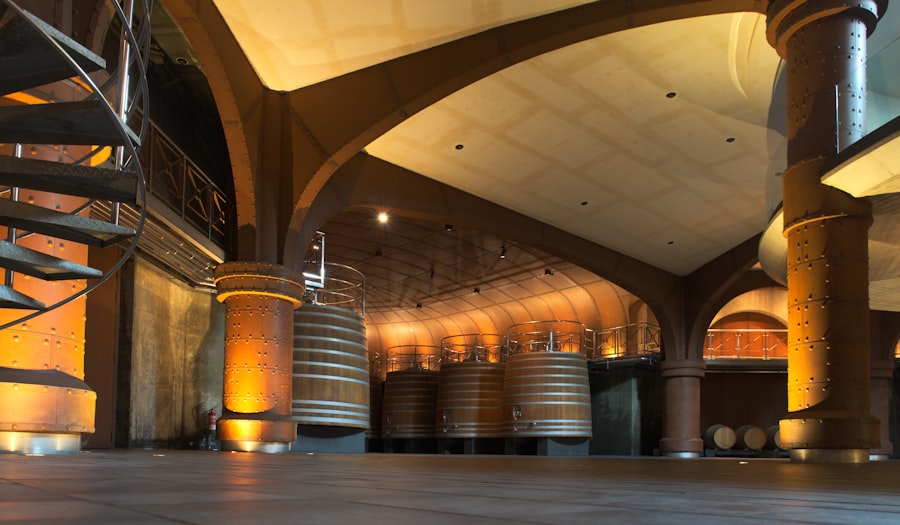
Choosing the right materials for your basement remodel is essential for durability and aesthetics. Given the unique challenges posed by basements—such as moisture exposure—selecting moisture-resistant materials is crucial. For flooring, options like vinyl plank or tile are excellent choices due to their water resistance and ease of maintenance.
Carpeting can also be used but should be treated with moisture-resistant backing to prevent mold growth. When it comes to walls and ceilings, consider using materials that can withstand humidity fluctuations. For instance, fiberglass insulation is preferable over traditional fiberglass batts because it resists moisture better.
Additionally, using drywall specifically designed for basements can help mitigate issues related to dampness. Beyond functionality, aesthetics should not be overlooked; choose finishes that align with your overall design vision while ensuring they are suitable for the basement environment.
Adding Value to Your Home with a Basement Remodel
A well-executed basement remodel can significantly increase the value of your home. Real estate experts often cite finished basements as attractive features for potential buyers, particularly in markets where additional living space is at a premium.
To maximize return on investment (ROI), focus on high-demand features that resonate with buyers. For example, adding a bathroom or kitchenette can elevate the functionality of the space while appealing to families or those looking for rental opportunities.
Ultimately, a thoughtfully designed basement remodel can yield significant financial benefits when it comes time to sell.
Maintaining Safety and Compliance in Basement Remodeling
Safety should always be a top priority during any remodeling project, especially in basements where issues like moisture and structural integrity can pose risks. Before beginning renovations, familiarize yourself with local building codes and regulations that govern basement remodeling projects. These codes often dictate requirements for egress windows, ceiling height, electrical systems, and plumbing installations to ensure safety standards are met.
In addition to compliance with regulations, consider implementing safety features such as smoke detectors and carbon monoxide detectors in your basement remodel. Proper ventilation is also critical; ensuring adequate airflow helps prevent mold growth and maintains air quality. If your basement will include sleeping areas or living spaces, it’s essential to have clear escape routes in case of emergencies.
By prioritizing safety and compliance throughout the remodeling process, you can create a secure environment that enhances both functionality and peace of mind for you and your family.
If you’re looking to maximize the potential of your Brooklyn basement, you may want to consider the importance of choosing the perfect screws or bolts for your remodeling project. This article on Fasteners 101: Choosing the Perfect Screw or Bolt provides valuable information on how to select the right fasteners for your basement renovation. Additionally, you can check out Bathroom Layout Planning Brooklyn: The True Cost of Quality in Brooklyn Remodels