
Brooklyn, one of New York City’s five boroughs, is a vibrant tapestry of cultures, histories, and architectural styles. Known for its iconic landmarks such as the Brooklyn Bridge and Prospect Park, the borough has evolved from a primarily industrial area into a hub of creativity and innovation. Neighborhoods like Williamsburg, DUMBO, and Park Slope have become synonymous with artistic expression, culinary delights, and a dynamic lifestyle that attracts both young professionals and families alike.
The rich history of Brooklyn is reflected in its diverse architecture, ranging from historic brownstones to modern high-rises, each telling a story of the borough’s past and its ongoing transformation. The allure of Brooklyn lies not only in its cultural offerings but also in its sense of community. Each neighborhood possesses its unique character, shaped by the people who inhabit it.
The streets are often alive with the sounds of laughter, music, and the aroma of food from local eateries. As Brooklyn continues to grow, it faces the dual challenge of preserving its historical charm while accommodating the influx of new residents and businesses. This delicate balance creates a dynamic environment where gut renovations have become increasingly popular, allowing homeowners to modernize their spaces while maintaining the essence of the borough’s architectural heritage.
Key Takeaways
- Brooklyn is a diverse and vibrant neighborhood known for its historic brownstones and rich cultural heritage.
- Gut renovations in Brooklyn present both challenges and opportunities for homeowners looking to modernize their living spaces.
- A stunning modern transformation of a Brooklyn brownstone showcases the potential of gut renovations to completely revitalize a space.
- The design and architectural choices made during the renovation played a crucial role in transforming the brownstone into a modern and functional living space.
- The impact of the renovation on the neighborhood and community highlights the potential for revitalizing and adding value to the local area.
The challenges and opportunities of gut renovations in Brooklyn
Navigating the Regulatory Landscape
One of the primary challenges is navigating the complex regulatory landscape that governs construction and renovation in New York City.
This can lead to delays and additional costs if not properly managed.
Creating Dream Spaces
Despite these challenges, gut renovations also offer significant opportunities for homeowners to create their dream spaces tailored to modern living. The chance to reimagine a property allows for innovative design solutions that can enhance functionality and aesthetics. For example, many homeowners opt to open up floor plans to create more spacious living areas or incorporate energy-efficient systems that reduce utility costs.
A Valuable Investment
Additionally, gut renovations can increase property values significantly, making them an attractive investment for those looking to capitalize on Brooklyn’s booming real estate market. The potential for increased equity often outweighs the hurdles faced during the renovation process.
Before and after: A stunning modern transformation in a Brooklyn brownstone
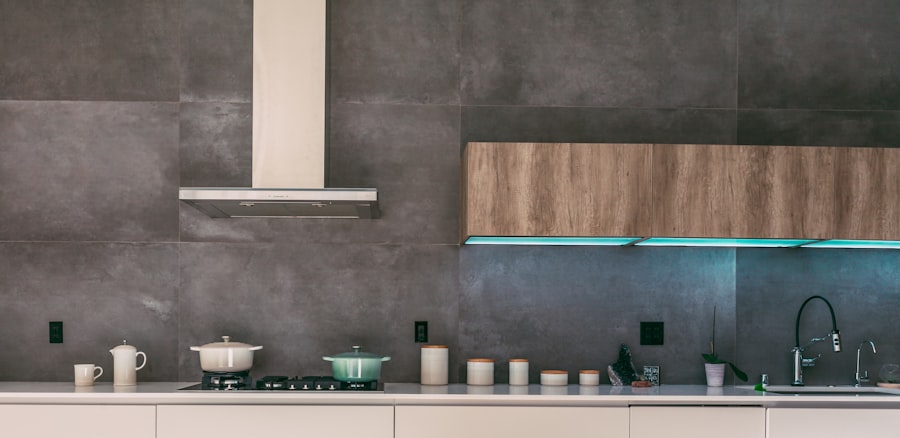
Consider a typical Brooklyn brownstone that has seen better days—a once-grand structure now showing signs of wear and tear. The original woodwork is faded, the layout is cramped, and outdated fixtures dominate the space. This particular brownstone, located in a desirable neighborhood, was purchased by a young couple eager to breathe new life into it.
They envisioned a modern oasis that would honor the building’s historical roots while providing all the comforts of contemporary living. The transformation was nothing short of remarkable. After a comprehensive gut renovation, the brownstone emerged as a stunning blend of old-world charm and modern sophistication.
The once-dark and closed-off rooms were opened up to create an airy, flowing layout that maximized natural light. Original details such as crown moldings and hardwood floors were meticulously restored, while sleek new elements like stainless steel appliances and minimalist fixtures were introduced. The result was a harmonious space that retained its historical character while embracing modern design principles.
The design and architectural choices that transformed the space
The design choices made during the renovation played a crucial role in achieving the desired transformation of the brownstone. One of the most significant decisions was to maintain the integrity of the original architecture while incorporating contemporary elements that would appeal to today’s homeowners. The couple worked closely with an architect who specialized in historic renovations to ensure that every change respected the building’s heritage.
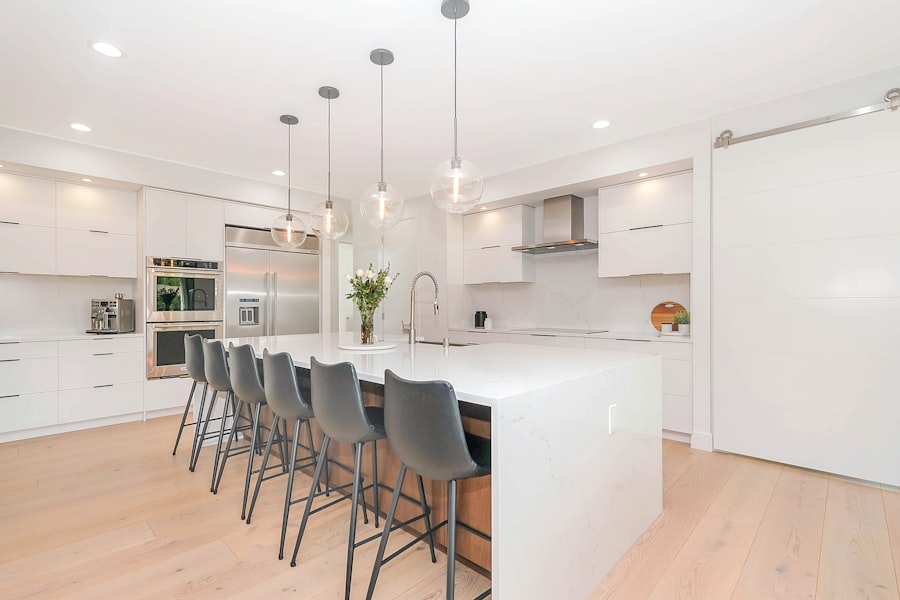
One standout feature of the renovation was the open-concept kitchen and living area. By removing non-load-bearing walls, the couple created a seamless flow between spaces, allowing for both entertaining and everyday living. The kitchen was designed with functionality in mind, featuring an oversized island that serves as both a cooking space and a gathering spot for family and friends.
High-end finishes such as quartz countertops and custom cabinetry added a touch of luxury without overshadowing the home’s historical features. In addition to layout changes, careful attention was paid to lighting design throughout the home. Recessed lighting was installed to provide ambient illumination without detracting from the architectural details.
Statement light fixtures were chosen for key areas, such as a striking chandelier in the dining room that serves as a focal point while complementing the room’s overall aesthetic. These thoughtful design choices not only enhanced the beauty of the space but also improved its functionality.
The impact of the renovation on the neighborhood and community
The gut renovation of this brownstone had far-reaching effects beyond just transforming an individual property; it contributed positively to the surrounding neighborhood as well. As more homeowners invest in renovations, they often inspire others in the community to follow suit, leading to an overall uplift in property values and neighborhood pride. This ripple effect can be seen throughout many areas of Brooklyn where renovated homes stand alongside well-preserved historic buildings, creating a visually appealing streetscape.
Moreover, renovated properties often attract new residents who bring fresh energy and ideas to the community. In this case, the couple who renovated their brownstone became active participants in local events and initiatives, fostering connections with their neighbors. Their commitment to enhancing their home extended beyond its walls; they engaged with local businesses and supported community projects aimed at improving public spaces.
This sense of community involvement is vital in maintaining Brooklyn’s unique character amidst rapid development.
The cost and timeline of the gut renovation
Understanding the financial implications of a gut renovation is essential for any homeowner considering such a project in Brooklyn. The costs can vary significantly based on factors such as the size of the property, the extent of renovations required, and the quality of materials chosen. On average, homeowners can expect to spend anywhere from $100 to $300 per square foot for a gut renovation in Brooklyn, depending on these variables.
In this particular case, the couple budgeted approximately $300,000 for their renovation project. This included costs for labor, materials, permits, and design fees. They also set aside an additional 10% contingency fund to account for any unexpected expenses that might arise during construction—a wise decision given that renovations often uncover hidden issues within older buildings.
The timeline for completing a gut renovation can also be unpredictable. While some projects may take as little as three months, others can extend beyond six months or even longer if complications arise or if extensive structural work is needed. For this brownstone renovation, the couple anticipated a six-month timeline but ultimately completed their project in eight months due to unforeseen delays related to permit approvals and supply chain issues exacerbated by broader market conditions.
Lessons learned and tips for successful gut renovations in Brooklyn
Embarking on a gut renovation can be both exhilarating and daunting; however, there are several lessons learned from this couple’s experience that can serve as valuable guidance for others considering similar projects in Brooklyn. First and foremost is the importance of thorough planning and research before diving into renovations. Understanding local regulations, zoning laws, and historical preservation guidelines can save homeowners time and money down the line.
Another critical lesson is to prioritize communication with contractors and designers throughout the process. Regular check-ins can help ensure that everyone is on the same page regarding timelines, budgets, and design choices. Establishing clear expectations from the outset can mitigate misunderstandings that may lead to costly delays or changes later on.
Homeowners should also be prepared for unexpected challenges during renovations—whether it’s discovering structural issues or delays in material deliveries—and remain flexible in their approach. Embracing adaptability can help alleviate stress when things don’t go according to plan. Finally, investing in quality materials and craftsmanship pays off in both aesthetics and longevity.
While it may be tempting to cut corners to save costs initially, choosing durable materials will ultimately lead to greater satisfaction with the finished product over time.
The lasting impact of a modern gut renovation in Brooklyn
The gut renovation of this Brooklyn brownstone exemplifies how thoughtful design choices can breathe new life into historic properties while enhancing community dynamics. By balancing modern needs with respect for architectural heritage, homeowners can create spaces that not only serve their families but also contribute positively to their neighborhoods. As Brooklyn continues to evolve, gut renovations will remain an integral part of its narrative—transforming aging structures into vibrant homes that reflect contemporary lifestyles while honoring their pasts.
The impact extends beyond individual properties; it fosters community engagement and revitalizes neighborhoods, ensuring that Brooklyn remains a dynamic place where history meets innovation for generations to come.
If you enjoyed reading about the stunning modern gut renovation in Brooklyn, you may also be interested in learning about efficient strategies to maximize your space. This article provides helpful tips and tricks for making the most out of your living area. Whether you’re looking to renovate your home or simply want to optimize your current space, these strategies can help you achieve a stylish and functional design.
FAQs
What is a gut renovation?
A gut renovation involves completely stripping a building down to its structural elements and rebuilding it from scratch. This typically includes replacing all major systems such as plumbing, electrical, and HVAC, as well as updating the layout and design of the space.
What are the benefits of a modern gut renovation?
A modern gut renovation can transform an outdated or dilapidated space into a stylish, functional, and energy-efficient environment. It allows for the incorporation of contemporary design elements, improved functionality, and the integration of modern technology and sustainable materials.
What are some common features of a modern gut renovation?
Common features of a modern gut renovation may include open floor plans, sleek and minimalist design, energy-efficient appliances and fixtures, smart home technology, sustainable materials, and ample natural light.
What are some considerations before undertaking a gut renovation?
Before undertaking a gut renovation, it’s important to consider the scope of the project, budget, timeline, necessary permits and approvals, hiring a reputable contractor, and the overall vision for the space. It’s also important to consider the potential impact on neighboring properties and the surrounding community.
What are some challenges associated with a gut renovation?
Challenges associated with a gut renovation may include unexpected structural issues, budget overruns, delays in construction, and the need to adhere to local building codes and regulations. Additionally, coordinating the various trades and suppliers involved in the project can be a complex task.