
The kitchen is often regarded as the heart of the home, a space where families gather, meals are prepared, and memories are created. In Brooklyn, where the blend of historic charm and modern living creates a unique backdrop, kitchen remodels have become increasingly popular. Homeowners are not just looking to update their kitchens for aesthetic reasons; they are also seeking to enhance functionality and increase property value.
The diverse architectural styles found throughout Brooklyn—from brownstones to lofts—offer a canvas for creative renovations that reflect personal tastes while respecting the neighborhood’s character. As the demand for kitchen remodels rises, so does the complexity of the projects. Homeowners must navigate a myriad of decisions, from selecting materials to choosing layouts that maximize space.
The process can be overwhelming, especially in a city known for its high cost of living. Understanding the intricacies of a kitchen remodel in Brooklyn is essential for anyone considering this significant investment. This article will delve into various aspects of kitchen remodels, providing insights into costs, materials, and strategies for achieving a successful renovation.
Key Takeaways
- Kitchen remodels in Brooklyn are a popular way to update and add value to homes in the area.
- Understanding the scope of a kitchen remodel is essential for planning and budgeting.
- The cost of materials for kitchen remodels can vary widely depending on the quality and type of materials chosen.
- Factors such as material quality, size of the kitchen, and labor costs can impact material costs.
- Cabinets and countertops are a major expense in kitchen remodels and should be carefully considered in the budgeting process.
- Flooring and backsplash options can also significantly impact the overall cost of a kitchen remodel.
- When it comes to appliances, homeowners can choose between high-end and budget-friendly options, each with its own cost implications.
- Plumbing and electrical materials are essential components of a kitchen remodel and should be factored into the budget.
- Lighting fixtures and hardware are important finishing touches that can add to the overall cost of the remodel.
- Hidden costs such as permits, disposal fees, and unexpected structural issues should be considered when budgeting for a kitchen remodel.
- Tips for saving on material costs include shopping around for deals, considering alternative materials, and planning the project carefully to avoid costly mistakes.
Understanding the Scope of a Kitchen Remodel
A kitchen remodel can range from a simple facelift to a complete overhaul, and understanding the scope of the project is crucial for effective planning. Homeowners must first determine their goals: Are they looking to modernize an outdated space, improve functionality, or create an open-concept layout? Each of these objectives will influence the extent of the remodel and the associated costs.
For instance, a cosmetic update may involve painting cabinets and replacing hardware, while a full remodel could entail structural changes, plumbing adjustments, and electrical work. In Brooklyn, where space is often at a premium, many homeowners opt for open-concept designs that integrate the kitchen with adjacent living areas. This approach not only enhances the flow of natural light but also fosters social interaction.
However, such transformations require careful consideration of load-bearing walls and may necessitate hiring structural engineers or architects. Understanding the scope of a kitchen remodel also involves recognizing the timeline; projects can take anywhere from a few weeks to several months, depending on their complexity and the availability of materials and labor.
The Cost of Materials for Kitchen Remodels
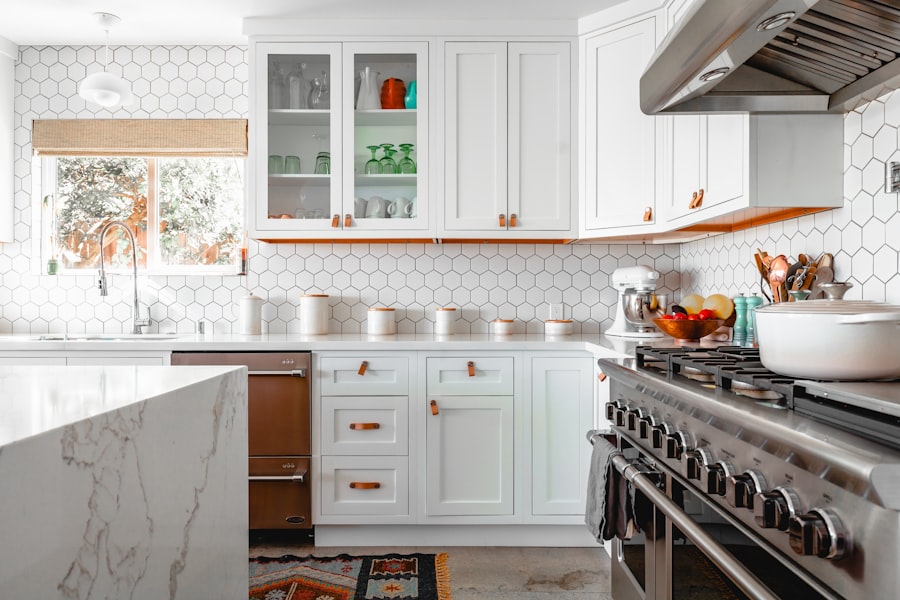
One of the most significant factors influencing the overall budget for a kitchen remodel is the cost of materials. In Brooklyn, where prices can vary widely based on quality and availability, homeowners must conduct thorough research to make informed decisions. The cost of materials can account for 30% to 50% of the total remodel budget, making it essential to prioritize spending on high-impact areas such as cabinets, countertops, and flooring.
When budgeting for materials, it is important to consider both aesthetic preferences and durability. For example, while granite countertops may offer a luxurious appearance, quartz or laminate options can provide similar visual appeal at a lower price point. Additionally, sourcing materials locally can help reduce costs associated with shipping and delivery.
Homeowners should also be aware that prices fluctuate based on market trends; staying informed about current pricing can lead to significant savings.
Factors That Impact Material Costs
Several factors contribute to the fluctuating costs of materials in Brooklyn’s kitchen remodel market. One primary consideration is the type of material selected; natural stones like marble and granite tend to be more expensive than engineered options like quartz or solid surface materials. Additionally, the sourcing of materials plays a crucial role; locally sourced products may be more affordable than imported ones due to reduced transportation costs.
Another factor influencing material costs is market demand. In recent years, there has been a surge in demand for sustainable and eco-friendly materials, which can sometimes come with a higher price tag. Homeowners interested in incorporating green building practices into their remodel should be prepared for potential increases in material costs but may find long-term savings through energy efficiency and durability.
Seasonal trends can also affect pricing; for instance, purchasing materials during off-peak seasons may yield better deals than during peak renovation times.
Cabinets and Countertops: A Major Expense
Cabinets and countertops are often the most significant expenses in a kitchen remodel, accounting for a substantial portion of the overall budget. Custom cabinetry can elevate the design and functionality of a kitchen but comes at a premium price. Homeowners must weigh the benefits of custom versus stock cabinets; while custom options allow for personalized designs and optimal use of space, stock cabinets offer affordability and quicker installation.
Countertops also represent a major investment in any kitchen remodel. The choice between natural stone, engineered surfaces, or laminate can dramatically impact both aesthetics and budget. For example, while granite offers timeless beauty and durability, it requires regular sealing to maintain its appearance.
On the other hand, quartz countertops provide a non-porous surface that is easier to maintain but may come with a higher upfront cost. Homeowners should consider their lifestyle and cooking habits when selecting materials for cabinets and countertops to ensure they meet both functional needs and aesthetic desires.
Flooring and Backsplash Options

Flooring choices in a kitchen remodel are critical not only for style but also for practicality. In Brooklyn’s diverse housing landscape, homeowners have access to various flooring options ranging from hardwood to tile and vinyl. Hardwood floors provide warmth and elegance but may require more maintenance in high-traffic areas.
Conversely, tile flooring offers durability and water resistance, making it an excellent choice for kitchens prone to spills. The backsplash is another area where homeowners can express their creativity while enhancing functionality. From classic subway tiles to intricate mosaics, backsplash options are virtually limitless.
The choice of material—ceramic, glass, or natural stone—can significantly affect both cost and maintenance requirements. A well-chosen backsplash not only protects walls from splashes but also serves as a focal point that ties together the overall design theme of the kitchen.
When it comes to appliances, homeowners face a critical decision between high-end models and budget-friendly options. High-end appliances often come with advanced features such as smart technology, energy efficiency ratings, and superior performance capabilities. Brands like Sub-Zero or Wolf are synonymous with luxury kitchens but can significantly inflate the overall remodel budget.
On the other hand, budget-friendly appliances from brands like Whirlpool or GE can still offer reliable performance without breaking the bank. Homeowners should assess their cooking habits and lifestyle needs when selecting appliances; those who cook frequently may benefit from investing in higher-quality models that offer durability and advanced features. Additionally, considering energy-efficient appliances can lead to long-term savings on utility bills while contributing to environmental sustainability.
Plumbing and Electrical Materials
Plumbing and electrical work are often necessary components of a kitchen remodel that can significantly impact both costs and timelines.
Homeowners should consider investing in high-quality fixtures that not only enhance the kitchen’s appearance but also offer durability against wear and tear.
Electrical upgrades are equally important in modern kitchens where lighting plays a crucial role in both ambiance and functionality. Installing new outlets or upgrading existing wiring may be necessary to accommodate new appliances or lighting fixtures. Homeowners should work closely with licensed electricians to ensure that all electrical work meets local codes and safety standards.
While these upgrades may add to initial costs, they are essential for creating a safe and efficient kitchen environment.
Lighting Fixtures and Hardware
Lighting fixtures are an often-overlooked aspect of kitchen remodels that can dramatically influence both functionality and ambiance. A well-designed lighting plan incorporates multiple layers of light—ambient, task, and accent—to create a versatile space suitable for cooking, dining, and entertaining. Pendant lights over an island or dining area can serve as focal points while providing necessary illumination for tasks.
In addition to lighting fixtures, hardware such as cabinet handles and drawer pulls play an essential role in completing the overall design aesthetic of the kitchen. Choosing hardware that complements the style of cabinets and countertops can enhance visual cohesion throughout the space. Homeowners should consider finishes such as brushed nickel or matte black to achieve contemporary looks or opt for antique brass for a more traditional feel.
Hidden Costs to Consider
While homeowners often focus on visible expenses during a kitchen remodel, hidden costs can quickly add up if not accounted for in advance. One common hidden cost is related to unforeseen structural issues that may arise during demolition or renovation phases; outdated plumbing or electrical systems may require upgrades that were not initially anticipated. Additionally, permits and inspections are often necessary components of kitchen remodels that can incur additional fees.
In Brooklyn, where building codes are strictly enforced, homeowners must ensure compliance with local regulations to avoid fines or delays in project completion. It is prudent to allocate a contingency budget—typically around 10% to 20% of the total project cost—to cover these unexpected expenses.
Tips for Saving on Material Costs
Homeowners looking to save on material costs during their kitchen remodel can employ several strategies without sacrificing quality or aesthetics. One effective approach is to shop around for materials; visiting multiple suppliers or exploring online marketplaces can yield better pricing options than settling on the first choice encountered.
For instance, laminate countertops can replicate the look of granite or quartz without incurring significant costs. Additionally, opting for semi-custom cabinetry instead of fully custom options allows homeowners to achieve personalized designs while benefiting from reduced pricing. Finally, timing purchases strategically can lead to substantial savings; many suppliers offer discounts during off-peak seasons or holiday sales events.
By planning ahead and being flexible with material choices, homeowners can achieve their dream kitchen while staying within budget constraints.
If you are considering a kitchen remodel in Brooklyn, you may also be interested in reading about how to expand your space for a modern feel. ESG Builders Ltd offers efficient strategies to maximize your space, which can be helpful when planning your renovation project. For more information on how to get started, you can request a quote from ESG Builders Ltd here.
FAQs
What are the typical material costs for a kitchen remodel in Brooklyn?
The typical material costs for a kitchen remodel in Brooklyn can vary widely depending on the size of the kitchen, the quality of materials chosen, and the specific design choices. On average, homeowners can expect to spend between $10,000 and $50,000 on materials for a kitchen remodel in Brooklyn.
What are some of the key materials that contribute to the cost of a kitchen remodel in Brooklyn?
Key materials that contribute to the cost of a kitchen remodel in Brooklyn include cabinets, countertops, flooring, backsplashes, appliances, lighting fixtures, and plumbing fixtures. Each of these materials comes in a wide range of price points, which can significantly impact the overall cost of the project.
How can homeowners save money on materials for a kitchen remodel in Brooklyn?
Homeowners can save money on materials for a kitchen remodel in Brooklyn by carefully researching and comparing prices from different suppliers, considering alternative materials that offer a similar look for a lower cost, and taking advantage of sales and promotions. Additionally, working with a professional designer or contractor can help homeowners make informed decisions that maximize their budget.
Are there any specific considerations for material costs in Brooklyn compared to other areas?
In Brooklyn, material costs for kitchen remodels may be higher than in other areas due to factors such as higher demand for certain materials, higher labor costs, and the need to comply with local building codes and regulations. Homeowners should be prepared for these potential cost differences when budgeting for a kitchen remodel in Brooklyn.