
When it comes to kitchen islands, size matters significantly. The dimensions of your island should be carefully considered to ensure it complements the overall layout of your kitchen while maximizing functionality. A well-proportioned island can serve as a central hub for cooking, dining, and socializing, but an oversized island can overwhelm a small kitchen, making it feel cramped and uninviting.
Conversely, a too-small island may not provide the necessary workspace or storage, leaving you frustrated during meal prep or entertaining. To determine the ideal size for your kitchen island, start by measuring the available space.
This space is crucial for maintaining a comfortable flow in the kitchen, especially when multiple people are working simultaneously. Additionally, consider the dimensions of your existing kitchen elements, such as countertops and cabinetry, to ensure that your island harmonizes with the overall design. For instance, if you have a galley kitchen, a narrow island may be more appropriate, while a larger, open-concept space can accommodate a more expansive design.
Key Takeaways
- Choose the right size island to maximize space in your kitchen
- Incorporate storage and seating for a functional kitchen island design
- Select materials and finishes that suit your customization preferences
- Enhance your kitchen island with task and ambient lighting solutions
- Choose the perfect countertop to create a focal point in your kitchen
Functional Design: Incorporating Storage and Seating into Your Kitchen Island
Optimizing Storage
When designing your island, consider incorporating storage solutions beneath the countertop. This can include cabinets or drawers to store pots, pans, utensils, or small appliances like mixers and blenders. This not only keeps your kitchen organized but also frees up valuable counter space for cooking and serving.
Incorporating Seating
Seating is another crucial aspect of a functional kitchen island. You can opt for bar stools or counter-height chairs that allow for casual dining or socializing, depending on the size of your island and kitchen. If space permits, consider creating an overhang on one side of the island to accommodate seating without obstructing the work area.
Creating a Social Hub
This design encourages interaction between the cook and guests, making it an ideal spot for family meals or entertaining friends. Additionally, incorporating built-in seating can create a cozy nook that invites people to linger in the kitchen.
Customization Options: Selecting the Right Materials and Finishes for Your Island
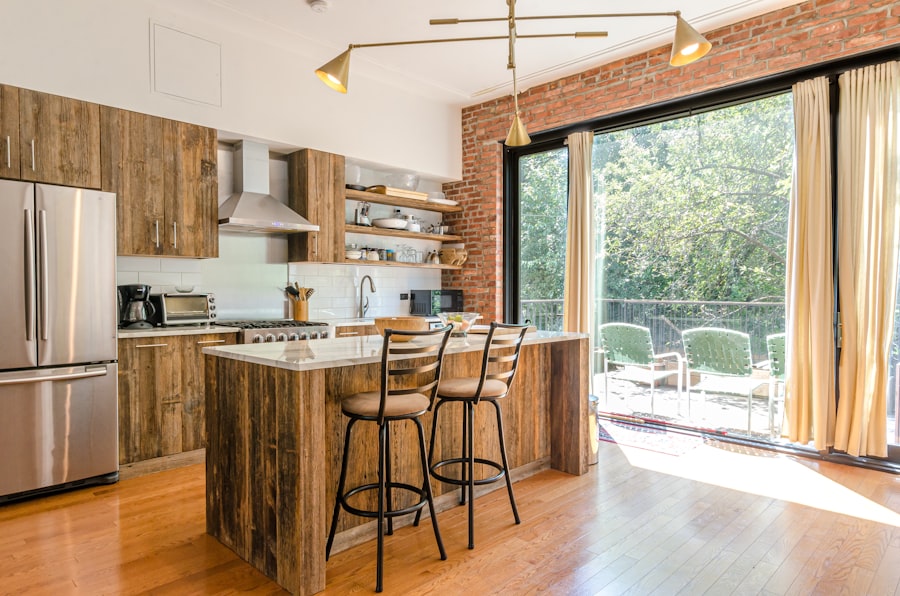
The materials and finishes you choose for your kitchen island play a significant role in its overall aesthetic and durability. From countertops to cabinetry, there are countless options available that can reflect your personal style while ensuring practicality. For instance, natural stone countertops like granite or quartz offer both beauty and resilience against heat and scratches, making them ideal for busy kitchens.
Alternatively, butcher block countertops provide a warm, rustic feel and are perfect for those who enjoy cooking and need a surface for chopping and prepping ingredients. In addition to countertops, consider the cabinetry and hardware that will complement your island’s design. You might choose painted wood for a classic look or opt for sleek metal finishes for a more contemporary vibe.
Custom cabinetry allows you to tailor the storage solutions to your specific needs, whether that means incorporating pull-out shelves for easy access or deep drawers for larger items. The finish of your cabinetry can also impact the overall feel of your kitchen; glossy finishes can create a modern look, while matte finishes lend a more traditional touch.
Lighting Solutions: Enhancing Your Kitchen Island with Task and Ambient Lighting
Lighting is a crucial element in any kitchen design, particularly when it comes to illuminating your island.
Task lighting is essential for areas where food preparation occurs; pendant lights hung above the island can provide focused illumination while also serving as a stylish design feature.
When selecting pendant lights, consider their height and placement to ensure they do not obstruct sightlines or create shadows on the workspace. In addition to task lighting, ambient lighting can help create a warm and inviting atmosphere in your kitchen. Recessed lighting in the ceiling can provide general illumination throughout the space, while under-cabinet lighting can highlight your countertops and add depth to your design.
Combining different types of lighting allows you to adjust the mood of your kitchen depending on the occasion—whether you’re hosting a dinner party or enjoying a quiet evening at home.
Creating a Focal Point: Choosing the Perfect Countertop for Your Kitchen Island
The countertop of your kitchen island often serves as its focal point, drawing attention and setting the tone for the entire space. Selecting the right material and color is essential in achieving this effect. For instance, a bold-colored quartz countertop can make a striking statement against neutral cabinetry, while a classic white marble surface exudes elegance and sophistication.
The choice of countertop material should not only reflect your aesthetic preferences but also align with your lifestyle needs—durability and maintenance requirements are key considerations. In addition to color and material, consider the edge profile of your countertop as it can significantly impact its visual appeal. A simple straight edge may lend a modern touch, while a more intricate beveled or rounded edge can add character and softness to the design.
Furthermore, incorporating unique features such as integrated sinks or cutting boards can enhance both functionality and style, making your kitchen island an eye-catching centerpiece that invites creativity in cooking and entertaining.
Seamless Integration: Incorporating Appliances and Fixtures into Your Island Design
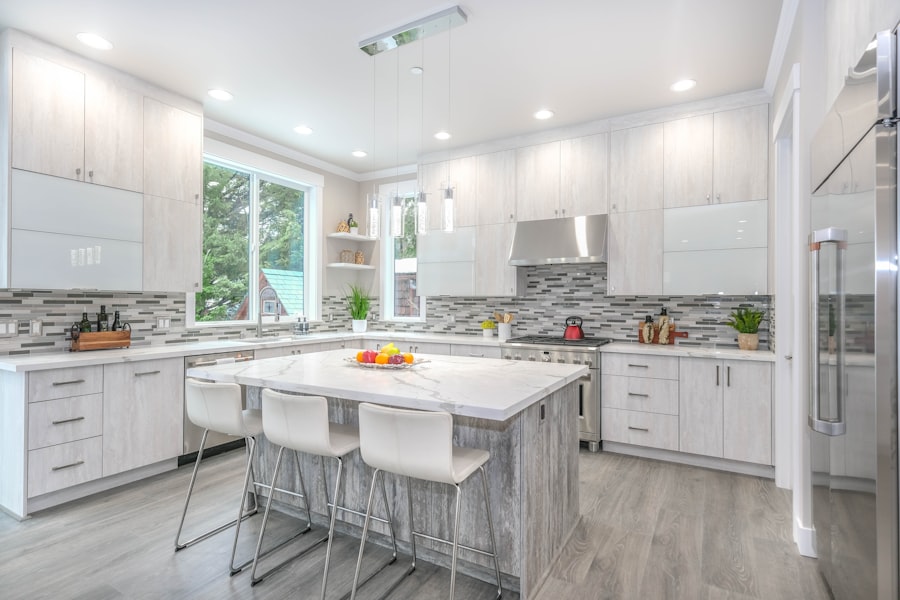
Incorporating appliances into your kitchen island design can enhance its functionality while maintaining an organized appearance. Many homeowners opt for built-in appliances such as microwaves or wine coolers within their islands to save space and streamline their kitchen layout. This integration allows for easy access to essential appliances without cluttering countertops or sacrificing valuable storage space elsewhere in the kitchen.
When planning for appliance integration, consider how these elements will affect workflow in your kitchen. For example, placing a cooktop on the island allows for easy interaction with guests while cooking, while an under-counter refrigerator can keep beverages close at hand during gatherings. Additionally, ensure that there are adequate electrical outlets available for any appliances you plan to incorporate; this will prevent unsightly cords from detracting from your island’s design.
Open Concept Living: Using Your Kitchen Island to Define and Connect Spaces
In modern homes with open-concept layouts, kitchen islands serve as versatile elements that help define different areas while maintaining an open flow between spaces. An island can act as a visual barrier between the kitchen and living or dining areas without completely closing off these spaces from one another. By selecting complementary materials and colors for your island that echo elements found in adjacent rooms, you can create a cohesive design that ties everything together.
Moreover, an island can facilitate social interaction by providing a gathering spot where family members or guests can congregate while meals are being prepared or enjoyed. This connection fosters a sense of togetherness that is often sought after in open-concept living environments. By thoughtfully designing your kitchen island with both function and aesthetics in mind, you can enhance the overall experience of your home.
Multi-Purpose Use: Transforming Your Island into a Cooking, Dining, and Entertaining Hub
The versatility of a kitchen island makes it an ideal candidate for multi-purpose use within your home. Beyond serving as a workspace for meal preparation, an island can easily transition into a dining area or an entertaining hub with thoughtful design choices. For instance, incorporating seating along one side of the island allows it to function as an informal dining space where family members can enjoy breakfast or casual meals together.
Additionally, consider integrating features that enhance its role as an entertaining space. Built-in wine racks or beverage coolers can keep drinks readily available during gatherings, while ample counter space provides room for serving platters or appetizers. By designing your island with these multi-functional elements in mind, you create an inviting atmosphere that encourages social interaction and makes hosting events effortless.
Adding Personality: Incorporating Unique Design Elements and Accents into Your Island
Your kitchen island is an opportunity to showcase your personal style and add character to your home. Unique design elements such as decorative legs or custom cabinetry can elevate the appearance of your island beyond standard designs. Consider incorporating open shelving to display beautiful dishware or cookbooks that reflect your culinary interests; this not only adds visual interest but also makes items easily accessible during cooking.
Another way to infuse personality into your island is through color choices and finishes. Bold paint colors or patterned tiles can create eye-catching accents that draw attention to this central feature in your kitchen. Additionally, incorporating textures such as reclaimed wood or metal accents can add depth and warmth to the overall design.
By thoughtfully selecting these unique elements, you create an island that is not only functional but also serves as a true reflection of your individual taste.
Budget-Friendly Options: Exploring Cost-Effective Island Installation Ideas for Brooklyn Homes
Designing a beautiful kitchen island doesn’t have to break the bank; there are numerous budget-friendly options available that still deliver style and functionality. One cost-effective approach is to repurpose existing materials from other areas of your home—such as using reclaimed wood for the countertop or cabinetry—to create a unique look without incurring high costs associated with new materials. Another option is to consider modular islands that offer flexibility in design without requiring extensive renovations.
These pre-fabricated units often come with built-in storage solutions and seating options at lower price points than custom-built islands. Additionally, shopping at local thrift stores or online marketplaces can yield hidden gems that can be refurbished or updated with minimal investment while adding character to your space.
Professional Installation: Finding the Right Contractor for Your Kitchen Island Project
Once you’ve finalized your design plans for your kitchen island, finding the right contractor is crucial to ensuring a successful installation process. Start by researching local contractors who specialize in kitchen renovations; look for reviews and testimonials from previous clients to gauge their expertise and reliability. It’s essential to choose someone who understands your vision and has experience working with similar projects.
During consultations with potential contractors, discuss your design ideas in detail and ask about their approach to installation timelines and budgets. A good contractor will provide clear communication throughout the process and offer suggestions based on their experience while respecting your preferences. By selecting the right professional for your project, you can transform your vision into reality with confidence and ease.
If you’re looking to bring your kitchen together with a stylish island installation, you may also be interested in checking out ESG Builders Ltd’s article on modern upgrades and the latest home trends. This article discusses how incorporating modern elements into your home can enhance its overall aesthetic and functionality. To read more about this topic, visit here.
FAQs
What are the benefits of installing a kitchen island in a Brooklyn home?
Installing a kitchen island in a Brooklyn home can provide additional counter space, storage, and seating. It can also create a focal point in the kitchen and improve the overall functionality of the space.
What are some popular kitchen island styles for Brooklyn homes?
Some popular kitchen island styles for Brooklyn homes include traditional, modern, farmhouse, and industrial. Each style offers different design elements and can complement various kitchen aesthetics.
What factors should be considered when planning a kitchen island installation in a Brooklyn home?
When planning a kitchen island installation in a Brooklyn home, factors to consider include the available space, traffic flow, desired features (such as a sink or cooktop), and the overall design aesthetic of the kitchen.
Are there specific design considerations for installing a kitchen island in a Brooklyn brownstone?
When installing a kitchen island in a Brooklyn brownstone, it’s important to consider the historic nature of the home and to choose a design that complements the existing architectural features. Additionally, maximizing space and maintaining a cohesive design with the rest of the kitchen are important considerations.
What are some creative ways to incorporate a kitchen island into a small Brooklyn kitchen?
In a small Brooklyn kitchen, creative ways to incorporate a kitchen island include using a slim, space-saving design, incorporating built-in storage, and choosing a multi-functional island that can serve as a prep area, dining table, and storage solution.