
Lot subdivision in Brooklyn is a complex process that involves dividing a single parcel of land into multiple smaller lots, each of which can be developed independently. This practice has gained traction in recent years due to the increasing demand for housing and commercial space in the borough. The process begins with a thorough understanding of the existing land use regulations, zoning laws, and the physical characteristics of the land itself.
For instance, a property owner must assess whether the land can be subdivided based on its size, shape, and location, as well as any existing easements or restrictions that may apply. In Brooklyn, the subdivision process typically requires a series of steps, including obtaining approval from the Department of City Planning and possibly the City Council. The owner must submit a subdivision application that includes detailed site plans, surveys, and environmental assessments.
These documents must demonstrate compliance with local zoning regulations, which dictate factors such as minimum lot size, building height, and allowable uses. Additionally, public hearings may be required to address any community concerns regarding the proposed subdivision. Understanding these intricacies is crucial for property owners looking to maximize their investment through lot subdivision.
Key Takeaways
- Lot subdivision in Brooklyn involves dividing a single property into multiple lots for development.
- Navigating zoning and building codes in Brooklyn is essential for ensuring compliance with local regulations.
- Budgeting for construction costs in Brooklyn requires careful consideration of materials, labor, and other expenses.
- Finding the right contractors and subcontractors in Brooklyn is crucial for the success of a construction project.
- Managing the permit process for construction in Brooklyn involves obtaining the necessary approvals and documentation from local authorities.
Navigating Zoning and Building Codes in Brooklyn
Zoning and building codes in Brooklyn are designed to regulate land use and ensure that development aligns with the community’s goals and standards. Zoning laws dictate how land can be used—whether for residential, commercial, or industrial purposes—and establish parameters such as density, height restrictions, and setbacks from property lines. For developers and property owners, navigating these regulations is essential to avoid costly delays or legal issues.
Each neighborhood in Brooklyn may have its own zoning designations, which can significantly impact what can be built on a given lot. Building codes complement zoning regulations by setting standards for construction practices to ensure safety and structural integrity. These codes cover various aspects of construction, including electrical systems, plumbing, fire safety, and accessibility.
In Brooklyn, adherence to the New York City Building Code is mandatory, and it is enforced by the Department of Buildings (DOB). Developers must familiarize themselves with these codes early in the planning process to ensure that their projects comply with all necessary requirements. Failure to do so can result in fines, work stoppages, or even demolition of non-compliant structures.
Budgeting for Construction Costs in Brooklyn
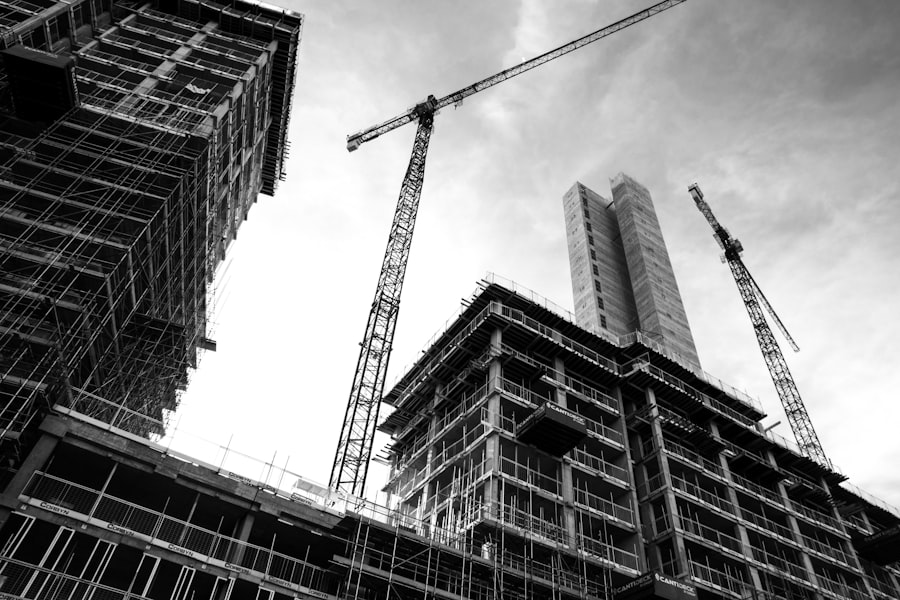
Budgeting for construction costs in Brooklyn requires a comprehensive understanding of various factors that influence expenses. The cost of land acquisition is often the most significant expense, particularly in a competitive market like Brooklyn where property values have surged in recent years. Beyond land costs, developers must account for construction materials, labor, permits, and fees associated with zoning approvals.
It is essential to conduct thorough market research to estimate these costs accurately and create a realistic budget that reflects current market conditions. In addition to direct construction costs, developers should also consider indirect expenses such as financing costs, insurance, and contingency funds for unexpected issues that may arise during construction. For instance, delays due to weather or supply chain disruptions can lead to increased labor costs or material price hikes.
A well-prepared budget will include a contingency reserve—typically 10-20% of the total project cost—to address these unforeseen circumstances. By carefully analyzing all potential expenses and incorporating flexibility into their financial plans, developers can better position themselves for successful project completion.
Finding the Right Contractors and Subcontractors in Brooklyn
Selecting the right contractors and subcontractors is a critical step in ensuring the success of any construction project in Brooklyn. The quality of workmanship directly impacts not only the project’s outcome but also its long-term value. When searching for contractors, property owners should prioritize those with experience in similar projects and a solid reputation within the community.
Recommendations from other developers or real estate professionals can provide valuable insights into potential candidates. Once potential contractors are identified, it is essential to conduct thorough interviews and request detailed proposals that outline their approach to the project, timelines, and cost estimates. Checking references and reviewing past work can help gauge a contractor’s reliability and quality of work.
Additionally, it is advisable to verify that contractors hold the necessary licenses and insurance coverage required by New York City regulations. Establishing clear communication from the outset will also foster a collaborative environment that can lead to more efficient project execution.
Managing the Permit Process for Construction in Brooklyn
The permit process for construction projects in Brooklyn can be daunting due to the numerous approvals required from various city agencies. Before any construction begins, developers must secure permits that demonstrate compliance with zoning laws and building codes. The first step typically involves submitting an application to the Department of Buildings (DOB), which reviews plans for compliance with safety standards and zoning regulations.
Navigating this process requires careful attention to detail and an understanding of the specific requirements for each type of permit. For example, a building permit may require detailed architectural plans, structural calculations, and environmental assessments. Additionally, public hearings may be necessary for larger projects or those that deviate from existing zoning regulations.
Engaging with local community boards early in the process can help address concerns and facilitate smoother approvals. Developers should also be prepared for potential delays due to bureaucratic processes or community opposition.
Ensuring Quality and Safety in Brooklyn Construction Projects
Ensuring quality and safety throughout construction projects in Brooklyn is paramount not only for compliance with regulations but also for protecting workers and future occupants. Adhering to safety standards set forth by OSHA (Occupational Safety and Health Administration) is essential for minimizing workplace accidents on construction sites. This includes providing proper training for workers, maintaining safe working conditions, and using appropriate safety equipment.
Regular inspections by qualified professionals can help identify potential issues before they escalate into costly problems. For instance, structural engineers may conduct assessments at various stages of construction to ensure that all elements meet design specifications and safety standards.
By prioritizing both quality and safety, developers can mitigate risks associated with construction defects or accidents that could lead to legal liabilities or project delays.
Utilizing Sustainable and Eco-Friendly Building Practices in Brooklyn
The growing emphasis on sustainability has led many developers in Brooklyn to adopt eco-friendly building practices that minimize environmental impact while enhancing energy efficiency. Incorporating sustainable materials—such as reclaimed wood or recycled steel—can significantly reduce a project’s carbon footprint. Additionally, utilizing energy-efficient systems like solar panels or high-efficiency HVAC units not only benefits the environment but can also lead to long-term cost savings for property owners.
Achieving LEED certification involves meeting specific criteria related to energy use, water efficiency, indoor environmental quality, and sustainable site development. In Brooklyn’s competitive real estate market, properties that prioritize sustainability often attract environmentally conscious buyers or tenants willing to pay a premium for green features.
Overcoming Common Challenges in Brooklyn Lot Subdivision and Development
Developers in Brooklyn often face a myriad of challenges when it comes to lot subdivision and development projects. One common hurdle is navigating the complex regulatory landscape that governs land use in the borough. Zoning changes or community opposition can derail even well-planned projects if developers are not prepared to address concerns or adapt their plans accordingly.
Engaging with local stakeholders early in the process can help mitigate these challenges by fostering goodwill and collaboration. Another significant challenge is managing rising construction costs amid fluctuating market conditions. As demand for housing continues to grow in Brooklyn, labor shortages and material price increases can strain budgets and timelines.
Developers must remain agile and proactive in their approach to budgeting and project management to navigate these fluctuations effectively. Building strong relationships with suppliers and contractors can provide leverage when negotiating prices or securing materials during periods of high demand. In conclusion, navigating the complexities of lot subdivision and development in Brooklyn requires a multifaceted approach that encompasses understanding zoning laws, budgeting effectively, selecting qualified contractors, managing permits diligently, ensuring safety standards are met, embracing sustainable practices, and overcoming common challenges inherent in urban development.
Each step demands careful planning and execution to achieve successful outcomes in this dynamic real estate market.
If you are interested in learning more about interior design and home makeovers, you may want to check out this article on stylish makeovers that elevate interior design. It provides valuable insights and inspiration for transforming your living space. Additionally, if you are in the process of planning your dream home, you may find this article on creating a wishlist for your new construction project helpful. And for more construction-related tips and information, be sure to visit the ESG Builders Ltd blog.
FAQs
What is lot subdivision?
Lot subdivision is the process of dividing a single parcel of land into two or more separate lots. This allows for the development of multiple properties on the original parcel.
What are the requirements for lot subdivision in Brooklyn?
In Brooklyn, lot subdivision is subject to the regulations and requirements set forth by the New York City Department of City Planning. These requirements may include zoning regulations, lot size minimums, and infrastructure considerations.
What is the process for obtaining approval for lot subdivision in Brooklyn?
The process for obtaining approval for lot subdivision in Brooklyn involves submitting an application to the New York City Department of City Planning, which will review the proposal to ensure it complies with zoning regulations and other requirements. This process may also involve public hearings and community board review.
What are the considerations for developing a subdivided lot in Brooklyn?
When developing a subdivided lot in Brooklyn, considerations may include obtaining necessary permits, complying with building codes, and ensuring that the development is in line with the surrounding neighborhood and community.
What are some common challenges faced by first-time builders in Brooklyn?
Common challenges faced by first-time builders in Brooklyn may include navigating the complex regulatory environment, securing financing, and managing the construction process. It is important for first-time builders to seek guidance from experienced professionals and to thoroughly research and plan their project.