
A gut renovation in a Brooklyn townhouse typically involves a comprehensive overhaul of the property, stripping it down to its essential structural elements. This process often includes removing walls, floors, and ceilings, as well as updating plumbing, electrical systems, and HVAC units. The goal is to create a blank canvas that allows homeowners to reimagine their living spaces according to modern standards and personal preferences.
In Brooklyn, where many townhouses are historic and have unique architectural features, a gut renovation can also mean preserving certain elements while updating others to meet contemporary needs. The scope of a gut renovation can vary significantly based on the age and condition of the townhouse. For instance, a pre-war building may require extensive work to address outdated electrical systems or plumbing that does not meet current codes.
Conversely, a more recently constructed townhouse might only need cosmetic updates, such as new finishes or layouts. Homeowners must assess their specific needs and desires, which can range from creating an open-concept living area to adding energy-efficient appliances. Understanding the full scope of the renovation is crucial for effective planning and budgeting.
Key Takeaways
- Gut renovation in Brooklyn townhouses involves a complete overhaul of the interior, including structural changes, electrical and plumbing updates, and aesthetic improvements.
- Factors to consider when planning a gut renovation in NYC include budget, timeline, hiring the right professionals, and obtaining necessary permits.
- The best time of year for gut renovations in NYC is typically during the spring and fall when the weather is mild and construction activity is not at its peak.
- Weather considerations for gut renovations in Brooklyn include preparing for extreme temperatures, heavy rainfall, and potential delays due to winter weather.
- Cost considerations for gut renovations in NYC include materials, labor, permits, and unexpected expenses, so it’s important to budget accordingly and have a contingency plan.
- Finding the right contractor for a Brooklyn townhouse gut renovation involves thorough research, checking references, and obtaining multiple bids to ensure quality work and a smooth process.
- Permits and regulations for gut renovations in NYC can be complex, so it’s important to work with a knowledgeable contractor who can navigate the process and ensure compliance.
- Tips for minimizing disruptions during a Brooklyn townhouse gut renovation include setting clear expectations with neighbors, establishing a communication plan, and planning for temporary living arrangements if necessary.
Factors to Consider When Planning a Gut Renovation in NYC
Assessing the Existing Layout
One of the primary considerations is the existing layout of the townhouse. Homeowners should evaluate how they currently use their space and identify areas that could benefit from reconfiguration. For example, if the kitchen is cramped and isolated from the living area, an open floor plan might enhance both functionality and social interaction. This assessment should also consider the flow of natural light and how it can be optimized through strategic design choices.
Compliance with Local Building Codes and Regulations
Another critical factor is compliance with local building codes and regulations. New York City has stringent requirements that govern construction projects, particularly in historic districts like many areas of Brooklyn. Homeowners must familiarize themselves with these regulations to avoid costly delays or fines. This includes understanding zoning laws, which dictate what changes can be made to the exterior of the building, as well as safety codes that must be adhered to during construction.
By working with experts who are familiar with the complexities of New York City’s building codes and regulations, homeowners can avoid potential pitfalls and ensure a successful gut renovation project.
The Best Time of Year for Gut Renovations in NYC
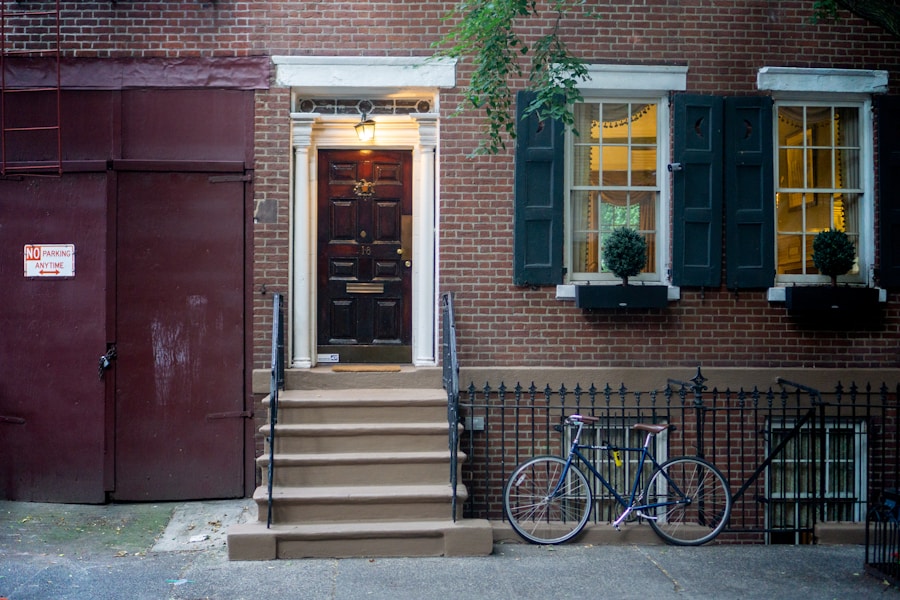
Timing plays a significant role in the success of a gut renovation project in New York City. The best time to undertake such renovations often aligns with the city’s seasonal weather patterns. Spring and early fall are generally considered ideal periods for construction work due to milder temperatures and lower chances of extreme weather events.
During these seasons, contractors can work more efficiently without the hindrance of snow or excessive heat, which can impact both labor productivity and material performance. Moreover, starting a renovation in spring allows homeowners to take advantage of longer daylight hours, which can extend working hours for contractors. This can lead to faster project completion times.
Conversely, winter months can pose challenges such as frozen ground conditions that complicate excavation work or delays caused by snowstorms. While summer may seem appealing due to school vacations, it often brings heat waves that can slow down construction activities. Therefore, careful consideration of seasonal factors can significantly influence the overall timeline and success of a gut renovation.
Weather Considerations for Gut Renovations in Brooklyn
Brooklyn’s weather patterns present unique challenges for gut renovations that must be carefully managed throughout the project. The borough experiences a humid subtropical climate characterized by hot summers and cold winters, which can affect various aspects of construction. For instance, heavy rainfall during spring months can lead to water damage if proper precautions are not taken during demolition and rebuilding phases.
Contractors must implement effective waterproofing measures and ensure that materials are stored properly to prevent deterioration. In addition to precipitation, temperature fluctuations can impact construction materials and processes. For example, extreme cold can cause concrete to set improperly or lead to issues with adhesives used in flooring installations.
Similarly, high humidity levels can affect paint drying times and the curing process for various materials. Homeowners should work closely with their contractors to develop contingency plans that address potential weather-related delays or complications, ensuring that the renovation proceeds smoothly despite external conditions.
Cost Considerations for Gut Renovations in NYC
The financial implications of a gut renovation in New York City are substantial and require thorough planning and budgeting. Costs can vary widely based on several factors, including the size of the townhouse, the extent of the renovations, and the quality of materials chosen. On average, homeowners can expect to spend anywhere from $100 to $300 per square foot for a complete gut renovation in Brooklyn, depending on these variables.
This range highlights the importance of obtaining detailed estimates from contractors before committing to a project. Additionally, unforeseen expenses often arise during renovations due to hidden issues within older buildings. For instance, once walls are opened up, homeowners may discover outdated wiring or plumbing that needs replacement, leading to increased costs.
To mitigate these risks, it is advisable to set aside a contingency fund—typically around 10-20% of the total budget—to cover unexpected expenses that may arise during construction. By being proactive about financial planning, homeowners can navigate the complexities of gut renovations without facing overwhelming financial strain.
Finding the Right Contractor for a Brooklyn Townhouse Gut Renovation
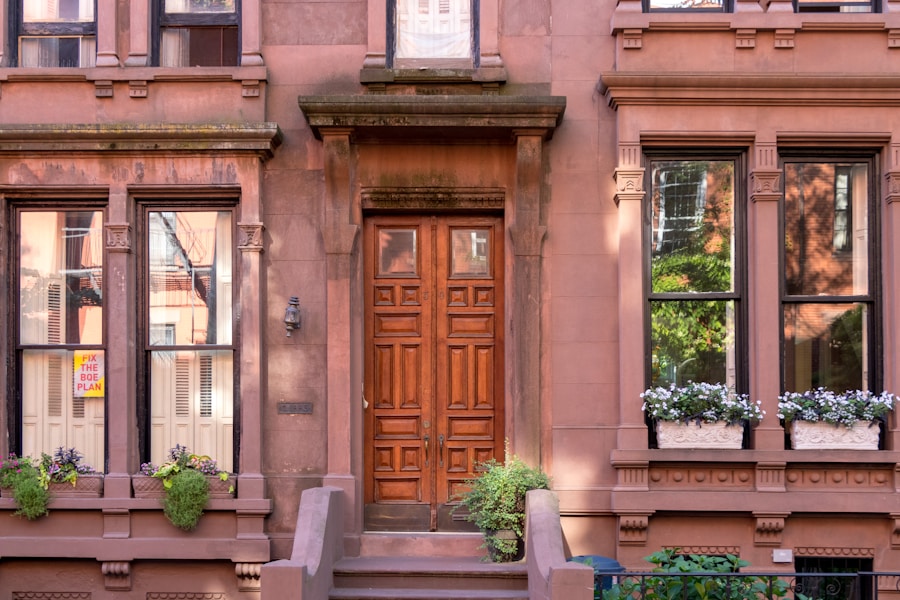
Selecting the right contractor is one of the most critical steps in ensuring a successful gut renovation in a Brooklyn townhouse. Homeowners should begin by researching local contractors who specialize in renovations similar to their project scope. This includes reviewing portfolios of past work and checking references from previous clients to gauge satisfaction levels and reliability.
A contractor with experience in historic renovations may be particularly valuable for Brooklyn townhouses due to their unique architectural features. Once potential contractors have been identified, it is essential to conduct thorough interviews to assess their qualifications and compatibility with the homeowner’s vision. During these discussions, homeowners should inquire about the contractor’s approach to project management, communication style, and ability to adhere to timelines and budgets.
Additionally, obtaining multiple bids can provide insight into market rates and help homeowners make informed decisions about which contractor best aligns with their needs and expectations.
Permits and Regulations for Gut Renovations in NYC
Navigating the maze of permits and regulations is an essential aspect of planning a gut renovation in New York City. The Department of Buildings (DOB) oversees construction projects and requires various permits depending on the scope of work being undertaken. For instance, any structural changes or alterations that affect egress or occupancy will necessitate specific permits that ensure compliance with safety standards.
Homeowners must familiarize themselves with these requirements early in the planning process to avoid delays. In addition to city regulations, homeowners should also consider any neighborhood-specific guidelines that may apply, particularly in historic districts where preservation rules are stringent. Engaging an architect or contractor familiar with local regulations can streamline this process significantly.
They can assist in preparing necessary documentation and submitting applications on behalf of the homeowner, ensuring that all required permits are obtained before construction begins.
Tips for Minimizing Disruptions During a Brooklyn Townhouse Gut Renovation
A gut renovation can be disruptive not only to homeowners but also to neighbors in close-knit Brooklyn communities. To minimize disturbances during construction, homeowners should communicate openly with their neighbors about the planned renovations and expected timelines. Providing advance notice about potential noise or disruptions can foster goodwill and understanding among neighbors who may be affected by construction activities.
Additionally, establishing clear boundaries around the worksite can help contain dust and debris while maintaining safety for both workers and residents. Homeowners should also consider scheduling noisy tasks during hours that are least likely to disturb neighbors—typically weekdays during standard business hours—and avoid early morning or late evening work whenever possible. By taking these proactive steps, homeowners can create a more harmonious environment during what is often an intense period of transformation within their Brooklyn townhouse.
If you are considering a gut renovation for your Brooklyn townhouse, you may also be interested in reading about the best time of year for such projects in NYC. ESG Builders Ltd. offers valuable insights on this topic in their blog post “The Best Time of Year for Gut Renovations in NYC”. Understanding the optimal timing for your renovation can help ensure a smoother and more efficient process.
FAQs
What is a gut renovation?
A gut renovation involves completely stripping a building’s interior down to its structural elements and rebuilding it from scratch.
When is the best time of year for gut renovations in NYC?
The best time for gut renovations in NYC is typically during the spring and fall months. This is because the weather is milder, which can make it easier to work on the exterior of the building, and there are generally fewer extreme temperature fluctuations that can impact the construction process.
What are the advantages of doing a gut renovation during the spring and fall months?
During the spring and fall, there is less chance of extreme weather conditions such as snowstorms or heatwaves, which can disrupt construction schedules. Additionally, the milder temperatures can make it more comfortable for workers to be on-site, and can also help with the drying and curing of materials such as paint and plaster.
Are there any disadvantages to doing a gut renovation during the spring and fall months?
One potential disadvantage of doing a gut renovation during the spring and fall is that these are popular times for construction projects, so scheduling contractors and securing permits may be more challenging. Additionally, prices for materials and labor may be higher during these peak times.
Are there any specific considerations for gut renovations in Brooklyn townhouses?
Brooklyn townhouses often have unique architectural features and may be subject to specific zoning and landmark regulations. It’s important to work with a contractor who is familiar with these considerations and can navigate the permitting process effectively.