
Engaging a designer for your classic bathroom remodel is not merely a matter of aesthetics; it is a strategic decision that can significantly influence the outcome of your project. Designers bring a wealth of knowledge and experience to the table, allowing them to navigate the complexities of space planning, material selection, and design principles. Their expertise ensures that the final product is not only visually appealing but also functional and aligned with your lifestyle needs.
A designer can help you avoid common pitfalls, such as poor layout choices or mismatched materials, which can lead to costly mistakes and dissatisfaction with the end result. Moreover, a designer can provide a fresh perspective that you may not have considered. They are trained to think creatively and can suggest innovative solutions that enhance both the beauty and functionality of your bathroom.
By collaborating with a designer, you gain access to a broader range of ideas and resources, ultimately leading to a more cohesive and well-executed remodel.
Key Takeaways
- Working with a designer is important for creating a cohesive and well-executed classic bathroom remodel.
- Finding the right designer for your classic bathroom remodel involves researching their experience and style, and ensuring they understand your vision.
- Collaborating with your designer is crucial for creating a timeless design that reflects your personal style and meets your needs.
- Incorporating modern amenities into a classic bathroom design can enhance functionality and comfort without sacrificing the traditional aesthetic.
- Selecting the perfect fixtures and finishes is essential for achieving the desired look and feel of your classic bathroom remodel.
Finding the Right Designer for Your Classic Bathroom Remodel
The process of finding the right designer for your classic bathroom remodel begins with research and self-reflection. Start by identifying your specific needs and preferences. Consider what elements are essential for your bathroom, such as a soaking tub, double vanity, or vintage fixtures.
Once you have a clear vision, begin searching for designers who specialize in classic styles or have a portfolio that resonates with your aesthetic. Online platforms, social media, and local design showrooms can be excellent resources for discovering potential candidates. When evaluating designers, it is crucial to review their portfolios thoroughly.
Look for projects that showcase their ability to blend classic design elements with modern functionality. Pay attention to their use of color, texture, and space; these factors will significantly impact the overall feel of your bathroom. Additionally, consider reaching out to past clients for testimonials or reviews.
A designer’s ability to communicate effectively and understand your vision is just as important as their technical skills. Schedule initial consultations with a few candidates to discuss your project and gauge their enthusiasm and compatibility with your ideas.
Collaborating with Your Designer to Create a Timeless Design
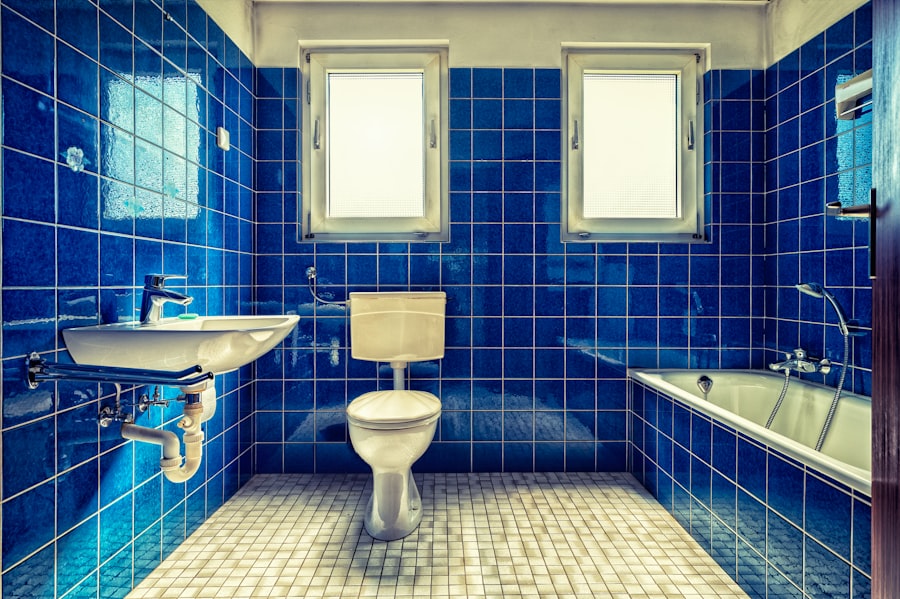
Once you have selected a designer, the collaboration process begins in earnest. This stage is critical for translating your vision into a tangible design plan. Open communication is key; share your thoughts, preferences, and any inspirations you may have gathered from magazines or online platforms.
A skilled designer will listen attentively and ask probing questions to clarify your desires, ensuring that they fully understand your vision before moving forward. During this collaborative phase, it is also essential to remain open to suggestions from your designer. They may propose ideas that challenge your initial concepts but ultimately enhance the design’s timeless quality.
For example, they might suggest incorporating classic subway tiles in an unexpected layout or recommend vintage-inspired lighting fixtures that add character without overwhelming the space. The goal is to create a harmonious blend of your personal style and the designer’s expertise, resulting in a bathroom that feels both unique and enduring.
Incorporating Modern Amenities into a Classic Bathroom Design
A classic bathroom remodel does not mean sacrificing modern conveniences; rather, it presents an opportunity to seamlessly integrate contemporary amenities into a timeless design framework. For instance, consider installing a heated floor system beneath traditional tile or marble flooring. This feature not only enhances comfort during colder months but also adds an element of luxury that complements classic aesthetics.
Another way to incorporate modern amenities is through smart technology. Touchless faucets, programmable shower systems, and integrated lighting controls can elevate the functionality of your bathroom while maintaining its classic charm. When selecting these features, focus on designs that harmonize with traditional elements—such as brushed nickel or oil-rubbed bronze finishes—that will blend seamlessly into the overall aesthetic.
By thoughtfully integrating modern amenities, you can create a bathroom that meets contemporary needs while preserving its classic appeal.
Selecting the Perfect Fixtures and Finishes for Your Remodel
The selection of fixtures and finishes is one of the most critical aspects of any bathroom remodel, particularly in a classic design context. Fixtures such as faucets, sinks, and bathtubs should reflect the timeless elegance associated with traditional styles while also offering durability and functionality. For example, consider opting for a freestanding clawfoot tub that serves as both a focal point and a nod to vintage design sensibilities.
When it comes to finishes, materials play an equally vital role in achieving the desired aesthetic. Classic bathrooms often feature natural stone surfaces like marble or granite, which exude sophistication and luxury. However, it is essential to balance these high-end materials with more practical options that can withstand daily use.
For instance, porcelain tiles can mimic the look of natural stone while offering greater durability and ease of maintenance. Collaborate closely with your designer to select finishes that not only align with your vision but also meet practical requirements.
Maximizing Space and Functionality in a Classic Bathroom Remodel

In many homes, bathrooms are often limited in space, making it crucial to maximize both functionality and aesthetics during a remodel. A well-designed classic bathroom should feel spacious and inviting while accommodating all necessary features. One effective strategy is to consider built-in storage solutions that blend seamlessly into the design.
For example, recessed shelving or cabinetry can provide ample storage without encroaching on floor space. Another approach is to utilize mirrors strategically to create an illusion of depth and openness. A large mirror above the vanity can reflect light and make the room feel larger than it is.
Additionally, consider incorporating glass shower enclosures instead of bulky curtains or walls; this choice not only enhances the sense of space but also allows for easy maintenance and cleaning. By focusing on smart design choices that prioritize both space and functionality, you can achieve a classic bathroom that feels expansive yet cozy.
Navigating the Permit and Approval Process in Brooklyn
Remodeling a bathroom in Brooklyn often involves navigating local regulations regarding permits and approvals. Understanding these requirements is essential to ensure compliance and avoid potential delays in your project timeline. Typically, any significant alterations—such as plumbing changes or structural modifications—will require permits from the Department of Buildings (DOB).
The application process can be intricate; it often involves submitting detailed plans and specifications for review by city officials. Your designer can assist in preparing these documents to ensure they meet all local codes and regulations.
Additionally, be prepared for potential inspections during various stages of construction; these are standard procedures designed to ensure safety and compliance with building standards. By proactively addressing permit requirements with your designer’s guidance, you can streamline the approval process and keep your project on track.
Budgeting and Planning for Your Classic Bathroom Remodel with a Designer
Budgeting for a classic bathroom remodel requires careful planning and consideration of various factors that can influence costs. Working with a designer can help you establish a realistic budget based on your vision and desired materials. Begin by discussing your financial parameters openly with your designer; this transparency will enable them to tailor their recommendations accordingly.
Consider breaking down your budget into categories such as fixtures, finishes, labor costs, and contingency funds for unexpected expenses. A well-structured budget allows for flexibility while ensuring that essential elements are prioritized without compromising quality. Your designer can provide insights into where you might splurge versus where you can save; for instance, investing in high-quality plumbing fixtures may yield long-term benefits while opting for more affordable tile options could help balance costs without sacrificing style.
By collaborating closely with your designer throughout the budgeting process, you can achieve a stunning classic bathroom remodel that aligns with both your vision and financial goals.
If you’re interested in innovative home changes, you may want to check out this article on typography. And if you’re ready to start your bathroom remodel project, don’t hesitate to Modern Bathroom Remodeling: How to Upgrade Without a Full Renovation in Brooklyn