
Before embarking on a bathroom renovation, it is crucial to conduct a thorough assessment of your specific needs. This initial step serves as the foundation for the entire project, guiding decisions about design, layout, and functionality. Begin by evaluating how you currently use your bathroom.
Consider the number of people who utilize the space, their daily routines, and any specific requirements they may have. For instance, if you have a growing family, you might need additional storage solutions or a larger vanity to accommodate multiple users. Alternatively, if the bathroom is primarily used by guests, you may prioritize aesthetics over functionality.
In addition to understanding usage patterns, it is essential to identify any existing issues that need addressing. This could range from outdated plumbing and electrical systems to inadequate lighting or ventilation. Take note of any elements that hinder comfort or efficiency, such as a cramped layout or insufficient counter space.
By compiling a comprehensive list of your needs and concerns, you can create a clear vision for your renovation project. This clarity will not only streamline the design process but also help you communicate effectively with contractors and designers later on.
Key Takeaways
- Assess your current bathroom needs and identify any issues or areas for improvement
- Set a realistic budget for your renovation project, taking into account all potential costs
- Research different design and layout options to find the best fit for your space and preferences
- Choose high-quality materials and fixtures that will withstand the test of time and fit your aesthetic
- Hire a reliable contractor with a good track record and obtain all necessary permits and approvals before starting the renovation process
Setting a Budget for Your Renovation
Once you have assessed your bathroom needs, the next step is to establish a realistic budget for your renovation. A well-defined budget is critical as it dictates the scope of your project and helps prevent overspending. Begin by researching the average costs associated with bathroom renovations in your area.
This includes expenses for materials, labor, and any additional features you may want to incorporate. For example, if you are considering high-end fixtures or custom cabinetry, be prepared for a significant increase in costs. When setting your budget, it is wise to include a contingency fund—typically around 10-20% of your total budget—to account for unexpected expenses that may arise during the renovation process.
These could include hidden plumbing issues or structural repairs that were not apparent during the initial assessment. By planning for these contingencies, you can avoid financial strain and ensure that your project stays on track. Additionally, consider prioritizing your spending based on your needs; allocate more funds to essential upgrades while being more flexible with cosmetic changes.
Researching Design and Layout Options

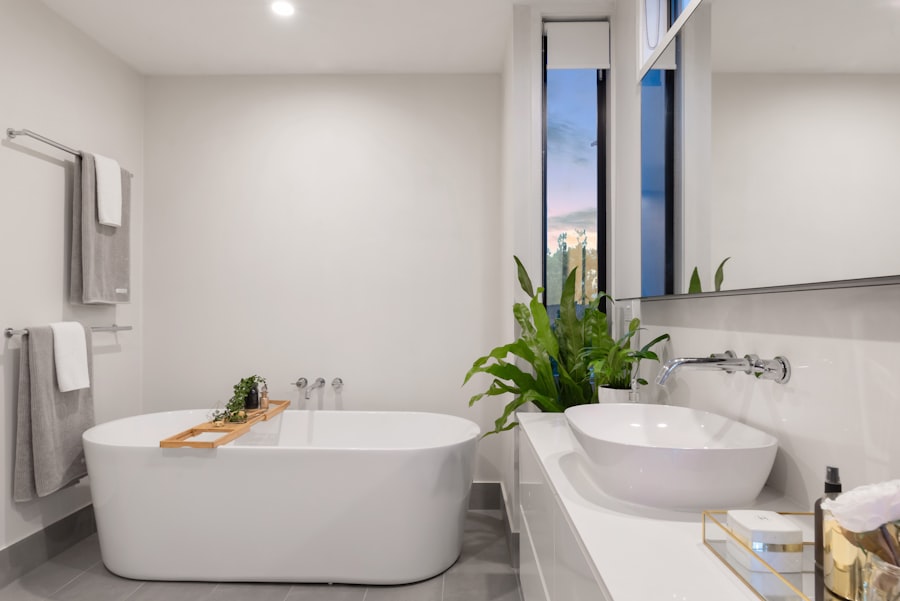
With a budget in place, the next phase involves researching design and layout options that align with your needs and preferences. The bathroom’s layout significantly impacts its functionality and flow, so it is essential to explore various configurations. For instance, if space allows, consider a double vanity to accommodate multiple users simultaneously.
Alternatively, if you are working with a smaller area, a corner sink or wall-mounted fixtures can maximize floor space while maintaining style. In terms of design aesthetics, there are numerous styles to choose from—ranging from modern minimalist to classic traditional. Explore different color palettes, tile patterns, and fixture styles that resonate with your vision.
Online platforms like Pinterest and Houzz can serve as valuable resources for gathering inspiration and visualizing potential designs. Additionally, visiting showrooms can provide tangible examples of materials and fixtures, allowing you to better understand how they will look in your space. As you research, keep in mind the importance of creating a cohesive design that reflects your personal style while also enhancing the overall functionality of the bathroom.
Choosing the Right Materials and Fixtures
Selecting the right materials and fixtures is a pivotal aspect of any bathroom renovation. The choices you make will not only influence the aesthetic appeal of the space but also its durability and maintenance requirements. Start by considering flooring options; popular choices include porcelain tiles for their water resistance and durability or luxury vinyl for its affordability and ease of installation.
Each material has its pros and cons, so weigh them against your lifestyle and maintenance preferences. When it comes to fixtures, focus on quality and functionality. Investing in high-quality faucets and showerheads can enhance both performance and longevity.
Look for water-efficient models that conserve resources without sacrificing performance; this not only benefits the environment but can also lead to lower utility bills over time. Additionally, consider storage solutions such as built-in shelves or cabinetry that complement your design while providing practical storage for toiletries and towels. The right combination of materials and fixtures will create a harmonious balance between style and functionality in your newly renovated bathroom.
Hiring a Reliable Contractor
Finding a reliable contractor is one of the most critical steps in ensuring the success of your bathroom renovation. A skilled contractor will bring your vision to life while adhering to timelines and budgets. Start by seeking recommendations from friends or family who have recently completed similar projects.
Online reviews and ratings can also provide insight into potential candidates’ reputations. Once you have compiled a list of potential contractors, schedule interviews to discuss your project in detail. During these meetings, inquire about their experience with bathroom renovations specifically, as this expertise can significantly impact the quality of work performed.
Request references from previous clients and take the time to follow up with them to gauge their satisfaction with the contractor’s work. Additionally, ensure that the contractor is licensed and insured; this protects you from liability in case of accidents or damages during the renovation process.
Obtaining Necessary Permits and Approvals
Before commencing any renovation work, it is essential to obtain the necessary permits and approvals from local authorities. Depending on the scope of your project—such as plumbing changes or structural modifications—specific permits may be required to ensure compliance with building codes and regulations. Failing to secure these permits can lead to fines or complications down the line when selling your home.
To navigate this process smoothly, consult with your contractor, as they often have experience dealing with local regulations and can assist in obtaining the required permits on your behalf. Additionally, familiarize yourself with local building codes related to bathroom renovations; this knowledge will empower you to make informed decisions throughout the project. By ensuring all necessary approvals are in place before work begins, you can avoid potential delays and ensure that your renovation adheres to safety standards.
Preparing for the Renovation Process
Preparation is key to minimizing disruptions during the renovation process. Before construction begins, take steps to clear out the bathroom of all personal items, toiletries, and decor. This not only facilitates easier access for contractors but also protects your belongings from dust and damage during the renovation.
If possible, set up an alternative bathing area in another part of your home or consider temporary arrangements if multiple bathrooms are not available. Communication with your contractor is vital during this phase as well. Establish a clear timeline for the project and discuss any potential disruptions that may occur during construction.
Understanding what to expect can help you plan accordingly and reduce stress throughout the renovation process.
Considering Accessibility and Universal Design Features
As you finalize your bathroom renovation plans, it is essential to consider accessibility and universal design features that cater to individuals of all ages and abilities. Incorporating these elements not only enhances usability but also adds long-term value to your home. For instance, installing grab bars near the toilet and shower can provide support for individuals with mobility challenges while ensuring safety for all users.
Additionally, consider features such as a curbless shower or a walk-in tub that facilitate easier access for individuals with limited mobility or those aging in place. Lever-style faucets are another excellent choice as they are easier to operate than traditional knobs, making them more accessible for everyone. By integrating universal design principles into your renovation plans, you create a welcoming environment that accommodates diverse needs while enhancing the overall functionality of your bathroom space.
In summary, embarking on a bathroom renovation requires careful planning and consideration at every stage—from assessing needs and setting budgets to selecting materials and ensuring accessibility features are included. By following these steps diligently, homeowners can create a beautiful and functional bathroom that meets their unique requirements while adding value to their property.
If you are considering a bathroom renovation in Coney Island, you may also want to check out ESG Builders Ltd’s article on elevating your home with thoughtful renovations. This article provides valuable insights on how to enhance your living space through strategic remodeling projects. To learn more about their services and get started on your bathroom remodel prep list, visit ESG Builders Ltd.
FAQs
What is the average cost of a bathroom renovation in Coney Island, Brooklyn?
The average cost of a bathroom renovation in Coney Island, Brooklyn can vary depending on the size of the bathroom, the materials used, and the extent of the renovation. However, on average, a bathroom renovation in this area can cost between $10,000 to $25,000.
What are the common challenges faced during a bathroom renovation in Brooklyn homes?
Common challenges faced during a bathroom renovation in Brooklyn homes include limited space, old plumbing and electrical systems, and complying with building codes and regulations. Additionally, sourcing materials and finding reliable contractors can also be challenging.
What are the essential steps to prepare for a bathroom renovation in Coney Island, Brooklyn?
Essential steps to prepare for a bathroom renovation in Coney Island, Brooklyn include setting a budget, creating a design plan, obtaining necessary permits, hiring a reputable contractor, and selecting materials and fixtures. It is also important to consider the timeline for the renovation and make alternative bathroom arrangements if needed.
What are some popular design trends for bathroom renovations in Brooklyn homes?
Popular design trends for bathroom renovations in Brooklyn homes include using subway tiles, incorporating vintage fixtures, maximizing storage space, and utilizing neutral color palettes. Additionally, incorporating energy-efficient fixtures and creating a spa-like atmosphere are also popular trends.
How long does a typical bathroom renovation in Coney Island, Brooklyn take to complete?
The timeline for a typical bathroom renovation in Coney Island, Brooklyn can vary depending on the scope of the project. However, on average, a bathroom renovation can take anywhere from 2 to 4 weeks to complete. Larger or more complex renovations may take longer.