
Ground-up construction in urban Brooklyn presents a unique set of challenges that stem from the dense population, historical context, and regulatory environment of the area. One of the most significant hurdles is the limited availability of space. Brooklyn, with its vibrant neighborhoods and rich cultural heritage, often has sites that are either too small or irregularly shaped for traditional construction methods.
This necessitates innovative design solutions that can maximize the use of available land while adhering to local architectural styles and community standards. For instance, developers may need to consider vertical expansion or mixed-use designs that incorporate residential, commercial, and recreational spaces within a single structure. Additionally, the existing infrastructure poses challenges for new construction projects.
Many areas in Brooklyn are characterized by narrow streets and limited access points, which complicate the delivery of materials and equipment. The presence of older buildings and historical landmarks can also restrict construction activities, as developers must navigate preservation laws and community sentiments regarding changes to the urban landscape. This often leads to lengthy negotiations with local authorities and community boards, which can delay project timelines and increase costs.
Understanding these challenges is crucial for anyone looking to embark on a ground-up construction project in this dynamic borough.
Key Takeaways
- Ground-up construction in urban Brooklyn presents unique challenges such as limited space, existing infrastructure, and community impact.
- Navigating zoning and permitting in Brooklyn requires a thorough understanding of local regulations and building codes.
- Finding the right team for ground-up construction project involves selecting experienced professionals familiar with urban construction challenges.
- Managing budgets and timelines in urban construction requires careful planning and proactive communication with all stakeholders.
- Utilizing sustainable and eco-friendly construction practices in Brooklyn is essential for minimizing environmental impact and meeting regulatory requirements.
Navigating Zoning and Permitting in Brooklyn
Understanding Zoning Regulations
Developers must conduct thorough research to understand these regulations before proceeding with their projects. Engaging with local zoning maps and consulting with zoning experts can provide valuable insights into what is permissible on a given site.
Navigating the Permitting Process
Obtaining the necessary permits can be a time-consuming endeavor, often involving multiple city agencies such as the Department of Buildings (DOB) and the Department of City Planning (DCP). Each agency has its own requirements and timelines, which can lead to delays if not managed properly. For example, a developer may need to submit detailed architectural plans, environmental assessments, and community impact statements before receiving approval.
Streamlining the Permitting Process
Engaging a knowledgeable land use attorney or a permitting consultant can streamline this process, ensuring that all documentation is in order and submitted promptly.
Finding the Right Team for Your Ground-Up Construction Project
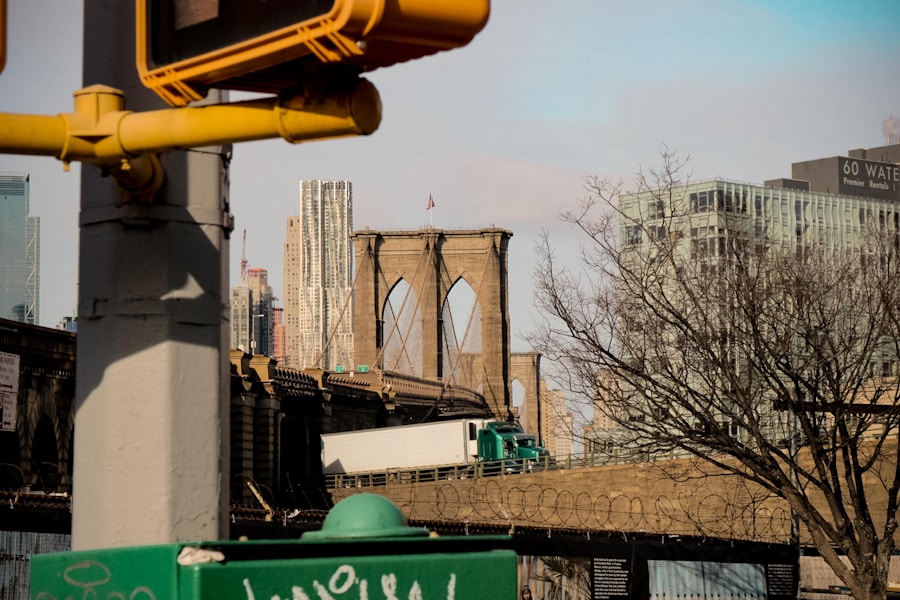
Assembling the right team is paramount for the success of any ground-up construction project in Brooklyn. This team typically includes architects, engineers, contractors, and project managers who must work collaboratively to bring the vision to life. When selecting an architect, it is essential to choose someone who not only understands modern design principles but also appreciates the historical context of Brooklyn’s neighborhoods.
An architect with experience in local projects will be more adept at navigating zoning regulations and community expectations. Equally important is the selection of a general contractor who has a proven track record in urban construction. Urban environments often present unforeseen challenges such as site constraints, weather-related delays, and logistical issues related to material delivery.
A contractor with experience in Brooklyn will be familiar with these challenges and will have established relationships with local suppliers and subcontractors. This network can be invaluable in ensuring that materials are sourced efficiently and that work progresses according to schedule. Additionally, having a skilled project manager who can oversee day-to-day operations and maintain communication among all team members is crucial for keeping the project on track.
Managing Budgets and Timelines in Urban Construction
Budget management is a critical component of ground-up construction projects in Brooklyn, where costs can escalate quickly due to various factors. The high demand for construction services often leads to increased labor costs, while fluctuating material prices can further strain budgets. To mitigate these risks, developers should conduct thorough market research to establish realistic budget estimates based on current conditions.
Implementing a contingency plan that allocates additional funds for unexpected expenses is also advisable. Timelines in urban construction are often subject to delays caused by permitting issues, weather conditions, or logistical challenges. To effectively manage timelines, it is essential to develop a detailed project schedule that outlines key milestones and deadlines.
Utilizing project management software can help track progress and identify potential bottlenecks early on. Regular communication with all stakeholders—including contractors, suppliers, and city officials—can also facilitate timely decision-making and keep the project moving forward.
Utilizing Sustainable and Eco-Friendly Construction Practices in Brooklyn
Sustainability has become an increasingly important consideration in urban construction projects across Brooklyn. As awareness of environmental issues grows, developers are seeking ways to minimize their ecological footprint while still delivering high-quality buildings. One effective approach is to incorporate green building materials that are sourced sustainably and have low environmental impact.
For example, using reclaimed wood or recycled steel not only reduces waste but also adds character to new constructions. In addition to material choices, energy efficiency plays a crucial role in sustainable building practices. Implementing energy-efficient systems such as LED lighting, high-performance insulation, and renewable energy sources like solar panels can significantly reduce a building’s energy consumption over its lifetime.
Furthermore, adhering to standards such as LEED (Leadership in Energy and Environmental Design) certification can enhance a project’s marketability while contributing positively to the environment. By prioritizing sustainability, developers not only meet regulatory requirements but also appeal to environmentally conscious buyers and tenants.
Overcoming Logistics and Transportation Challenges in Urban Construction
Collaboration with Local Authorities
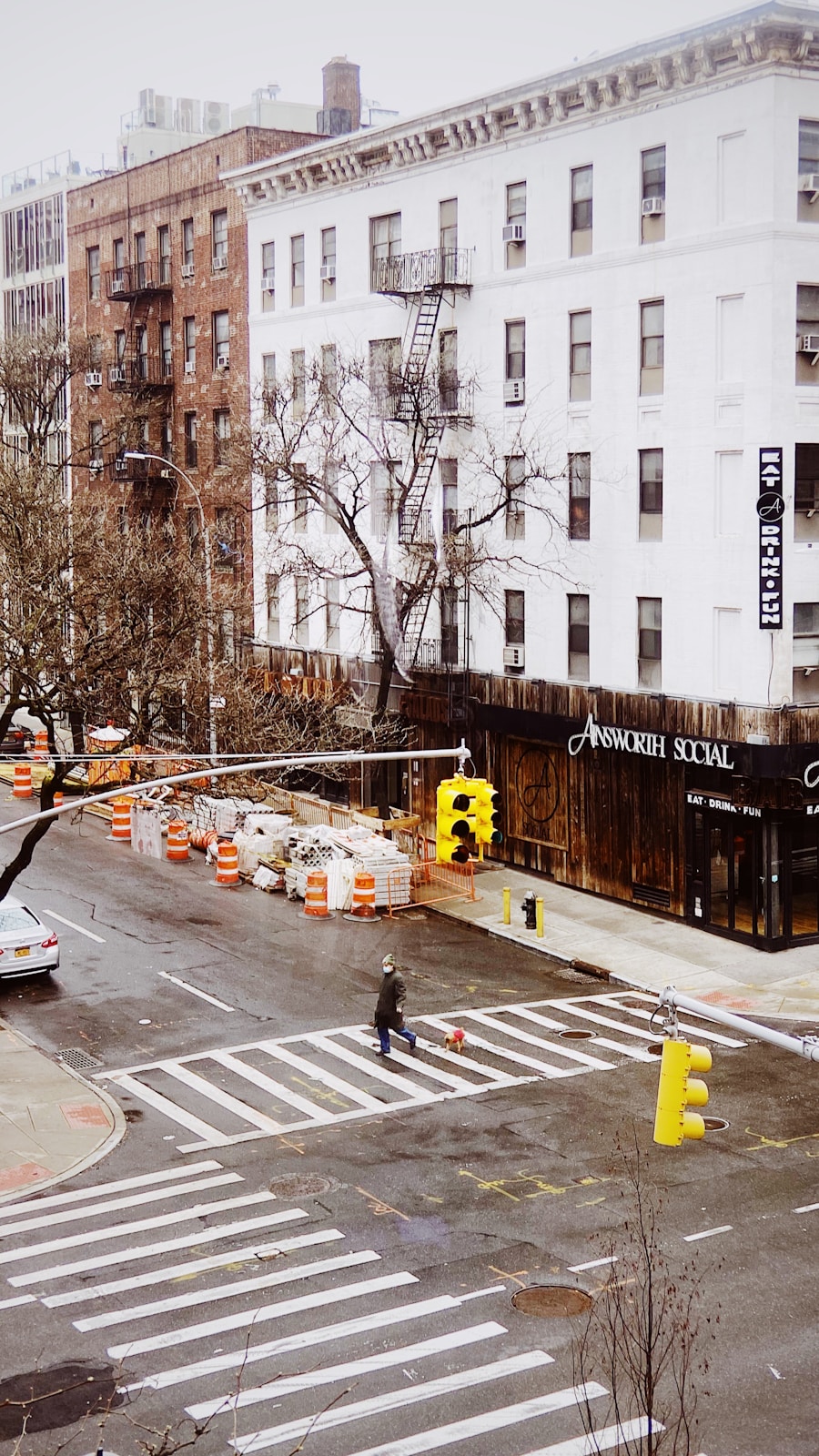
Collaborating with local authorities to secure necessary permits for street closures or sidewalk usage can further streamline logistics and ensure compliance with city regulations.
Ensuring Safety and Compliance in Ground-Up Construction Projects
Safety is paramount in any construction project, particularly in densely populated urban areas like Brooklyn where the risk of accidents can be heightened due to proximity to pedestrians and existing structures. Developers must adhere to strict safety regulations set forth by the Occupational Safety and Health Administration (OSHA) as well as local building codes. This includes implementing comprehensive safety training programs for all workers on-site to ensure they are aware of potential hazards and best practices for accident prevention.
Regular safety audits should be conducted throughout the construction process to identify any potential risks or compliance issues before they escalate into serious problems. Additionally, maintaining open lines of communication with workers about safety concerns fosters a culture of accountability where everyone feels responsible for maintaining a safe work environment. By prioritizing safety measures and compliance with regulations, developers not only protect their workforce but also mitigate potential legal liabilities associated with workplace accidents.
Leveraging Technology and Innovation in Urban Construction Management
The integration of technology into urban construction management has revolutionized how projects are planned and executed in Brooklyn. Building Information Modeling (BIM) is one such innovation that allows architects and contractors to create detailed 3D models of buildings before construction begins.
Tools that offer real-time data analytics can help identify trends in project performance, allowing managers to make informed decisions quickly. Drones are also increasingly being used for site surveys and inspections, providing aerial views that enhance site analysis while reducing the need for manual inspections that can be time-consuming.
Incorporating these technological advancements not only improves efficiency but also enhances overall project outcomes by fostering greater transparency among all parties involved. As urban construction continues to evolve in Brooklyn, embracing innovation will be key to overcoming challenges and delivering successful ground-up projects that meet the needs of the community.
If you are interested in learning more about the importance of safety in construction projects, check out this article on best practices for handling hardware. It provides valuable insights on how to ensure a safe working environment for construction workers and prevent accidents on the job site. This article complements the comprehensive guide on ground-up construction in urban Brooklyn, offering additional tips and guidelines for successful project management.
FAQs
What is construction management?
Construction management involves overseeing and coordinating a construction project from start to finish. This includes planning, budgeting, scheduling, and ensuring that the project is completed on time and within budget.
What is ground-up construction?
Ground-up construction refers to the process of building a structure from the ground up, starting with the foundation and progressing through each stage of construction until the building is complete.
What are the key considerations for ground-up construction in urban Brooklyn?
Key considerations for ground-up construction in urban Brooklyn include zoning regulations, building codes, site logistics, material sourcing, and the impact on the surrounding community.
What are the benefits of hiring a construction management company for ground-up construction projects?
Hiring a construction management company can help ensure that the project is completed efficiently, within budget, and in compliance with all regulations. They can also provide expertise in navigating the complexities of urban construction.
What are some common challenges in ground-up construction in urban Brooklyn?
Common challenges in ground-up construction in urban Brooklyn include limited space for construction activities, navigating city regulations, managing logistics in a densely populated area, and minimizing disruption to the surrounding community.
What are some best practices for ground-up construction in urban Brooklyn?
Best practices for ground-up construction in urban Brooklyn include thorough planning and coordination, proactive communication with stakeholders, utilizing sustainable building practices, and prioritizing safety and compliance throughout the project.