
Delays in material delivery can significantly impact the timeline of construction projects, often leading to cascading effects that disrupt the entire workflow. When materials such as steel, concrete, or specialized fixtures are not delivered on time, contractors may find themselves unable to proceed with critical phases of construction. For instance, if a shipment of steel beams is delayed, the framing of a building cannot commence as scheduled.
This not only stalls the project but can also lead to increased labor costs as workers are left idle, waiting for materials to arrive. The ripple effect of such delays can extend to subcontractors who rely on the timely completion of preceding tasks to begin their work. Moreover, the reasons behind material delivery delays can vary widely.
Supply chain disruptions, often exacerbated by global events such as pandemics or geopolitical tensions, can lead to shortages or extended lead times for essential materials. For example, during the COVID-19 pandemic, many construction projects faced significant delays due to factory shutdowns and transportation issues. Additionally, fluctuations in demand can lead to unexpected shortages; a sudden increase in construction activity in a particular region can strain local suppliers, resulting in longer wait times for materials.
This unpredictability necessitates careful planning and contingency strategies to mitigate the impact of potential delays.
Key Takeaways
- Delays in material delivery can significantly impact project timelines and should be carefully managed.
- Unforeseen structural issues may arise during construction and require quick and effective solutions to avoid further delays.
- Permitting and inspection delays can cause project setbacks and should be anticipated and addressed proactively.
- Changes in design plans should be communicated and implemented efficiently to minimize disruption to the construction schedule.
- Weather-related setbacks can affect outdoor construction projects and should be factored into project planning and scheduling.
Unforeseen Structural Issues
Unforeseen structural issues often emerge during the construction process, posing significant challenges that can derail timelines and budgets. These issues may arise from inadequate site assessments or unexpected conditions that were not apparent during the initial planning stages. For example, a contractor might discover that the soil is less stable than anticipated, requiring additional foundation work or even redesigning the structural elements of the project.
Such discoveries can lead to costly delays as engineers and architects must reassess the design and implement solutions that ensure safety and compliance with building codes. In some cases, unforeseen structural issues can also stem from existing conditions that were not adequately documented or disclosed prior to construction. For instance, when renovating an older building, contractors may encounter hidden problems such as deteriorating beams or outdated electrical systems that do not meet current safety standards.
Addressing these issues often requires additional time for inspections and repairs, which can push back project timelines significantly. The financial implications of these delays can be substantial, as they may necessitate budget reallocations and additional funding to cover unexpected expenses.
Permitting and Inspection Delays
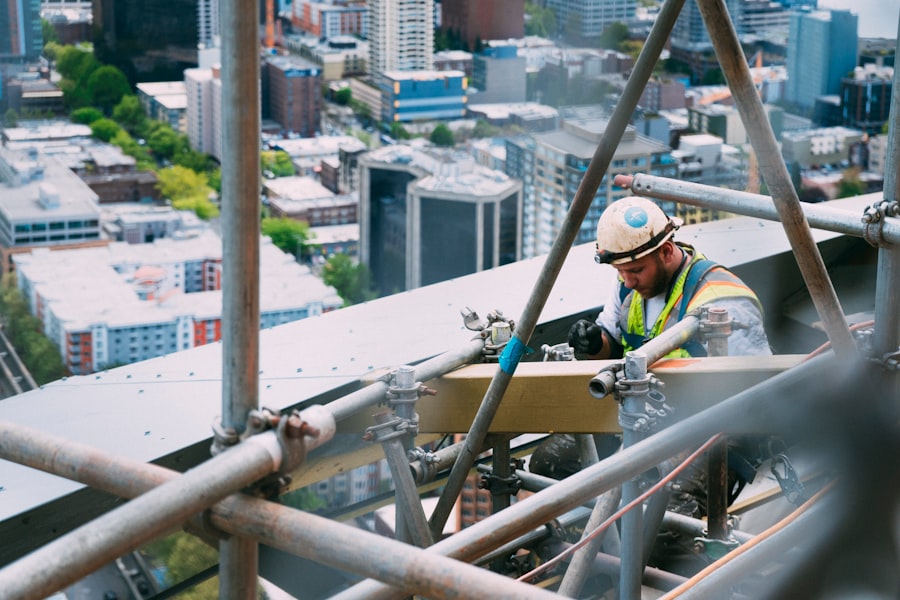
The permitting process is a critical aspect of any construction project, but it can also be a source of significant delays. Obtaining the necessary permits involves navigating a complex web of regulations and approvals from various governmental agencies. Each jurisdiction has its own set of rules and requirements, which can vary widely depending on the type of project and its location.
For example, a commercial building may require multiple permits related to zoning, environmental impact, and safety inspections, each of which can take weeks or even months to secure. Inspection delays can further complicate the permitting process. Once construction begins, various inspections must be conducted at different stages to ensure compliance with local codes and regulations.
If inspectors are unavailable or if there are discrepancies in the work being performed, this can lead to additional delays as contractors must address any issues before moving forward. In some cases, projects may be halted entirely until inspections are completed and approvals are granted. This not only extends the timeline but can also lead to increased costs as contractors must manage their resources and schedules around these unpredictable delays.
Changes in Design Plans
Changes in design plans are another common source of delays in construction projects. These alterations can arise from various factors, including client requests, regulatory changes, or new insights gained during the construction process. For instance, a client may decide to modify the layout of a building after seeing initial designs, which can necessitate a complete redesign of certain elements.
Such changes often require additional time for architects and engineers to revise plans and obtain new approvals from relevant authorities. Moreover, design changes can have a domino effect on other aspects of the project. If a new design requires different materials or structural elements, this may lead to further delays in material procurement and scheduling conflicts with subcontractors who have already committed to other tasks.
Additionally, changes made late in the construction process can be particularly disruptive; they may require rework on completed sections of the project, leading to increased labor costs and potential disputes over responsibility for those costs. Effective communication and thorough planning are essential to minimize the impact of design changes on project timelines.
Weather-related Setbacks
Weather-related setbacks are an inevitable part of construction projects, particularly those that involve outdoor work. Adverse weather conditions such as heavy rain, snowstorms, or extreme temperatures can halt progress and create unsafe working environments for laborers. For example, pouring concrete during freezing temperatures can compromise its integrity, necessitating delays until conditions improve.
Similarly, heavy rainfall can lead to site flooding, making it impossible for crews to work safely or effectively. The unpredictability of weather patterns means that contractors must build flexibility into their schedules to accommodate potential delays. This often involves careful planning and risk assessment during the project’s initial phases.
For instance, contractors may choose to schedule critical outdoor work during seasons known for milder weather or invest in protective measures such as temporary shelters to mitigate weather-related disruptions. However, despite best efforts at planning, unexpected weather events can still occur, leading to significant delays that impact overall project timelines and budgets.
Contractor Availability
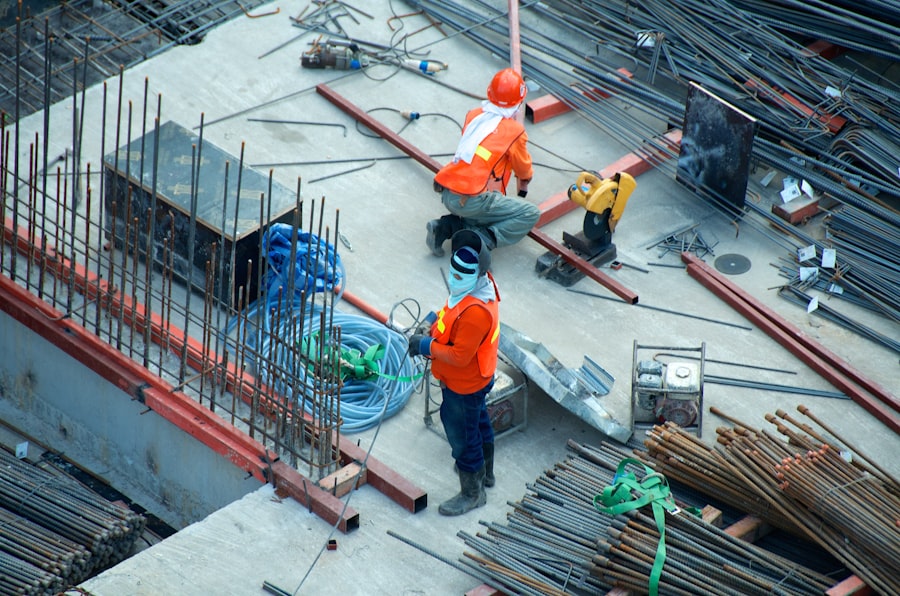
The availability of skilled contractors is crucial for maintaining momentum on construction projects. A shortage of qualified labor can lead to significant delays as contractors struggle to find workers with the necessary skills and experience. This issue has become increasingly pronounced in recent years due to a combination of factors including an aging workforce, increased demand for construction services, and a lack of training programs for new workers entering the field.
As a result, contractors may find themselves unable to meet project deadlines if they cannot secure enough skilled labor. Additionally, contractor availability is often influenced by market conditions and competition for resources. During periods of high demand for construction services—such as during economic booms—contractors may be stretched thin as they juggle multiple projects simultaneously.
This can lead to scheduling conflicts where subcontractors are unable to commit to new work until their existing obligations are fulfilled. Consequently, project managers must be proactive in securing contractor commitments early in the planning process and maintaining open lines of communication throughout the project lifecycle to minimize disruptions caused by contractor availability issues.
Unexpected Plumbing or Electrical Problems
Unexpected plumbing or electrical problems can arise at any stage of a construction project and often require immediate attention to avoid further complications. These issues may stem from outdated systems in renovation projects or from unforeseen complications in new builds where existing infrastructure is not adequately documented.
Addressing these unexpected problems often requires collaboration between various tradespeople and specialists, which can complicate scheduling and lead to additional delays. If plumbing issues arise after walls have been closed up or electrical systems have been installed, it may require tearing out completed work to access problem areas. This not only extends timelines but also increases costs as labor and materials must be allocated to fix these issues rather than progressing with planned work.
Effective communication among all parties involved is essential for quickly identifying solutions and minimizing disruptions caused by plumbing or electrical problems.
Client Indecision or Change Requests
Client indecision or frequent change requests can significantly hinder the progress of construction projects. Clients may struggle with decisions regarding design elements, materials, or overall project scope due to various factors such as budget constraints or evolving preferences. This indecision can lead to delays as contractors wait for final approvals before proceeding with critical phases of construction.
For instance, if a client is unsure about the choice of flooring materials and requests multiple samples before making a decision, this can stall progress on interior finishes. Moreover, change requests made after work has commenced can create additional complications. Each change typically requires reevaluation of plans and schedules, potentially leading to rework on completed sections of the project.
This not only impacts timelines but also raises questions about cost responsibility; clients may not fully understand how their requests affect overall budgets and timelines until they see the implications unfold in real-time. To mitigate these challenges, clear communication and thorough documentation throughout the planning process are essential in helping clients make informed decisions while minimizing disruptions to the construction schedule.
If you are considering a bathroom remodel in Dumbo, Brooklyn, it is important to be aware of potential timeline disruptors that could delay your project. One key renovation strategy to revitalize your home is highlighted in an article titled com/revitalize-your-home-key-renovation-strategies/’>Revitalize Your Home: Key Renovation Strategies.
Additionally, if you are looking to add a basement bar lounge to your home, you may want to check out Basement Bar Lounge Installations for inspiration. And for functional enhancements and smart renovations that can help streamline your project, consider reading Functional Enhancements: Smart Renovations. These articles can provide valuable insights to help you avoid potential delays and ensure a successful bathroom remodel in Dumbo.
FAQs
What are some common timeline disruptors to avoid in Brooklyn bathroom remodeling projects?
Some common timeline disruptors to avoid in Brooklyn bathroom remodeling projects include delays in obtaining necessary permits, unexpected structural issues, material delivery delays, and changes in design plans.
How can delays in obtaining necessary permits disrupt the timeline of a bathroom remodeling project in Brooklyn?
Delays in obtaining necessary permits can disrupt the timeline of a bathroom remodeling project in Brooklyn by causing construction to be put on hold, which can lead to increased project duration and additional costs.
What are some examples of unexpected structural issues that can disrupt the timeline of a bathroom remodeling project in Brooklyn?
Examples of unexpected structural issues that can disrupt the timeline of a bathroom remodeling project in Brooklyn include plumbing or electrical problems, mold or water damage, and issues with the existing foundation or walls.
How can material delivery delays impact the timeline of a bathroom remodeling project in Brooklyn?
Material delivery delays can impact the timeline of a bathroom remodeling project in Brooklyn by causing construction to be delayed, which can lead to increased project duration and additional costs.
What should be done to avoid changes in design plans disrupting the timeline of a bathroom remodeling project in Brooklyn?
To avoid changes in design plans disrupting the timeline of a bathroom remodeling project in Brooklyn, it is important to have a clear and detailed plan in place before construction begins, and to communicate effectively with the contractor to minimize the need for design changes.