
The brownstone style is an architectural hallmark that emerged in the mid-19th century, particularly in urban areas of the northeastern United States. Characterized by its distinctive brown sandstone facade, this style is often associated with the row houses that line the streets of cities like New York, Boston, and Philadelphia. The material itself, brownstone, is a type of sandstone that was quarried in the region and became a favored building material due to its durability and aesthetic appeal.
The rich, warm tones of brownstone lend a sense of elegance and history to the structures, making them highly sought after in the real estate market. Beyond the material, the brownstone style is defined by its architectural features. These homes typically boast high ceilings, large windows, and intricate moldings that reflect the craftsmanship of the era.
The stoop, or front steps leading to the entrance, is another iconic element, often adorned with wrought iron railings and decorative details. Inside, many brownstones feature original hardwood floors, fireplaces, and spacious layouts that were designed to accommodate families during a time when urban living was on the rise. Understanding these characteristics is essential for anyone looking to buy, renovate, or build a brownstone-style home.
Key Takeaways
- Brownstone style is characterized by its iconic brownstone facades, classic architectural details, and historical charm.
- The right location for a brownstone should offer a balance of convenience, neighborhood charm, and potential for property value appreciation.
- Designing the layout and facade of a brownstone requires careful consideration of historical preservation guidelines and the unique needs of modern living.
- Selecting materials and finishes for a brownstone should prioritize durability, authenticity, and aesthetic appeal to maintain its historical integrity.
- Working with a skilled architect and contractor is essential for successfully executing the renovation or restoration of a brownstone while adhering to historical and structural requirements.
Finding the Right Location
When considering a brownstone-style home, location is paramount. The charm of a brownstone is often intertwined with its urban setting, so selecting a neighborhood that embodies the spirit of this architectural style is crucial. Areas with historical significance or those that have undergone revitalization can offer the perfect backdrop for a brownstone.
Neighborhoods like Brooklyn’s Park Slope or Manhattan’s Upper West Side are prime examples where brownstones thrive amidst vibrant communities filled with parks, shops, and cultural institutions. Moreover, proximity to public transportation and amenities can significantly enhance the appeal of a brownstone location. Buyers should consider how easy it is to access subway lines or bus routes, as well as nearby schools, grocery stores, and recreational spaces.
A location that balances historical charm with modern conveniences will not only enrich the living experience but also serve as a wise investment over time. The right neighborhood can elevate the allure of a brownstone home, making it a desirable place to live for families and professionals alike.
Designing the Layout and Facade

The design of a brownstone’s layout and facade plays a pivotal role in capturing its essence while accommodating modern living needs. Traditional brownstones often feature a parlor floor that serves as the main living area, with bedrooms located on upper levels. This layout allows for an open and inviting space on the main floor while providing privacy in the sleeping quarters above.
When designing a new brownstone or renovating an existing one, it’s essential to consider how to maximize natural light and airflow throughout these spaces. The facade of a brownstone is equally important in maintaining its historical character. While many homeowners may wish to modernize their interiors, preserving the exterior’s architectural integrity is vital.
This can involve restoring original details such as cornices, window frames, and doorways while ensuring that any new additions harmonize with the existing structure. A well-designed facade not only enhances curb appeal but also pays homage to the rich history of brownstone architecture.
Selecting Materials and Finishes
Choosing the right materials and finishes is crucial in both new constructions and renovations of brownstone-style homes. Authenticity is key; therefore, sourcing materials that reflect the original construction methods can help maintain the home’s historical integrity.
In addition to traditional materials, homeowners may want to incorporate modern finishes that enhance comfort and efficiency without detracting from the home’s character. For example, energy-efficient windows can be installed that mimic the look of original designs while providing better insulation. Similarly, selecting paint colors that are historically accurate can help preserve the aesthetic while allowing for personal expression.
The balance between historical fidelity and contemporary convenience is essential in creating a cohesive design that honors the past while embracing the present.
Working with a Skilled Architect and Contractor
Engaging with a skilled architect and contractor is paramount when embarking on a brownstone project. An architect experienced in historical preservation can provide invaluable insights into maintaining the integrity of the structure while accommodating modern needs. They can help navigate design challenges specific to brownstones, such as maximizing space in narrow layouts or integrating contemporary amenities without compromising historical features.
Choosing a contractor who understands both traditional craftsmanship and modern building techniques is equally important. A contractor familiar with brownstone renovations will be adept at working with materials like brownstone itself and will understand the nuances involved in restoring or replicating period details. Collaboration between the homeowner, architect, and contractor ensures that every aspect of the project aligns with both aesthetic goals and practical requirements.
Navigating Permits and Zoning Regulations
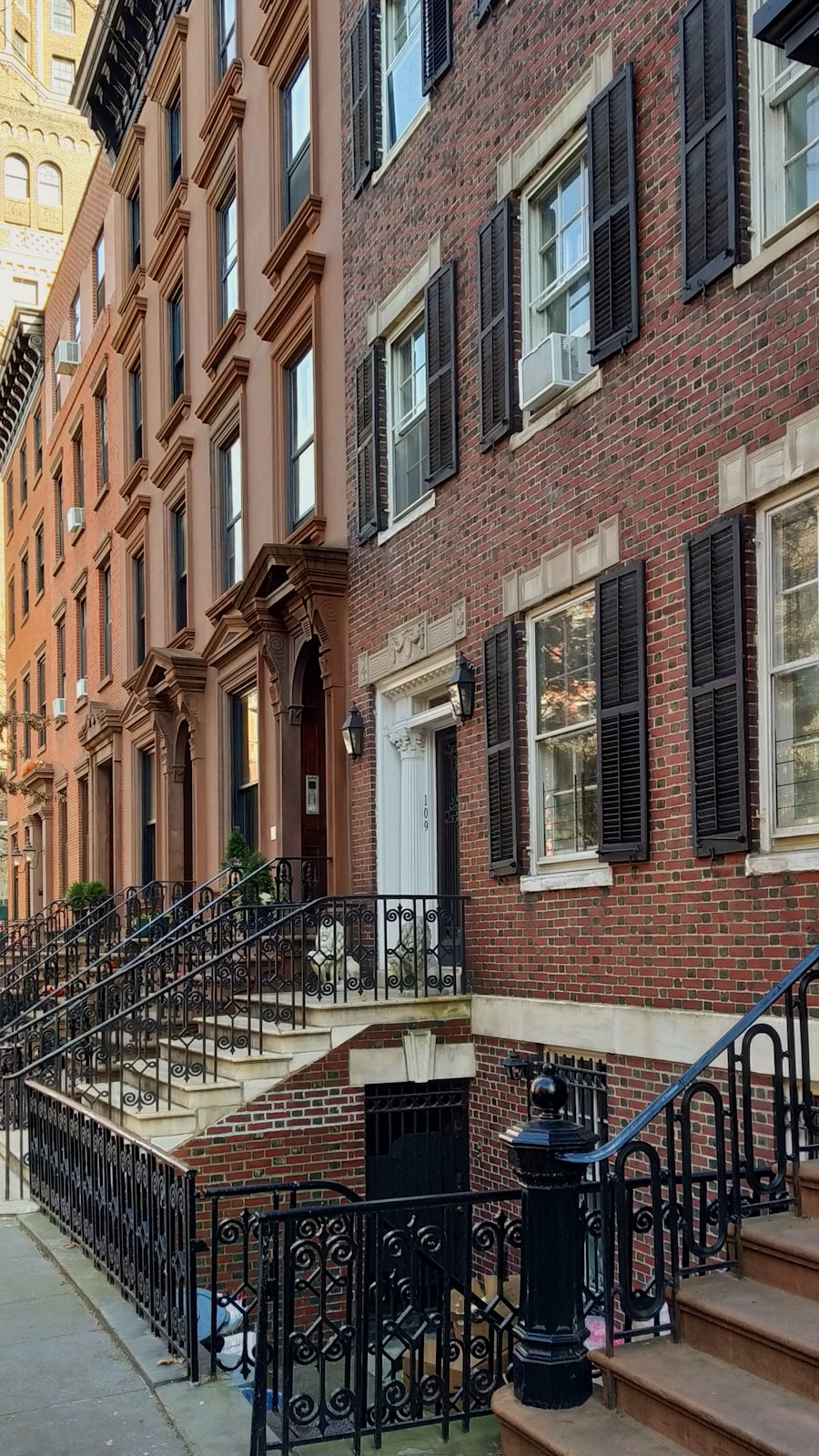
Before embarking on any renovation or construction project involving a brownstone, it is essential to navigate local permits and zoning regulations. Many brownstones are located in historic districts where specific guidelines govern alterations to maintain architectural integrity. Understanding these regulations can prevent costly delays or legal issues down the line.
Homeowners should begin by consulting with local zoning boards or historic preservation societies to determine what permits are required for their project. This may include approvals for exterior changes, structural modifications, or even interior renovations that could impact historical features. Engaging professionals who are familiar with local regulations can streamline this process and ensure compliance with all necessary codes.
Incorporating Modern Amenities and Features
While preserving historical elements is crucial in a brownstone renovation, incorporating modern amenities can significantly enhance comfort and livability. Homeowners today expect features such as updated kitchens and bathrooms, energy-efficient heating and cooling systems, and smart home technology. Striking a balance between these modern conveniences and traditional aesthetics requires thoughtful planning.
For instance, an open-concept kitchen can be designed to blend seamlessly with the original architecture by using cabinetry that reflects period styles or incorporating vintage-inspired appliances. Similarly, bathrooms can feature contemporary fixtures while utilizing classic tile patterns or vintage vanities to maintain continuity with the home’s character. By thoughtfully integrating modern amenities into a brownstone’s design, homeowners can enjoy contemporary comforts without sacrificing historical charm.
Maintaining the Historical Integrity
Maintaining the historical integrity of a brownstone is not merely about preserving its physical structure; it also involves honoring its story and significance within the community. Homeowners should approach renovations with respect for the building’s history, considering how changes will impact its character and relationship to surrounding structures. Regular maintenance is essential in preserving a brownstone’s integrity over time.
This includes routine inspections of the facade for signs of wear or damage, ensuring that original features are repaired rather than replaced whenever possible. Engaging with local historical societies can provide resources and guidance on best practices for maintaining these unique homes. By prioritizing preservation efforts, homeowners contribute to the ongoing legacy of brownstones as vital components of urban history while enjoying their beauty and functionality in contemporary life.
If you are interested in building a brownstone-style home from scratch like the Duplex New Build Brooklyn, you may want to check out ESG Builders Ltd. They specialize in creating custom homes and have a hardware store where you can find all the materials you need for your project. Additionally, they have an article on incorporating retro styles into modern homes, which could provide some inspiration for your brownstone design. Visit ESG Builders Ltd for more information.
FAQs
What is a brownstone-style home?
A brownstone-style home is a type of townhouse characterized by its brownstone facade, typically found in urban areas like Brooklyn, New York. These homes are known for their distinctive architectural features, such as ornate detailing, stoops, and large windows.
What is a duplex new build?
A duplex new build refers to a residential building that contains two separate living units, typically stacked on top of each other. Each unit has its own entrance and may span multiple floors.
What are the key features of a brownstone-style home?
Key features of a brownstone-style home include a brownstone facade, ornate detailing, stoops leading to the main entrance, large windows, and often, a garden or backyard.
What are the steps involved in building a brownstone-style home from scratch?
Building a brownstone-style home from scratch involves several key steps, including securing the necessary permits, designing the home to fit the desired aesthetic and functionality, selecting materials and finishes, and working with contractors and builders to bring the design to life.
What are some considerations when building a brownstone-style home in Brooklyn?
Considerations when building a brownstone-style home in Brooklyn include adhering to local building codes and regulations, preserving the historic character of the neighborhood, and working with architects and builders experienced in brownstone construction.
What are the benefits of building a brownstone-style home from scratch?
Building a brownstone-style home from scratch allows for customization and personalization, ensuring that the home meets the specific needs and preferences of the homeowner. It also provides the opportunity to incorporate modern amenities while preserving the classic charm of a brownstone.