
Embarking on an eco-friendly kitchen remodel requires a thoughtful approach that prioritizes sustainability from the very beginning. The planning phase is crucial, as it sets the foundation for the entire project. Start by assessing your current kitchen layout and identifying areas that can be improved for both functionality and environmental impact.
Consider how you use your kitchen daily; this will help you design a space that not only meets your needs but also minimizes waste and energy consumption. For instance, if you find yourself frequently cooking with multiple appliances, it may be beneficial to create a more open layout that allows for better workflow and reduces the need for excessive energy use. In addition to functionality, the design of your kitchen should reflect eco-friendly principles.
This can include choosing a color palette that incorporates natural hues, which can create a calming atmosphere while reducing the need for artificial lighting. Incorporating natural light through larger windows or skylights can also enhance the space, making it feel more inviting while decreasing reliance on electricity during daylight hours. Furthermore, consider integrating elements such as reclaimed wood for cabinetry or countertops made from recycled materials.
These choices not only contribute to a unique aesthetic but also support sustainable practices by reducing the demand for new resources.
Key Takeaways
- Plan and design your eco-friendly kitchen remodel with a focus on energy efficiency and sustainable materials.
- Find sustainable materials and appliances for your Brooklyn kitchen remodel by researching local suppliers and eco-friendly brands.
- Hire eco-friendly contractors and builders for your kitchen remodel who have experience with green building practices.
- Obtain permits and approvals for your eco-friendly kitchen remodel in Brooklyn by working with local authorities and ensuring compliance with green building codes.
- Manage waste and recycling during your kitchen remodel by implementing a waste management plan and recycling materials whenever possible.
Finding Sustainable Materials and Appliances for Your Brooklyn Kitchen Remodel
Sustainable Countertop Options
For countertops, consider options like bamboo, which is a rapidly renewable resource, or recycled glass, which can add a stunning visual element while diverting waste from landfills.
Responsibly Sourced Wood Products
Additionally, look for certifications such as the Forest Stewardship Council (FSC) label when choosing wood products, ensuring that they come from responsibly managed forests.
Energy-Efficient Appliances
Appliances play a critical role in the sustainability of your kitchen. Energy-efficient appliances not only reduce energy consumption but can also lead to significant savings on utility bills over time. Look for appliances with the ENERGY STAR label, which indicates they meet strict energy efficiency guidelines set by the U.S. Environmental Protection Agency. Furthermore, consider investing in induction cooktops or convection ovens, which are known for their efficiency and ability to cook food more evenly while using less energy.
Hiring Eco-Friendly Contractors and Builders for Your Kitchen Remodel

Selecting the right contractors and builders is essential for ensuring that your eco-friendly kitchen remodel is executed effectively. Start by researching local professionals who specialize in sustainable building practices. Look for contractors who have experience with green building certifications such as LEED (Leadership in Energy and Environmental Design) or those who are members of organizations like the U.S.
Green Building Council. These credentials indicate a commitment to environmentally responsible construction methods and materials. When interviewing potential contractors, ask about their approach to sustainability.
Inquire about their experience with eco-friendly materials and their strategies for minimizing waste during construction. A reputable contractor should be able to provide examples of past projects that align with your vision for an eco-friendly kitchen.
Obtaining Permits and Approvals for Your Eco-Friendly Kitchen Remodel in Brooklyn
Navigating the permitting process in Brooklyn can be complex, especially when undertaking a remodel that incorporates eco-friendly elements. Before starting your project, familiarize yourself with local building codes and regulations that may affect your plans. The New York City Department of Buildings (DOB) provides resources and guidelines that can help you understand what permits are necessary for your kitchen remodel.
Depending on the scope of your project, you may need permits for plumbing, electrical work, or structural changes. In addition to standard permits, consider how your eco-friendly choices may influence the approval process. For example, if you plan to install solar panels or make significant changes to your home’s energy systems, additional approvals may be required.
Engaging with a contractor who has experience in navigating these regulations can streamline the process and ensure compliance with all local laws. It’s essential to keep thorough documentation of all permits and approvals obtained throughout the project to avoid any potential issues down the line.
Managing Waste and Recycling During Your Kitchen Remodel
A significant aspect of an eco-friendly kitchen remodel is managing waste effectively throughout the construction process. Traditional remodeling projects often generate substantial amounts of debris, but with careful planning, you can minimize this impact on the environment. Start by creating a waste management plan that outlines how different materials will be disposed of or recycled.
Many local recycling centers accept construction materials such as wood, metal, and concrete, so research options available in Brooklyn. During the demolition phase of your remodel, consider salvaging items that can be reused or repurposed rather than simply discarding them. For instance, cabinets in good condition can be refinished or donated to organizations like Habitat for Humanity ReStores, which sell them to fund housing projects.
Additionally, setting up designated bins on-site for different types of waste—such as recyclables, compostables, and landfill items—can help ensure that materials are sorted correctly and disposed of responsibly.
Installing Energy-Efficient Lighting and Appliances in Your Eco-Friendly Kitchen
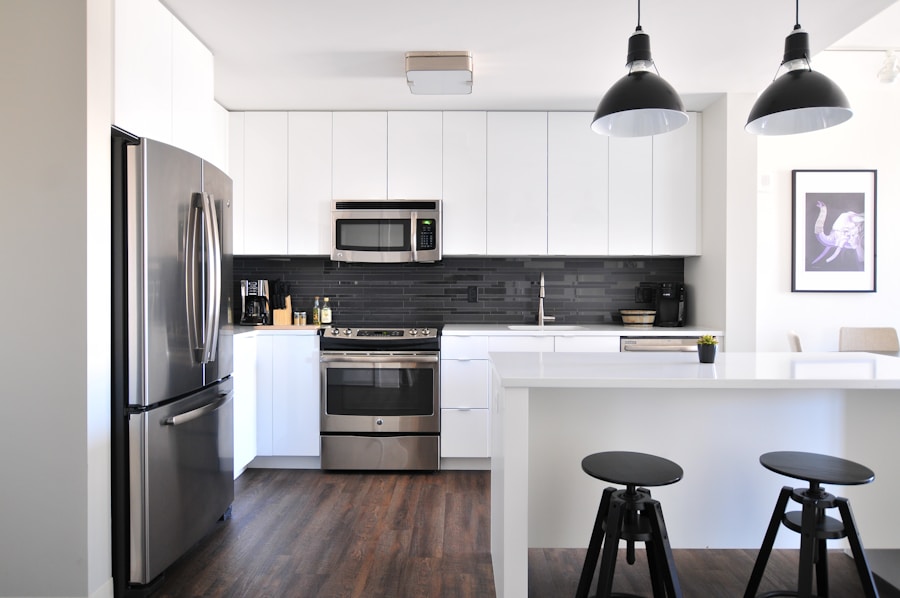
Energy-Efficient Lighting Options
LED bulbs are an excellent choice due to their long lifespan and low energy usage compared to traditional incandescent bulbs.
Energy-Efficient Appliances
In addition to lighting, installing energy-efficient appliances is vital for creating an eco-friendly kitchen environment. Look for appliances that not only carry the ENERGY STAR label but also feature advanced technologies designed to optimize energy use.
Advanced Technologies for Enhanced Efficiency
For example, some modern refrigerators come equipped with smart sensors that adjust cooling levels based on usage patterns, further enhancing efficiency. By investing in these technologies upfront, you can significantly reduce your kitchen’s overall energy consumption while enjoying the benefits of modern conveniences.
Incorporating Green and Sustainable Design Elements into Your Brooklyn Kitchen Remodel
The design elements you choose for your kitchen can significantly impact its sustainability profile. One effective way to incorporate green design is through the use of natural materials that are both aesthetically pleasing and environmentally friendly. For instance, consider using stone tiles made from recycled materials or countertops crafted from sustainable sources like reclaimed wood or recycled concrete.
These choices not only enhance the visual appeal of your kitchen but also contribute to a lower carbon footprint. Another important aspect of sustainable design is water conservation. Installing low-flow faucets and fixtures can dramatically reduce water usage without sacrificing performance.
Additionally, consider integrating a rainwater harvesting system or greywater recycling system into your kitchen design if space allows; these systems can help reduce reliance on municipal water supplies while promoting responsible water management practices.
Completing Your Eco-Friendly Kitchen Remodel on Time and Within Budget
Completing an eco-friendly kitchen remodel within budget and on schedule requires diligent planning and effective project management. Establishing a clear budget at the outset is essential; this should include not only material costs but also labor expenses and any potential contingencies for unexpected issues that may arise during construction. Be transparent with your contractor about your budget constraints so they can help identify cost-effective solutions without compromising on sustainability.
To keep your project on track, create a detailed timeline that outlines each phase of the remodel—from design and material selection to installation and final inspections. Regular check-ins with your contractor can help ensure that progress is being made according to schedule and allow you to address any concerns promptly. By maintaining open lines of communication and being proactive about potential challenges, you can navigate the complexities of your eco-friendly kitchen remodel while achieving your goals within both time and budget constraints.
If you’re considering an eco-friendly kitchen remodel in Brooklyn, you may also want to check out ESG Builders Ltd’s blog post on “Timeline Tips for a Smooth Brooklyn Kitchen Remodel.” This article offers valuable insights and strategies for ensuring your renovation project stays on track and runs smoothly. You can read more about it here. Additionally, ESG Builders Ltd also provides pricing information for their services, which can be found here. For more renovation strategies to revitalize your home, be sure to visit this link.
FAQs
What is eco-friendly kitchen remodeling?
Eco-friendly kitchen remodeling involves using sustainable materials, energy-efficient appliances, and environmentally friendly practices to reduce the impact on the environment during the remodeling process.
Why is eco-friendly kitchen remodeling important?
Eco-friendly kitchen remodeling is important because it helps to reduce the environmental impact of the remodeling process and creates a healthier living space for homeowners. It also helps to conserve natural resources and reduce energy consumption.
What are some eco-friendly materials and products for kitchen remodeling?
Some eco-friendly materials and products for kitchen remodeling include bamboo flooring, recycled glass countertops, low-VOC paints, energy-efficient appliances, and water-saving fixtures.
What are some tips for a smooth eco-friendly kitchen remodeling timeline?
Some tips for a smooth eco-friendly kitchen remodeling timeline include setting a realistic budget, hiring a reputable contractor, obtaining necessary permits, ordering materials in advance, and planning for potential delays.
How long does an eco-friendly kitchen remodeling project typically take?
The timeline for an eco-friendly kitchen remodeling project can vary depending on the scope of the project, but it typically takes anywhere from 6 to 12 weeks to complete.
What are some common challenges during eco-friendly kitchen remodeling?
Some common challenges during eco-friendly kitchen remodeling include finding sustainable materials within budget, coordinating deliveries of eco-friendly products, and ensuring that the remodeling process adheres to environmentally friendly practices.