
Establishing a realistic budget is the cornerstone of any successful kitchen remodel. It serves as a financial blueprint that guides every decision, from the choice of materials to the selection of appliances. To begin, homeowners should assess their current financial situation, taking into account savings, potential loans, and any other sources of funding.
A comprehensive budget should not only cover the cost of materials and labor but also include a contingency fund—typically around 10-20% of the total budget—to account for unexpected expenses that may arise during the renovation process. This foresight can prevent financial strain and ensure that the project remains on track. Moreover, it is essential to break down the budget into specific categories such as cabinetry, countertops, flooring, and appliances.
By itemizing these costs, homeowners can identify areas where they might be able to cut back or splurge based on their priorities. For instance, if high-quality countertops are a must-have, they might consider opting for more affordable cabinetry. Additionally, researching average costs in the local market can provide valuable insights into what is reasonable and help avoid overspending.
Engaging with professionals or utilizing online budgeting tools can also aid in creating a more accurate financial plan.
Key Takeaways
- Setting a realistic budget is crucial for a successful kitchen remodel
- Prioritize your needs and wants to stay within budget and achieve your goals
- Research and compare different materials and finishes to find the best options for your budget and style
- Choose the right layout and design to maximize functionality and aesthetics in your kitchen
- Find reliable and affordable contractors and suppliers to ensure a smooth and cost-effective remodel
Prioritizing Your Needs and Wants for the Remodel
When embarking on a kitchen remodel, distinguishing between needs and wants is crucial for effective planning. Needs are the essential elements that must be addressed to improve functionality and safety, while wants are the aesthetic enhancements that can elevate the kitchen’s overall appeal. For example, if the current kitchen lacks adequate storage or has outdated appliances that no longer function efficiently, these issues should be prioritized in the remodel.
Homeowners should create a list of these needs, ensuring that they address any critical problems before considering cosmetic upgrades. Once the needs are clearly defined, homeowners can turn their attention to their wants. This might include features such as an island for additional workspace, high-end finishes, or smart technology integration.
It is beneficial to rank these wants in order of importance, as this will help guide decisions if budget constraints arise later in the project. Engaging in discussions with family members can also provide different perspectives on what features are most desirable, ensuring that the final design reflects the collective vision of those who will use the space.
Researching and Comparing Different Materials and Finishes

The selection of materials and finishes plays a pivotal role in both the aesthetic and functional aspects of a kitchen remodel. Homeowners should invest time in researching various options available in the market, considering factors such as durability, maintenance requirements, and cost. For instance, when choosing countertops, options like granite, quartz, and laminate each offer distinct advantages and drawbacks.
Granite is renowned for its natural beauty and durability but requires periodic sealing to maintain its appearance. In contrast, quartz offers a non-porous surface that is easier to maintain but may come at a higher price point. In addition to countertops, flooring choices also warrant careful consideration.
Hardwood floors provide warmth and elegance but can be susceptible to water damage if not properly sealed. On the other hand, tile flooring is highly durable and water-resistant but may feel cold underfoot. By comparing these materials side by side, homeowners can make informed decisions that align with their lifestyle and budget.
Visiting showrooms or home improvement stores can provide tactile experiences with different finishes, allowing homeowners to visualize how each option will look in their space.
Choosing the Right Layout and Design for Your Kitchen
The layout of a kitchen significantly impacts its functionality and flow. When selecting a design, homeowners should consider how they typically use their kitchen and what layout best accommodates those activities. The classic work triangle—comprising the stove, sink, and refrigerator—remains a fundamental principle in kitchen design, as it promotes efficiency by minimizing unnecessary movement between these key areas.
For instance, an open-concept layout may be ideal for families who enjoy entertaining, as it allows for seamless interaction between the kitchen and living spaces. In addition to functionality, aesthetics play a vital role in layout decisions. Homeowners should think about how they want their kitchen to feel—whether cozy and inviting or sleek and modern.
Incorporating elements such as an island or breakfast bar can enhance both usability and visual appeal. Furthermore, considering traffic patterns is essential; ensuring that pathways are clear and that there is enough space for multiple people to work simultaneously can prevent congestion during meal preparation or gatherings.
Finding Reliable and Affordable Contractors and Suppliers
The success of a kitchen remodel often hinges on the quality of contractors and suppliers involved in the project. Homeowners should begin by seeking recommendations from friends or family who have recently completed similar renovations. Online platforms such as Yelp or Angie’s List can also provide valuable insights into local contractors’ reputations through customer reviews.
Once potential candidates are identified, it is crucial to conduct interviews and request quotes from multiple contractors to compare pricing and services offered. In addition to cost considerations, homeowners should evaluate each contractor’s experience and expertise in kitchen remodeling specifically. Checking references and reviewing past projects can provide insight into their workmanship and reliability.
It is also advisable to ensure that contractors are licensed and insured to protect against potential liabilities during the renovation process. Establishing clear communication from the outset regarding timelines, expectations, and payment schedules can further foster a positive working relationship.
Maximizing Space and Storage in Your Kitchen
Customized Storage Solutions
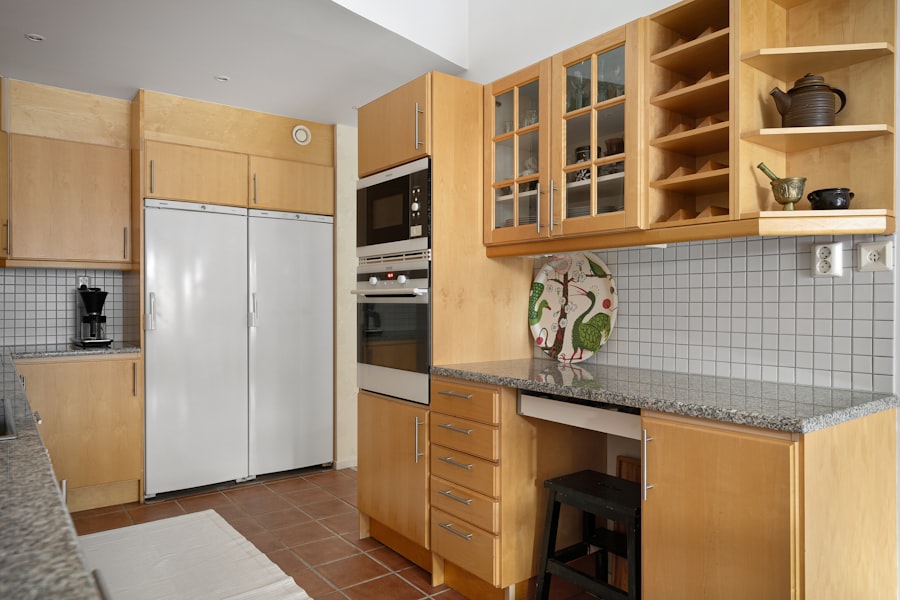
Custom cabinetry can be tailored to fit specific dimensions and needs, allowing for optimal use of vertical space with features like pull-out shelves or deep drawers for pots and pans. This approach enables homeowners to make the most of their kitchen’s space.
Multifunctional Furniture
Incorporating multifunctional furniture can help save space while providing additional utility. For example, an island with built-in shelving or cabinets can serve as both a workspace and storage area. This approach not only saves space but also adds visual interest to the kitchen design.
Thoughtful Planning for a Clutter-Free Kitchen
By thoughtfully considering storage options during the planning phase, homeowners can create a clutter-free environment that enhances both efficiency and enjoyment in their kitchen. This approach enables homeowners to create a kitchen that is both functional and enjoyable to be in.
Incorporating Energy-efficient and Sustainable Features
As environmental awareness continues to grow, many homeowners are prioritizing energy-efficient and sustainable features in their kitchen remodels. This not only contributes to reducing carbon footprints but can also lead to significant savings on utility bills over time. One of the most impactful changes is upgrading to energy-efficient appliances that meet ENERGY STAR standards.
These appliances consume less energy while maintaining high performance levels, making them an excellent investment for long-term savings. In addition to appliances, homeowners can consider incorporating sustainable materials into their kitchen design. For instance, bamboo cabinetry is an eco-friendly option due to its rapid growth cycle compared to traditional hardwoods.
Furthermore, using low-VOC (volatile organic compounds) paints and finishes can improve indoor air quality while minimizing harmful emissions during renovations. By integrating these energy-efficient features into their remodels, homeowners not only contribute positively to the environment but also create healthier living spaces for themselves and their families.
Updating Appliances for Functionality and Efficiency
The selection of appliances is a critical aspect of any kitchen remodel, as they directly impact both functionality and efficiency within the space. When updating appliances, homeowners should consider their cooking habits and lifestyle needs. For instance, those who frequently entertain may benefit from investing in a double oven or a larger refrigerator with advanced features like smart technology that allows for remote monitoring of food inventory.
In addition to functionality, energy efficiency should be a top priority when selecting new appliances.
For example, induction cooktops heat up faster than traditional gas or electric stoves while providing precise temperature control—ideal for home chefs looking for efficiency without sacrificing quality.
By carefully evaluating appliance options based on both functionality and energy efficiency, homeowners can create a kitchen that meets their needs while promoting sustainability.
Adding Value with Timeless and High-quality Finishes
When remodeling a kitchen with an eye toward future resale value, selecting timeless finishes is essential. Trends come and go; however, classic materials such as natural stone countertops or hardwood flooring tend to stand the test of time while appealing to a broad range of potential buyers. For example, white cabinetry paired with neutral-colored countertops creates a clean aesthetic that remains popular across various design styles.
In addition to timelessness, investing in high-quality finishes can significantly enhance the overall value of a home. Features such as custom cabinetry with soft-close hinges or high-end fixtures not only improve functionality but also convey a sense of luxury that prospective buyers appreciate. By focusing on quality over quantity when selecting finishes, homeowners can ensure that their kitchen remodel adds lasting value to their property.
Considering Long-term Maintenance and Durability
While aesthetics are important in any kitchen remodel, long-term maintenance and durability should not be overlooked. Homeowners should choose materials that not only look good but also withstand daily wear and tear over time. For instance, quartz countertops offer durability against scratches and stains compared to more porous options like granite or marble that require regular sealing.
Additionally, considering maintenance requirements during the selection process can save time and effort in the long run. For example, opting for easy-to-clean surfaces such as glass backsplashes or stainless steel appliances can simplify upkeep while maintaining a polished appearance. By prioritizing durability and low-maintenance options in their remodels, homeowners can enjoy their kitchens without being burdened by constant upkeep.
Evaluating Return on Investment for Your Kitchen Remodel
Finally, evaluating the return on investment (ROI) for a kitchen remodel is crucial for homeowners looking to enhance their property’s value while enjoying improved functionality. According to various real estate studies, kitchen remodels consistently rank among the top home improvements that yield significant returns when selling a property—often recouping 60-80% of costs depending on the extent of renovations undertaken.
Simple updates like fresh paint or new hardware can make a substantial impact without breaking the bank. By carefully considering both immediate enjoyment and long-term value when planning their remodels, homeowners can create kitchens that serve them well now while also appealing to future buyers down the line.
If you are considering a kitchen remodel in Brooklyn, you may also be interested in learning about the latest home trends in modern upgrades. ESG Builders Ltd offers valuable insights into how to incorporate cutting-edge innovations in hardware technology into your renovation project. Check out their article on Modern Upgrades: Latest Home Trends to stay informed on how to maximize the value of your investment.
FAQs
What is the average cost of a kitchen remodel in Brooklyn?
The average cost of a kitchen remodel in Brooklyn can vary widely depending on the size of the kitchen, the materials used, and the extent of the renovations. However, a mid-range kitchen remodel in Brooklyn typically costs between $25,000 and $50,000.
What are some tips for maximizing the value of a kitchen remodel in Brooklyn?
Some tips for maximizing the value of a kitchen remodel in Brooklyn include focusing on high-impact upgrades such as new countertops and cabinets, choosing durable and timeless materials, and working with a reputable contractor who has experience with Brooklyn homes.
What are some cost-effective ways to update a kitchen in Brooklyn?
Cost-effective ways to update a kitchen in Brooklyn include painting or refacing existing cabinets, installing new hardware, updating lighting fixtures, and adding a fresh coat of paint to the walls. These updates can make a big impact without breaking the bank.
How can homeowners find the best value for their kitchen remodel in Brooklyn?
Homeowners can find the best value for their kitchen remodel in Brooklyn by carefully planning their budget, prioritizing upgrades that will add the most value, and getting multiple quotes from reputable contractors. It’s also important to consider the long-term durability and functionality of the materials and appliances chosen for the remodel.
What are some popular kitchen design trends in Brooklyn?
Some popular kitchen design trends in Brooklyn include open shelving, statement lighting fixtures, mixed materials such as wood and metal, and bold backsplash patterns. Many Brooklyn homeowners also prioritize sustainable and eco-friendly materials in their kitchen remodels.