
The foundation of any successful construction or renovation project lies in meticulous planning and obtaining the necessary permits. In New York City, where regulations can be particularly stringent, understanding the permitting process is crucial. Before any physical work begins, it is essential to outline the project scope clearly.
This includes defining the objectives, timelines, and budget. A well-structured plan not only serves as a roadmap for the project but also helps in identifying potential challenges early on. Engaging with architects or designers during this phase can provide valuable insights into the feasibility of your ideas and ensure that they align with local building codes.
Once the planning phase is complete, the next step is to navigate the complex world of permits. In NYC, various permits may be required depending on the nature of the project—ranging from minor renovations to major construction. For instance, if you are altering the structure of a building, you will likely need a building permit from the Department of Buildings (DOB).
Additionally, if your project involves work on a landmarked property or within a historic district, you may need to secure approvals from the Landmarks Preservation Commission (LPC). Understanding these requirements and applying for permits early can prevent delays and ensure that your project starts on solid ground.
Key Takeaways
- Proper planning and obtaining necessary permits are crucial for a smooth start to any construction project.
- Choosing the right contractor is essential for a reliable and successful partnership throughout the project.
- Streamlining material selection can help avoid delays and keep the construction process on track.
- Effective communication and coordination are key to keeping the project on schedule and within budget.
- Being prepared to handle unforeseen issues is important for overcoming unexpected challenges during construction.
Choosing the Right Contractor: Finding a Reliable Partner for Your Project
Conducting Research
When searching for a contractor, start by asking for recommendations from friends, family, or colleagues who have undertaken similar projects. Online reviews and ratings can also provide insights into a contractor’s reputation and reliability.
Evaluating Potential Contractors
Once you have a shortlist of potential contractors, it is vital to conduct interviews and request detailed estimates. During these discussions, pay attention to their communication style and willingness to address your concerns. A good contractor should be transparent about their processes, timelines, and costs. Additionally, checking their credentials—such as licenses, insurance, and past project portfolios—can help ensure that you are making an informed choice.
Building a Strong Partnership
Establishing a strong rapport with your contractor from the outset can lead to a more collaborative and successful project.
Material Selection: Streamlining the Process to Avoid Delays
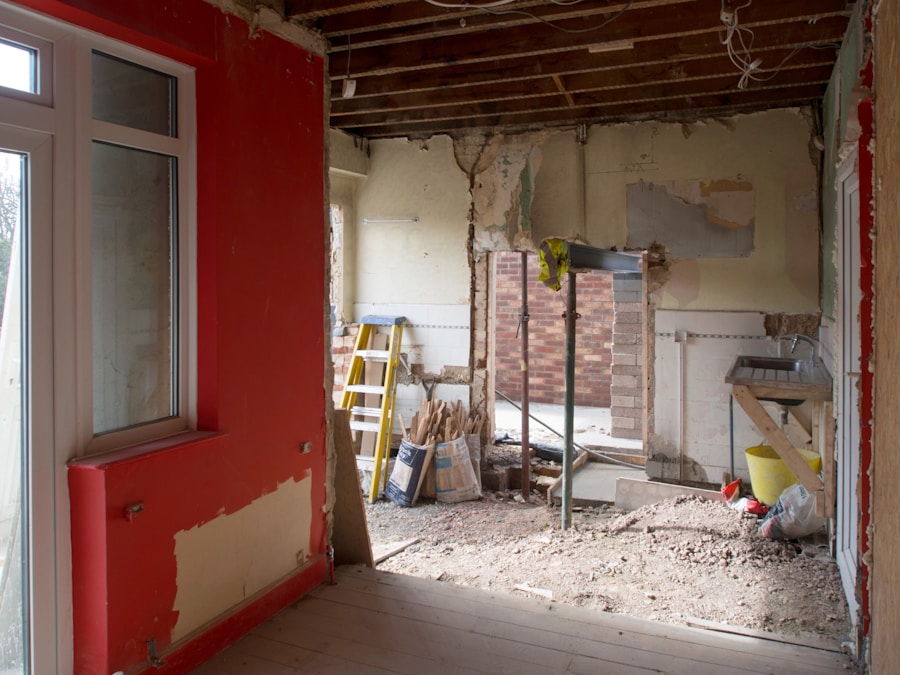
The selection of materials plays a pivotal role in the overall success of a construction or renovation project. Choosing high-quality materials that align with your design vision while also being mindful of budget constraints can be challenging. It is essential to start this process early in the planning phase to avoid delays later on.
Engaging with suppliers and manufacturers can provide insights into lead times for various materials, which is crucial for scheduling purposes. Moreover, considering alternative materials can sometimes lead to cost savings without compromising quality. For example, if you are renovating a kitchen, opting for quartz countertops instead of natural stone can provide a similar aesthetic at a lower price point while also being more durable.
Additionally, it is wise to keep an eye on market trends and availability; certain materials may become scarce or more expensive due to supply chain issues. By proactively selecting materials and establishing relationships with suppliers early on, you can streamline the procurement process and minimize potential disruptions.
Communication and Coordination: Keeping the Project on Track
Effective communication and coordination are vital components in ensuring that a construction project remains on track. Establishing clear lines of communication among all parties involved—including contractors, subcontractors, suppliers, and even neighbors—can help mitigate misunderstandings and foster collaboration. Regular meetings should be scheduled to discuss progress, address concerns, and make necessary adjustments to the project timeline.
Utilizing project management tools can also enhance communication efforts. These tools allow for real-time updates on project status, enabling all stakeholders to stay informed about timelines, changes, and any issues that may arise. For instance, platforms like Trello or Asana can help track tasks and deadlines while providing a centralized location for documentation.
By prioritizing communication and coordination throughout the project lifecycle, you can create an environment conducive to problem-solving and ensure that everyone is aligned toward common goals.
Unforeseen Issues: How to Handle Unexpected Challenges
In any construction or renovation project, unforeseen issues are almost inevitable. Whether it’s discovering structural problems hidden behind walls or encountering delays due to inclement weather, being prepared for these challenges is essential.
For example, setting aside a portion of your budget specifically for unforeseen expenses can provide a financial cushion when surprises arise. Additionally, fostering a problem-solving mindset among your team can facilitate quicker resolutions when challenges occur. Encouraging open dialogue about potential issues allows for collaborative brainstorming of solutions.
For instance, if a critical material is delayed, discussing alternative options with your contractor can help keep the project moving forward without significant setbacks. By approaching unforeseen challenges with adaptability and teamwork, you can navigate obstacles more effectively and maintain momentum throughout your project.
City Regulations and Inspections: Navigating the NYC Red Tape
Project-Specific Requirements
Familiarizing yourself with the specific requirements related to your type of project, whether residential or commercial, can help streamline the process. This knowledge will help you navigate the regulatory framework more efficiently.
Inspections and Compliance
Inspections are a critical aspect of compliance in NYC construction projects. City officials will inspect various stages of construction to ensure that work meets safety standards and adheres to approved plans. Scheduling these inspections in advance is essential, as delays can lead to work stoppages and increased costs.
Maintaining Open Communication
It is advisable to maintain open communication with your contractor regarding inspection timelines and requirements. This will ensure that everyone is prepared when city officials arrive on-site, avoiding any potential delays or issues.
Budget Management: Avoiding Cost Overruns and Delays
Effective budget management is paramount in ensuring that your construction or renovation project remains financially viable. Establishing a comprehensive budget at the outset allows you to allocate funds appropriately across various aspects of the project—from labor costs to materials and permits.
Regularly reviewing financial reports can help identify areas where costs may be exceeding expectations. To avoid cost overruns, consider implementing a system for tracking expenses against your budget in real-time. This could involve using accounting software or spreadsheets that allow you to categorize expenses and compare them against your initial estimates.
Additionally, maintaining an open line of communication with your contractor regarding any changes or unexpected costs can help manage financial expectations effectively. By staying vigilant about budget management throughout the project lifecycle, you can minimize financial surprises and keep your project on track.
Final Touches: Finishing Strong and Avoiding Last-Minute Hiccups
As your construction or renovation project nears completion, attention to detail becomes increasingly important during the final touches phase. This stage often involves installing fixtures, painting walls, and ensuring that everything meets your design vision. It is crucial to create a checklist of final tasks that need to be completed before considering the project finished.
This checklist should include inspections of all work done to ensure quality standards are met. Moreover, coordinating with contractors during this phase is essential to avoid last-minute hiccups that could delay completion. For instance, if certain fixtures or finishes are back-ordered, having alternative options ready can prevent unnecessary delays in finalizing the project.
Additionally, conducting a thorough walkthrough with your contractor before finalizing payments allows you to address any outstanding issues or concerns before they become larger problems down the line. By focusing on these final details and maintaining clear communication with your team, you can ensure a successful conclusion to your project without unnecessary complications.
If you are considering a full home gut renovation in Brooklyn, you may also be interested in reading about custom home builds tailored to your specific architectural needs. ESG Builders Ltd offers personalized solutions for custom home construction, ensuring that your project is completed to your exact specifications. By avoiding timeline delays in NYC gut projects, you can streamline the renovation process and achieve your desired results efficiently. To learn more about ESG Builders Ltd’s portfolio and new construction services, visit their website here.
FAQs
What is a full home gut renovation?
A full home gut renovation involves completely stripping a home down to its structural elements and rebuilding it from scratch. This typically includes replacing all major systems such as plumbing, electrical, and HVAC, as well as updating the layout and design of the home.
What are some common causes of timeline delays in NYC gut projects?
Common causes of timeline delays in NYC gut projects include obtaining necessary permits, unexpected structural issues, material shortages, changes in design plans, and inclement weather.
How can I avoid timeline delays in a full home gut renovation in Brooklyn?
To avoid timeline delays in a full home gut renovation in Brooklyn, it is important to work with experienced professionals, have a detailed and realistic project timeline, secure all necessary permits in advance, and have a contingency plan in place for unexpected issues.
What are some tips for managing a full home gut renovation timeline in NYC?
Tips for managing a full home gut renovation timeline in NYC include regular communication with the project team, proactive problem-solving, staying organized with materials and scheduling, and being flexible and adaptable when unexpected issues arise.
How long does a full home gut renovation in Brooklyn typically take?
The timeline for a full home gut renovation in Brooklyn can vary depending on the size and scope of the project, but it can range from several months to over a year. It is important to work with a reputable contractor to get a realistic timeline for your specific project.