
The foundation of any successful construction or renovation project lies in meticulous planning and budgeting. Before embarking on any physical work, it is essential to define the scope of the project clearly. This involves identifying the specific goals, whether it’s a complete home renovation, an addition, or a simple remodel of a single room.
A well-defined scope not only helps in visualizing the end result but also serves as a guide for all subsequent decisions. For instance, if the goal is to create an open-concept living space, one must consider how this will affect the existing structure, including load-bearing walls and overall flow. Budgeting is equally critical and should be approached with a realistic mindset.
It is advisable to create a detailed budget that encompasses all potential costs, including materials, labor, permits, and unexpected expenses. A common rule of thumb is to add an additional 10-20% to the estimated budget to account for unforeseen circumstances. For example, during a kitchen remodel, hidden issues such as outdated plumbing or electrical systems may surface, necessitating additional funds.
By preparing for these contingencies, homeowners can avoid financial strain and ensure that the project progresses smoothly without unnecessary delays.
Key Takeaways
- Proper planning and budgeting are essential for a successful construction project
- Hiring a reputable and experienced contractor is crucial for quality work and timely completion
- Understanding and obtaining the necessary permits and adhering to regulations is important to avoid legal issues
- Thoughtful design and layout considerations can greatly enhance the functionality and aesthetics of the project
- Careful material selection can impact the durability, sustainability, and overall look of the construction
- Demolition and construction should be carried out with safety and efficiency in mind
- Plumbing and electrical work should be done by licensed professionals to ensure safety and compliance with building codes
- The final touches and finishing up stage can greatly impact the overall look and feel of the project
Hiring a Contractor
Seeking Recommendations and Online Reviews
Start by seeking recommendations from friends, family, or colleagues who have recently undertaken similar projects. Online reviews and ratings can also provide valuable insights into a contractor’s reputation and reliability.
Interviewing Potential Candidates
Once you have a shortlist of potential contractors, it is advisable to interview them to gauge their experience, communication style, and approach to project management. During the interview process, it is essential to ask for references and examples of previous work.
Establishing Clear Expectations
A reputable contractor should be willing to provide a portfolio showcasing their past projects, which can help in assessing their style and quality of work. Discussing timelines and payment structures upfront can prevent misunderstandings later on. Establishing clear expectations from the outset fosters a collaborative relationship and sets the stage for a successful partnership.
Permits and Regulations
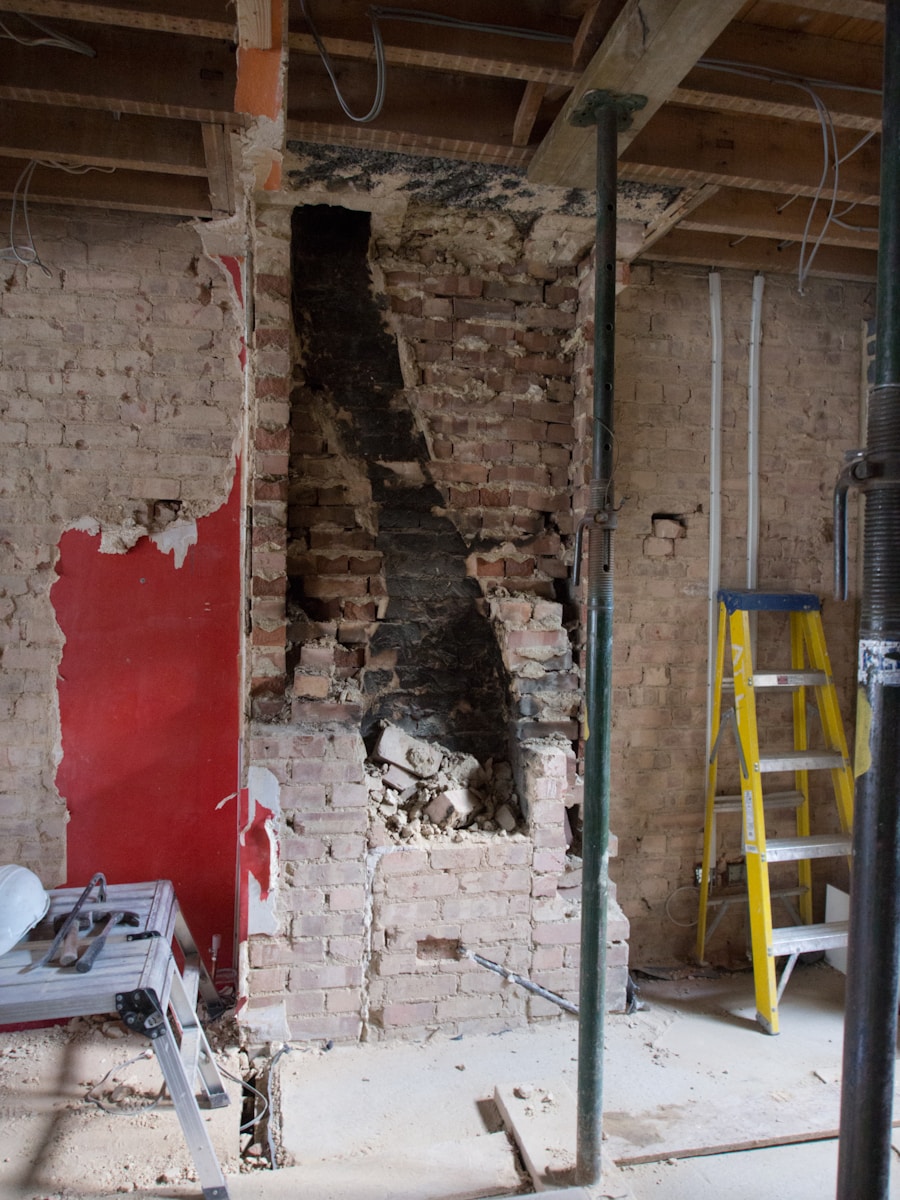
Navigating the maze of permits and regulations is a critical step in any construction or renovation project. Local building codes dictate what is permissible in terms of construction practices, materials used, and safety standards. Failing to adhere to these regulations can result in fines, delays, or even the need to redo work that does not meet code requirements.
Therefore, it is essential to familiarize oneself with local laws before commencing any work. This may involve visiting municipal offices or consulting with professionals who specialize in local regulations. Obtaining the necessary permits is another vital aspect of compliance.
Depending on the scope of the project, various permits may be required, such as building permits, electrical permits, or plumbing permits. The application process can vary significantly from one jurisdiction to another; some areas may have streamlined processes while others may require extensive documentation and inspections. For example, if you are planning to add a deck to your home, you may need to submit detailed plans that outline dimensions, materials, and structural integrity.
Engaging with local authorities early in the planning phase can help clarify requirements and expedite the approval process.
Design and Layout
The design and layout phase is where creativity meets functionality. This stage involves translating ideas into tangible plans that reflect both aesthetic preferences and practical needs. Homeowners should consider how they want their space to function daily while also thinking about long-term usability.
For instance, in designing a kitchen, one might prioritize an efficient workflow by placing the stove, sink, and refrigerator in a triangular layout known as the kitchen work triangle. This design principle enhances efficiency and makes cooking more enjoyable. In addition to functionality, aesthetics play a crucial role in design decisions.
Homeowners should consider their personal style and how it aligns with the overall architecture of their home. Whether opting for a modern minimalist look or a cozy rustic feel, selecting colors, textures, and finishes that resonate with personal taste is essential. Utilizing design software or hiring an interior designer can help visualize the space before construction begins.
For example, 3D modeling tools allow homeowners to experiment with different layouts and color schemes virtually, providing clarity on how various elements will come together in the final design.
Material Selection
Choosing the right materials is pivotal in achieving both durability and aesthetic appeal in any construction project. The selection process should take into account not only personal preferences but also factors such as climate, maintenance requirements, and budget constraints.
Sustainability has also become an increasingly important consideration in material selection. Many homeowners are now opting for eco-friendly materials that reduce environmental impact without compromising quality or style. Bamboo flooring, recycled glass countertops, and low-VOC paints are just a few examples of sustainable choices that are gaining popularity.
Additionally, sourcing materials locally can reduce transportation emissions and support local economies. By carefully considering material choices, homeowners can create spaces that are not only beautiful but also environmentally responsible.
Demolition and Construction

Once planning is complete and materials are selected, the demolition and construction phase begins. This stage often involves tearing down existing structures or elements that no longer serve their purpose. It is crucial to approach demolition with caution; safety measures must be implemented to protect workers and surrounding areas from debris or accidents.
Construction follows demolition and requires careful coordination among various tradespeople such as carpenters, electricians, and plumbers. Effective communication among these professionals is vital to ensure that each aspect of the project aligns with the overall vision.
Regular site meetings can help address any issues that arise during construction promptly. For instance, if unexpected plumbing issues are discovered during wall removal, having all relevant parties present can facilitate quick decision-making on how to proceed without derailing the entire project timeline.
Plumbing and Electrical
Plumbing and electrical work are critical components of any construction project that require specialized knowledge and skills. These systems must be installed according to local codes to ensure safety and functionality. Engaging licensed professionals for these tasks is not only advisable but often legally required; improper installation can lead to serious hazards such as leaks or electrical fires.
During this phase, careful planning is essential to ensure that plumbing fixtures and electrical outlets are strategically placed for optimal use. For example, in a bathroom remodel, positioning outlets near vanities for hairdryers or shavers enhances convenience while ensuring safety by adhering to code requirements regarding moisture-prone areas. Additionally, considering future needs during installation can save time and money down the line; installing extra outlets or plumbing lines can accommodate future renovations without significant disruption.
Final Touches and Finishing Up
As the project nears completion, attention turns to final touches that enhance both functionality and aesthetics. This phase often involves painting walls, installing trim work, adding fixtures like lighting or cabinetry, and ensuring that all systems are operational. It’s important to conduct thorough inspections at this stage; checking for any imperfections or issues that need addressing before finalizing the project can save headaches later on.
The finishing touches also provide an opportunity for personalization within the space. Homeowners might choose decorative elements such as artwork or furniture that reflect their style while enhancing the overall ambiance of the area. Additionally, landscaping may be considered if outdoor spaces were part of the renovation; planting trees or shrubs can create inviting outdoor environments that complement newly constructed areas.
Ultimately, this final phase transforms a construction site into a livable space that meets both practical needs and personal desires.
If you are considering a gut renovation project in Brooklyn, you may also be interested in reading about how to design, renovate, and revitalize your home. This article offers valuable tips and insights on creating a space that reflects your personal style and meets your needs. Check out Local Basement Remodeler: Creative Uses for Your Basement in a Brooklyn Brownstone