
Apartment gut renovation is a transformative process that involves stripping an existing space down to its bare bones and rebuilding it to meet modern standards and personal preferences. This type of renovation is particularly popular in urban areas where older buildings may not meet contemporary living standards or where residents wish to customize their living spaces extensively. A gut renovation can encompass everything from structural changes, such as moving walls or altering layouts, to aesthetic updates like new flooring, fixtures, and finishes.
The goal is to create a space that not only reflects the owner’s style but also enhances functionality and comfort. The appeal of gut renovations lies in their potential to breathe new life into outdated apartments. In cities like Brooklyn, where many buildings date back several decades, a gut renovation can significantly increase property value while providing a fresh canvas for design.
Homeowners often find that a well-executed gut renovation can yield a return on investment that far exceeds the initial costs, making it an attractive option for those looking to enhance their living environment or prepare a property for sale. However, embarking on such a project requires careful planning, budgeting, and consideration of various factors that can influence both the process and the final outcome.
Key Takeaways
- Apartment gut renovation involves completely stripping down and rebuilding the interior of an apartment, including structural changes, electrical and plumbing work, and aesthetic upgrades.
- Factors that impact the cost of a gut renovation include the size of the apartment, the extent of the renovation, the quality of materials and finishes, and the location of the apartment.
- The average cost of a gut renovation in Brooklyn ranges from 0 to 0 per square foot, depending on the factors mentioned above.
- The cost breakdown of a gut renovation typically includes expenses for demolition, structural work, electrical and plumbing, materials and finishes, and labor.
- Tips for budgeting and saving on a gut renovation include setting a realistic budget, prioritizing necessary upgrades, sourcing materials and finishes wisely, and considering DIY options for certain tasks.
Factors that Impact the Cost of a Gut Renovation
Several factors play a crucial role in determining the overall cost of a gut renovation. One of the most significant is the size of the apartment. Larger spaces naturally require more materials and labor, which can drive up costs.
Additionally, the complexity of the renovation itself—such as whether structural changes are needed or if the plumbing and electrical systems require upgrades—can also impact pricing. For instance, moving a kitchen or bathroom can involve extensive plumbing work, which adds to both labor and material costs. Another critical factor is the quality of materials chosen for the renovation.
High-end finishes, custom cabinetry, and premium appliances can significantly increase expenses. Conversely, opting for more budget-friendly materials can help keep costs down but may affect the overall aesthetic and durability of the finished product. Furthermore, the location of the apartment can influence costs; for example, renovations in high-demand neighborhoods may come with higher labor rates due to increased competition among contractors.
Understanding these factors is essential for homeowners to create a realistic budget and avoid unexpected financial surprises during the renovation process.
Average Cost of a Gut Renovation in Brooklyn
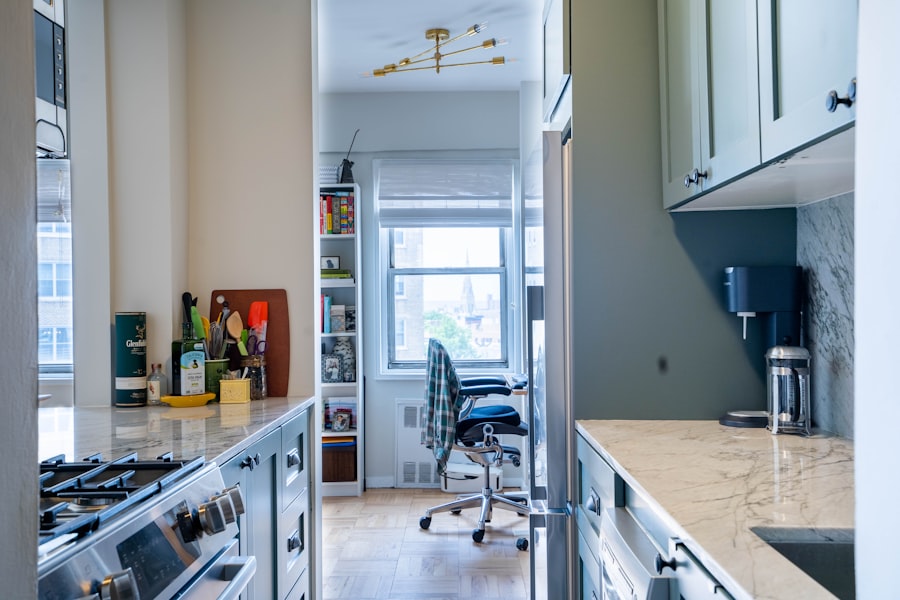
In Brooklyn, the average cost of a gut renovation can vary widely based on several variables, including location, apartment size, and the extent of the work being done. As of 2023, homeowners can expect to pay anywhere from $100 to $300 per square foot for a comprehensive gut renovation. This range reflects differences in labor costs, material choices, and the complexity of the project.
For example, a small studio apartment may cost around $15,000 to $30,000 for a basic gut renovation, while a larger two-bedroom unit could easily exceed $100,000 if high-end finishes and extensive structural changes are involved. Additionally, market trends in Brooklyn can influence renovation costs. As demand for housing continues to rise in this vibrant borough, contractors may charge more due to increased demand for their services.
Homeowners should also consider potential fluctuations in material costs; for instance, supply chain disruptions can lead to price increases for essential materials like lumber or drywall. Therefore, it is advisable for those considering a gut renovation in Brooklyn to conduct thorough research and obtain multiple quotes from contractors to ensure they are getting a fair price.
Cost Breakdown of a Gut Renovation
A detailed cost breakdown is essential for anyone planning a gut renovation, as it helps homeowners understand where their money will be allocated throughout the project. The primary components typically include demolition costs, structural changes, plumbing and electrical work, flooring installation, cabinetry and fixtures, and finishing touches such as paint and decor. Demolition costs can vary based on the size of the apartment and the extent of work required to remove existing structures.
This phase often involves hiring specialized contractors who can safely remove walls, flooring, and fixtures while adhering to local regulations. Following demolition, structural changes may be necessary to create an open floor plan or accommodate new layouts. This stage often requires permits and inspections, which can add to overall costs.
Plumbing and electrical work are critical components that cannot be overlooked during a gut renovation. Upgrading outdated systems ensures safety and compliance with current building codes. Depending on the complexity of these upgrades, costs can range significantly; for instance, relocating plumbing lines or installing new electrical panels may require substantial investment.
Flooring installation is another major expense that varies based on material choice—hardwood floors tend to be more expensive than laminate or vinyl options. Cabinetry and fixtures also represent a significant portion of the budget; custom-built cabinets will generally cost more than pre-fabricated options but offer greater personalization. Finally, finishing touches such as paint, lighting fixtures, and decor should not be underestimated in terms of budget allocation.
These elements contribute significantly to the overall aesthetic appeal of the renovated space and can range from budget-friendly options to high-end designer pieces.
Tips for Budgeting and Saving on a Gut Renovation
Budgeting effectively for a gut renovation requires careful planning and foresight. One of the most effective strategies is to establish a clear budget before beginning any work. This budget should include not only estimated costs but also a contingency fund—typically around 10-20% of the total budget—to account for unexpected expenses that may arise during the renovation process.
Another way to save money is by prioritizing renovations based on necessity versus desire. Homeowners should identify which aspects of their apartment require immediate attention—such as plumbing or electrical systems—and which elements can be deferred until later phases of the project. This approach allows for more manageable spending while still addressing critical issues.
Additionally, sourcing materials wisely can lead to significant savings. Homeowners might consider purchasing materials during sales or exploring local suppliers who offer competitive pricing. Reclaimed materials can also provide unique aesthetic appeal while being more budget-friendly than brand-new options.
Engaging in DIY projects where feasible can further reduce labor costs. While some tasks—such as electrical work or plumbing—should always be left to professionals due to safety concerns, homeowners may find they can handle painting or minor installations themselves. Finally, obtaining multiple quotes from contractors is essential for ensuring competitive pricing.
Homeowners should not hesitate to negotiate terms or seek recommendations from friends or family who have undergone similar renovations.
Hiring the Right Professionals for a Gut Renovation

Selecting qualified professionals is one of the most critical steps in ensuring a successful gut renovation. Homeowners should begin by researching contractors who specialize in gut renovations specifically; this expertise is vital for navigating the complexities involved in such projects. Online reviews, referrals from friends or family, and local trade associations can provide valuable insights into potential candidates.
Once potential contractors have been identified, it’s essential to conduct thorough interviews.
Requesting references from previous clients can also provide insight into their reliability and quality of work.
In addition to general contractors, homeowners may need to hire specialized professionals such as architects or interior designers if significant structural changes are planned or if there’s a desire for tailored design elements. Architects can help create functional layouts that maximize space while adhering to building codes, while interior designers can assist in selecting finishes that align with personal style preferences. It’s also crucial to ensure that all hired professionals are licensed and insured.
This protects homeowners from potential liabilities during construction and ensures that all work meets local building codes.
Potential Challenges and Delays in a Gut Renovation
Embarking on a gut renovation often comes with its share of challenges and potential delays that homeowners must be prepared to navigate. One common issue is obtaining necessary permits from local authorities before construction begins. The permitting process can be time-consuming and may require multiple inspections throughout the project.
Delays in securing permits can push back timelines significantly and lead to frustration among homeowners eager to see progress. Another challenge lies in unforeseen structural issues that may arise once demolition begins. Older buildings often harbor hidden problems such as mold, outdated wiring, or compromised foundations that were not apparent during initial assessments.
Addressing these issues typically requires additional time and financial resources, which can disrupt carefully laid plans. Supply chain disruptions are another factor that has become increasingly relevant in recent years. Global events can lead to shortages of essential materials like lumber or appliances, causing delays in project timelines as homeowners wait for necessary items to arrive.
To mitigate this risk, it’s advisable for homeowners to order materials well in advance whenever possible.
In competitive markets like Brooklyn, finding skilled laborers may take longer than anticipated, leading to delays in project completion.
Effective communication with contractors throughout the renovation process is vital for addressing challenges as they arise. Regular check-ins can help ensure that any issues are promptly identified and resolved before they escalate into larger problems.
Conclusion and Final Considerations for a Gut Renovation
As homeowners contemplate undertaking a gut renovation in Brooklyn or elsewhere, it’s essential to approach the project with careful consideration and planning. Understanding the various factors that influence costs—from size and complexity to material choices—can help create realistic budgets that account for both expected expenses and potential surprises along the way. Engaging qualified professionals who specialize in gut renovations ensures that projects are executed efficiently while adhering to local regulations and safety standards.
By prioritizing renovations based on necessity and exploring cost-saving strategies such as sourcing materials wisely or engaging in DIY tasks where feasible, homeowners can maximize their investment while achieving their desired outcomes. Ultimately, while challenges are an inherent part of any gut renovation process—from permitting delays to unforeseen structural issues—effective communication with contractors and proactive planning can help mitigate these obstacles. With careful preparation and an understanding of what lies ahead, homeowners can transform their apartments into personalized spaces that reflect their unique styles while enhancing functionality and comfort.
If you’re considering a gut renovation for an apartment in Brooklyn, it’s essential to understand the various factors that can influence the overall cost. From the size of the apartment to the quality of materials used, each element plays a crucial role in determining the final budget. For those looking to delve deeper into the specifics of renovation projects, you might find it helpful to explore related resources. For instance, ESG Builders Ltd. offers insights into construction and renovation services, which can be a valuable reference. You can learn more about their offerings by visiting their website. This resource can provide additional context and guidance as you plan your renovation project.
FAQs
What is a gut renovation?
A gut renovation involves completely stripping a space down to its bare bones, including removing all existing fixtures, finishes, and sometimes even the walls and floors. It allows for a complete redesign and reconstruction of the space.
What factors affect the cost of a gut renovation in Brooklyn?
Several factors can affect the cost of a gut renovation in Brooklyn, including the size of the apartment, the extent of the renovation, the quality of materials and finishes, the complexity of the design, and the contractor’s labor and overhead costs.
What is the average cost of a gut renovation in Brooklyn?
The average cost of a gut renovation in Brooklyn can vary widely depending on the factors mentioned above, but it is generally estimated to be between $100 to $300 per square foot.
What are some common expenses included in a gut renovation?
Common expenses included in a gut renovation may include demolition and disposal of existing materials, structural work, electrical and plumbing upgrades, HVAC installation, insulation, drywall, flooring, fixtures, and finishes.
How long does a gut renovation in Brooklyn typically take?
The timeline for a gut renovation in Brooklyn can vary depending on the scope of the project, but it generally takes between 3 to 6 months to complete. Larger or more complex renovations may take longer.