
The kitchen is often regarded as the heart of the home, a space where families gather, meals are prepared, and memories are created. This central role elevates the importance of kitchen remodeling, as it not only enhances the aesthetic appeal of the home but also improves its functionality. A well-executed kitchen remodel can transform a dated, inefficient space into a modern culinary haven, equipped with the latest appliances and design features that cater to the needs of contemporary living.
The value of such a transformation extends beyond mere aesthetics; it can significantly impact the overall quality of life for the inhabitants. Moreover, kitchen remodeling can serve as a catalyst for increased home value. Real estate experts consistently highlight that kitchens are one of the most scrutinized areas during home showings.
A beautifully remodeled kitchen can attract potential buyers and may even lead to higher offers. This is particularly relevant in competitive markets where buyers are looking for move-in-ready homes. Therefore, understanding the intrinsic value of kitchen remodeling is essential for homeowners contemplating an upgrade, as it encompasses both personal satisfaction and financial investment.
Key Takeaways
- Understanding the Value of Kitchen Remodeling: A kitchen remodel can significantly increase the value and appeal of your home.
- Factors to Consider Before Starting a Kitchen Remodel: Consider your needs, lifestyle, and the layout of your kitchen before starting a remodel.
- Budgeting for a Kitchen Remodel: Set a realistic budget and prioritize the most important aspects of your kitchen remodel.
- Popular Trends in Kitchen Design and Remodeling: Stay updated on popular trends such as open shelving, smart appliances, and sustainable materials.
- Hiring a Professional vs. DIY Kitchen Remodeling: Consider the complexity of the project and your own skills before deciding between hiring a professional or doing it yourself.
Factors to Consider Before Starting a Kitchen Remodel
Before embarking on a kitchen remodel, several critical factors must be taken into account to ensure a successful outcome. First and foremost, homeowners should assess their current kitchen layout and identify specific pain points. For instance, is there adequate counter space for meal preparation?
Are the appliances conveniently located? Understanding these aspects can help in designing a more functional layout that meets the needs of the household. Additionally, considering the flow of traffic within the kitchen is vital; an efficient design minimizes congestion and enhances usability.
Another important factor is the existing structure of the home. Homeowners should evaluate whether any structural changes are necessary, such as removing walls to create an open-concept space or adding windows for natural light. These alterations can significantly impact both the design and budget of the remodel.
Furthermore, it’s essential to consider the style and design preferences that align with the overall aesthetic of the home. A kitchen that feels disconnected from the rest of the house can detract from its overall appeal. Therefore, taking time to plan and visualize how the new kitchen will integrate with existing spaces is crucial.
Budgeting for a Kitchen Remodel
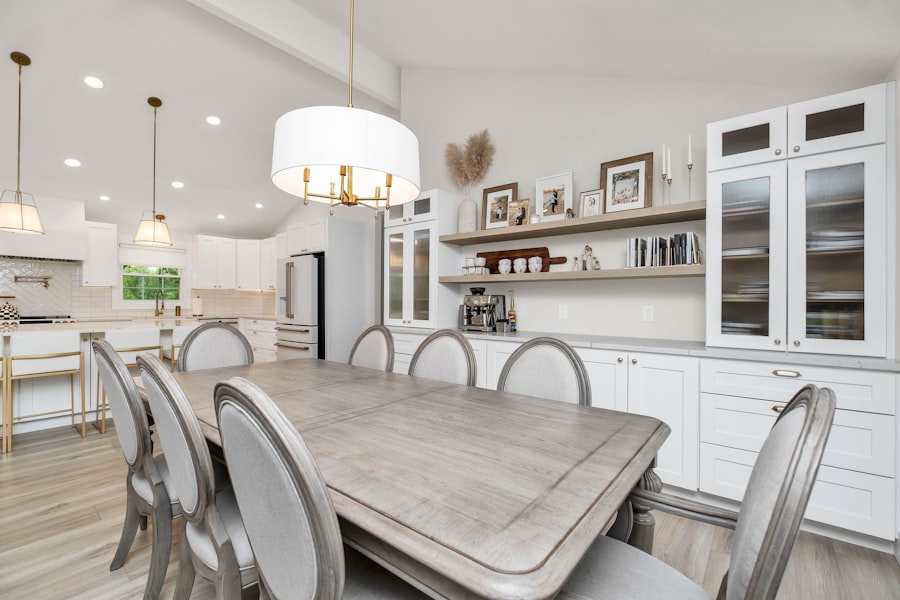
Budgeting is one of the most critical aspects of any kitchen remodel. Homeowners must establish a realistic budget that reflects their financial situation while also accommodating their remodeling goals. A comprehensive budget should include not only the cost of materials and labor but also additional expenses such as permits, inspections, and unexpected contingencies.
It’s advisable to allocate an extra 10-20% of the total budget for unforeseen costs that may arise during the renovation process. When determining how much to spend on a kitchen remodel, homeowners should consider their long-term plans for the property. If they intend to stay in their home for many years, investing in high-quality materials and appliances may be worthwhile.
Conversely, if they plan to sell in the near future, focusing on cost-effective upgrades that enhance appeal without overspending is prudent. Researching local market trends can provide valuable insights into what features are most desirable in a kitchen remodel, helping homeowners make informed decisions about where to allocate their budget.
Popular Trends in Kitchen Design and Remodeling
The world of kitchen design is ever-evolving, with new trends emerging each year that reflect changing tastes and lifestyles. One prominent trend is the shift towards open-concept kitchens that seamlessly integrate with living spaces. This design approach fosters a sense of togetherness and allows for easier interaction among family members and guests.
Open layouts often feature large islands that serve as multifunctional spaces for cooking, dining, and socializing. Another trend gaining traction is the use of bold colors and unique materials. While white kitchens have long been a staple, homeowners are increasingly opting for vibrant hues like deep blues or rich greens to create a striking focal point.
Additionally, materials such as quartz countertops and reclaimed wood cabinetry are becoming popular choices due to their durability and aesthetic appeal. Incorporating smart technology into kitchen designs is also on the rise; features like smart refrigerators, touchless faucets, and integrated lighting systems enhance convenience and efficiency in daily tasks.
When it comes to kitchen remodeling, homeowners often face the decision of whether to hire a professional contractor or tackle the project themselves.
Hiring a professional can provide access to expertise and experience that may be invaluable in navigating complex design challenges and ensuring high-quality workmanship.
Professionals are also familiar with local building codes and regulations, which can help avoid costly mistakes or delays. On the other hand, DIY remodeling can be an appealing option for those with a strong sense of creativity and hands-on skills. It allows homeowners to have complete control over every aspect of the project, from design choices to material selection.
However, it’s essential to recognize that DIY projects can quickly become overwhelming, especially if unexpected issues arise or if specialized skills are required for certain tasks like plumbing or electrical work. Ultimately, the decision should be based on individual capabilities, available time, and budget constraints.
The Return on Investment for Kitchen Remodeling
One of the most compelling reasons to consider a kitchen remodel is its potential return on investment (ROI). According to various real estate studies, kitchen renovations consistently rank among the top home improvement projects that yield significant returns when selling a property. On average, homeowners can expect to recoup approximately 60-80% of their remodeling costs upon resale, depending on factors such as location and market conditions.
However, not all renovations provide equal returns. High-end upgrades like luxury appliances or custom cabinetry may not always translate into proportional increases in home value. Instead, focusing on mid-range improvements—such as updating countertops, refreshing cabinetry with paint or new hardware, and enhancing lighting—can offer a more favorable ROI while still elevating the kitchen’s overall appeal.
Homeowners should conduct thorough research on local market trends to identify which upgrades are most likely to resonate with potential buyers in their area.
Enhancing Functionality and Efficiency in the Kitchen
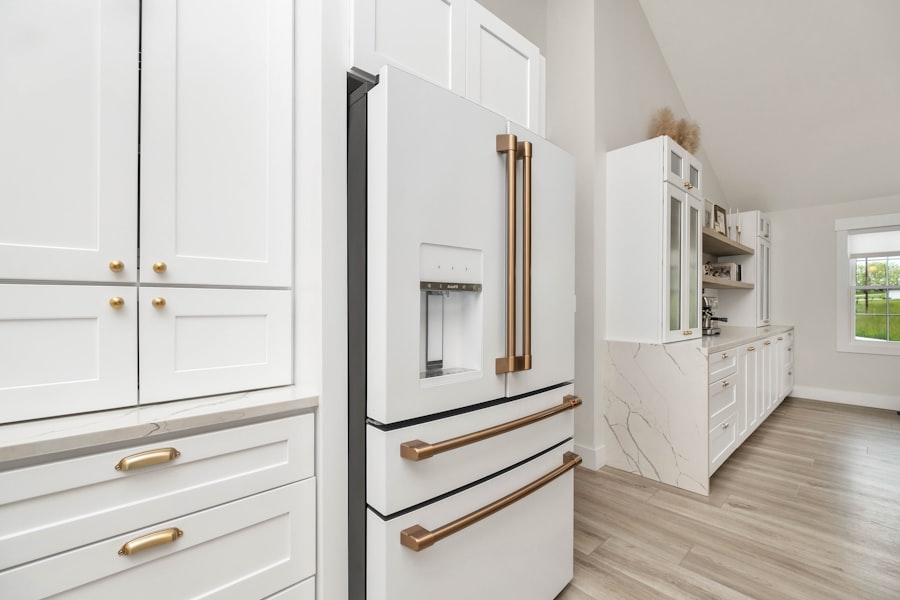
A successful kitchen remodel goes beyond aesthetics; it should prioritize functionality and efficiency to meet the demands of modern living. One effective way to enhance functionality is by optimizing storage solutions. Incorporating features like pull-out shelves, lazy Susans, and deep drawers can maximize space utilization while keeping essential items easily accessible.
Additionally, utilizing vertical space with wall-mounted shelves or cabinets can help declutter countertops and create a more organized environment. Energy efficiency is another critical consideration in modern kitchen design. Upgrading to energy-efficient appliances not only reduces utility bills but also contributes to a more sustainable lifestyle.
Features such as induction cooktops and ENERGY STAR-rated refrigerators consume less energy while delivering superior performance. Furthermore, incorporating smart technology—such as programmable thermostats or smart lighting—can enhance energy management in the kitchen, allowing homeowners to monitor usage patterns and make adjustments accordingly.
Increasing Home Value through Kitchen Remodeling
The impact of kitchen remodeling on home value cannot be overstated; it is often one of the most significant factors influencing potential buyers’ perceptions during property viewings. A well-designed kitchen can create an emotional connection with buyers, making them envision themselves cooking meals and entertaining guests in the space. This emotional appeal can translate into higher offers and quicker sales.
To maximize home value through kitchen remodeling, homeowners should focus on creating a cohesive design that aligns with current market preferences while still reflecting their personal style. Neutral color palettes tend to attract a broader audience, while timeless materials like granite or quartz countertops add an element of sophistication without feeling overly trendy. Additionally, ensuring that all elements—from cabinetry to flooring—work harmoniously together will create an inviting atmosphere that resonates with prospective buyers.
Sustainable and Eco-Friendly Options for Kitchen Remodeling
As environmental awareness continues to grow, many homeowners are seeking sustainable and eco-friendly options for their kitchen remodels. This trend encompasses various aspects of design, from material selection to energy efficiency measures. For instance, choosing sustainably sourced materials—such as bamboo flooring or recycled glass countertops—can significantly reduce environmental impact while adding unique character to the space.
Incorporating energy-efficient appliances is another vital component of an eco-friendly kitchen remodel. Appliances bearing ENERGY STAR certification consume less energy without sacrificing performance, contributing to lower utility bills over time. Additionally, installing water-saving fixtures like low-flow faucets can help conserve water resources while maintaining functionality.
By prioritizing sustainability in their remodeling projects, homeowners not only contribute positively to the environment but also appeal to eco-conscious buyers in today’s market.
Avoiding Common Pitfalls in Kitchen Remodeling
Despite careful planning, many homeowners encounter pitfalls during their kitchen remodeling projects that can lead to frustration or increased costs. One common mistake is underestimating timelines; renovations often take longer than anticipated due to unforeseen complications or delays in material delivery. To mitigate this risk, it’s essential to establish a realistic timeline at the outset and maintain open communication with contractors throughout the process.
Another frequent pitfall involves neglecting proper research before making design decisions or purchasing materials. Homeowners may fall prey to trends that quickly become outdated or invest in high-end features that do not align with their lifestyle needs or budget constraints. Conducting thorough research on current trends while also considering personal preferences can help avoid these missteps.
Additionally, seeking input from professionals can provide valuable insights into what works best for specific spaces.
Making the Decision: Is Kitchen Remodeling Worth It for Your Brooklyn Home?
Deciding whether to undertake a kitchen remodel in Brooklyn requires careful consideration of various factors unique to each homeowner’s situation. The vibrant real estate market in Brooklyn often places significant emphasis on updated kitchens; thus, investing in a remodel could yield substantial returns when selling a property in this competitive landscape. However, homeowners must also weigh personal motivations against financial implications.
For those who plan to remain in their homes long-term, a kitchen remodel can enhance daily living experiences by creating a more functional and enjoyable space for cooking and entertaining. Conversely, if selling is on the horizon, focusing on strategic upgrades that appeal to potential buyers may be more prudent than extensive renovations that do not align with market demands. Ultimately, understanding individual goals—whether they center around personal enjoyment or financial investment—will guide homeowners toward making informed decisions about their kitchen remodeling projects in Brooklyn.
If you’re considering a kitchen remodel, you may also want to think about basement waterproofing services to protect your investment. ESG Builders Ltd offers top-notch basement waterproofing services to ensure your home remains safe and dry. Additionally, if you’re looking to completely transform your home, their custom home builds with tailored architectural solutions could be the perfect option for you. And if you’re interested in creating a cozy entertainment space, ESG Builders Ltd also offers basement home theater installation services. Check out their website for more information on how to enhance your home. Click here to learn more.
FAQs
What are the benefits of kitchen remodeling?
Kitchen remodeling can increase the functionality and efficiency of the space, improve the aesthetics of the kitchen, and potentially increase the value of the home.
How much does a kitchen remodel cost?
The cost of a kitchen remodel can vary widely depending on the scope of the project, the materials used, and the location. On average, a kitchen remodel can cost anywhere from $10,000 to $50,000 or more.
How long does a kitchen remodel take?
The timeline for a kitchen remodel can also vary depending on the scope of the project, but it typically takes anywhere from 6 to 12 weeks to complete.
What are some popular kitchen remodeling trends?
Some popular kitchen remodeling trends include open shelving, quartz countertops, smart appliances, and sustainable materials.
Will kitchen remodeling increase the value of my home?
In many cases, kitchen remodeling can increase the value of a home. According to the National Association of Realtors, homeowners can expect to recoup about 59% to 81% of the cost of a kitchen remodel when they sell their home.
What should I consider before starting a kitchen remodel?
Before starting a kitchen remodel, homeowners should consider their budget, the layout and functionality of the space, the desired style and aesthetic, and the potential return on investment. It’s also important to work with a reputable contractor and obtain any necessary permits.