
When embarking on a remodeling project, particularly in a city like Brooklyn where homes often have unique layouts and historical plumbing systems, understanding the existing plumbing layout is crucial.
Many homes in this area were built in the late 19th or early 20th century, which means they may have outdated plumbing materials such as galvanized steel or lead pipes.
Familiarizing yourself with the layout not only helps in planning your remodel but also ensures that you can make informed decisions about upgrades or replacements. To begin, it’s essential to locate the main water supply line and understand how it branches off to various fixtures throughout the house. This includes identifying the hot and cold water lines, as well as the drainage system.
In many cases, older homes may have a single stack venting system, which can affect how new fixtures are installed. Knowing where these lines run can help you avoid unnecessary complications during your remodel. Additionally, understanding the slope of your drainage pipes is vital; improper drainage can lead to water pooling and other issues that could compromise your new shower installation.
Key Takeaways
- Understanding the plumbing layout is crucial for planning a successful shower installation in your Brooklyn home.
- When choosing the right shower fixture for your Brooklyn remodel, consider factors such as style, functionality, and water efficiency.
- Working with a professional plumber is essential for a seamless and code-compliant shower installation in Brooklyn.
- Consider water pressure and flow when selecting and installing shower fixtures to ensure optimal performance.
- Incorporating proper drainage and waterproofing is essential for preventing water damage and mold growth in your Brooklyn shower installation.
Choosing the Right Shower Fixture for Your Brooklyn Remodel
Selecting the right shower fixture is a pivotal aspect of any bathroom remodel, especially in Brooklyn where style and functionality must coexist. The market offers a plethora of options ranging from traditional to modern designs, each with its own set of features. When choosing a shower fixture, consider the overall aesthetic of your bathroom.
For instance, if your home has a vintage charm, you might opt for a classic rain showerhead or a handheld fixture with ornate detailing. Conversely, if your bathroom leans towards a contemporary design, sleek lines and minimalist features may be more appropriate. Beyond aesthetics, functionality should also guide your choice.
Look for fixtures that offer adjustable settings, such as multiple spray patterns or temperature control features. Water efficiency is another critical factor; many modern fixtures are designed to conserve water without sacrificing performance. For example, low-flow showerheads can significantly reduce water usage while still providing a satisfying shower experience.
Researching brands that prioritize both design and sustainability can lead you to fixtures that not only enhance your bathroom’s look but also contribute to environmental conservation.
Working with a Professional Plumber for Shower Installation
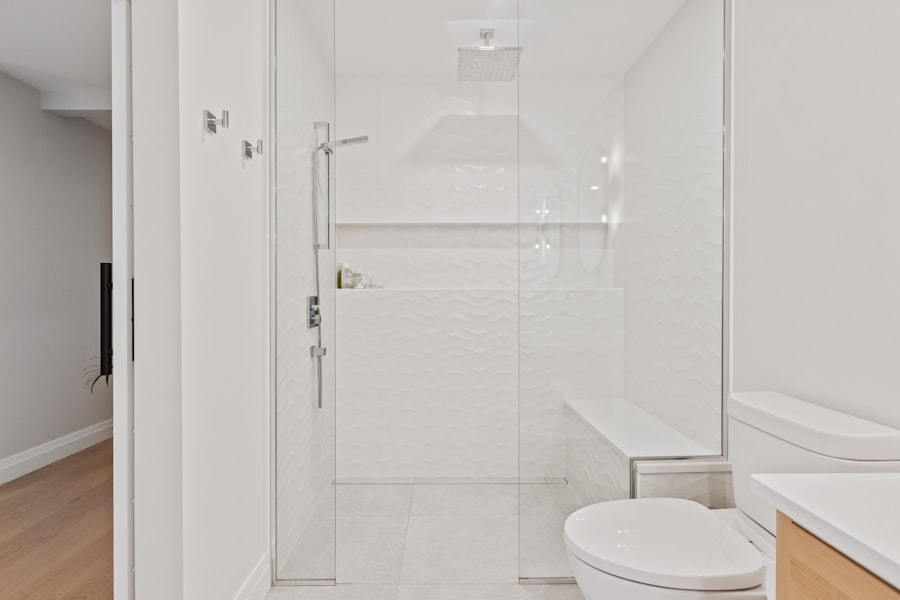
While DIY projects can be rewarding, working with a professional plumber for your shower installation is often the best route to ensure quality and compliance with local codes. A licensed plumber brings expertise that can save you time and money in the long run. They are familiar with Brooklyn’s specific plumbing regulations and can navigate any challenges that arise during installation.
For instance, if your home has an unconventional plumbing layout or outdated materials, a professional will know how to address these issues effectively. Moreover, hiring a plumber allows you to benefit from their experience in selecting compatible fixtures and materials. They can provide valuable insights into the best products for your specific needs and preferences.
Additionally, professional plumbers often have access to high-quality materials and tools that may not be readily available to the average homeowner. This access can lead to a more durable and aesthetically pleasing installation. Furthermore, many plumbers offer warranties on their work, providing peace of mind that any potential issues will be addressed without additional costs.
Considering Water Pressure and Flow in Your Shower Installation
Water pressure and flow are critical factors that can significantly impact your shower experience. In Brooklyn, where water pressure can vary widely from one neighborhood to another, it’s essential to assess your home’s water pressure before proceeding with your shower installation. Low water pressure can lead to unsatisfactory shower experiences, while excessively high pressure can cause wear and tear on plumbing fixtures over time.
A professional plumber can measure your water pressure and recommend solutions if it falls outside the ideal range of 40-60 psi. In addition to measuring pressure, understanding flow rates is equally important. Flow rate refers to the amount of water that comes out of your showerhead per minute, typically measured in gallons per minute (GPM).
Most modern showerheads are designed to operate efficiently at 2.5 GPM or less, which helps conserve water while still providing an enjoyable shower experience. If you’re considering a high-efficiency showerhead, it’s crucial to ensure that your plumbing system can support it without compromising performance. A plumber can help you select fixtures that match your home’s water pressure and flow characteristics.
Incorporating Drainage and Waterproofing in Your Shower Installation
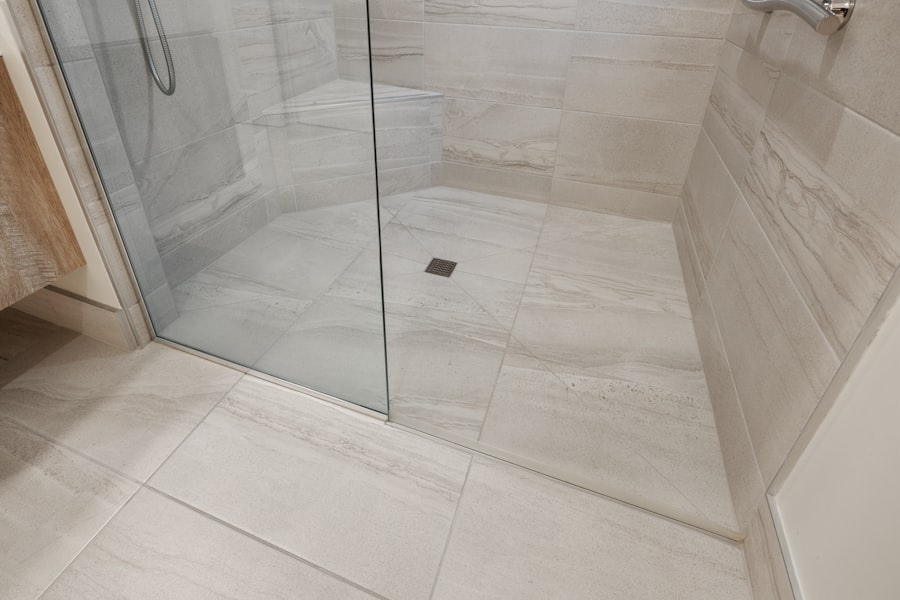
Effective drainage and waterproofing are paramount in any shower installation to prevent water damage and mold growth. In Brooklyn homes, where basements are common and moisture levels can fluctuate, ensuring proper drainage is essential for maintaining the integrity of your bathroom.
A sloped floor design is typically employed to facilitate this drainage process. Waterproofing is another critical component of shower installation that should not be overlooked. This involves applying waterproof membranes or sealants to areas prone to moisture exposure, such as walls and floors surrounding the shower.
These materials act as barriers against water infiltration, protecting underlying structures from damage over time. In older Brooklyn homes, where existing materials may be more susceptible to moisture issues, investing in high-quality waterproofing solutions can provide long-term benefits and peace of mind.
Addressing Ventilation and Mold Prevention in Your Shower Installation
Ventilation plays a crucial role in maintaining a healthy bathroom environment, particularly in areas prone to high humidity like showers. Inadequate ventilation can lead to mold growth, which poses health risks and can damage your home’s structure over time. When planning your shower installation in Brooklyn, consider incorporating an exhaust fan that effectively removes moisture-laden air from the bathroom.
This fan should be appropriately sized for your space; generally, a fan rated at 1 CFM (cubic feet per minute) per square foot of bathroom area is recommended. In addition to mechanical ventilation, natural ventilation options should also be explored. If possible, installing windows that open or utilizing skylights can enhance airflow and reduce humidity levels after showers.
Furthermore, selecting mold-resistant materials for walls and ceilings can provide an additional layer of protection against mold growth. Products such as mold-resistant drywall or paint specifically designed for high-moisture areas can significantly reduce the likelihood of mold issues arising in your newly remodeled shower.
Exploring Eco-Friendly Options for Your Brooklyn Shower Installation
As environmental awareness continues to grow, many homeowners are seeking eco-friendly options for their remodeling projects, including shower installations. In Brooklyn, where sustainability is increasingly prioritized, there are numerous ways to create an environmentally friendly shower space without sacrificing style or comfort. One of the most impactful choices is selecting water-efficient fixtures that reduce consumption while maintaining performance.
Low-flow showerheads and faucets are designed to use significantly less water than traditional models without compromising the quality of the shower experience. Additionally, consider incorporating sustainable materials into your shower design. For instance, tiles made from recycled materials or natural stone sourced from sustainable quarries can enhance both aesthetics and environmental responsibility.
Furthermore, using non-toxic adhesives and sealants during installation minimizes harmful chemical emissions in your home environment. By prioritizing eco-friendly options throughout your shower installation process, you not only contribute positively to the environment but also create a healthier living space for you and your family.
Finalizing the Design and Layout of Your Brooklyn Shower Installation
The final stages of your shower installation involve refining the design and layout to ensure it meets both functional needs and aesthetic desires. This process often includes selecting tile patterns, colors, and additional features such as built-in shelves or benches for added convenience. In Brooklyn homes where space may be limited, maximizing functionality while maintaining an appealing design is essential.
Consider how each element contributes to the overall flow of the bathroom; for example, placing grab bars strategically can enhance safety without detracting from visual appeal. Moreover, lighting plays a significant role in the final design of your shower space. Incorporating ambient lighting along with task lighting can create an inviting atmosphere while ensuring adequate visibility during use.
Recessed lighting or wall sconces positioned near mirrors can enhance both functionality and style. As you finalize your design choices, collaborating closely with your plumber and possibly an interior designer can help ensure that all elements work harmoniously together while adhering to local building codes and regulations.
If you are considering a remodel in Brooklyn, it is important to plan around plumbing to ensure a successful project. ESG Builders Ltd. offers expert advice on how to navigate plumbing considerations in your renovation. For more information on their services, visit ESG Builders Ltd.. Additionally, if you are looking to create a basement home theater or embark on a new construction project, ESG Builders Ltd. has the expertise to help you achieve your goals. Learn more about their basement home theater installation and new construction services at ESG Builders Ltd..
FAQs
What are the important considerations when planning a shower installation in Brooklyn?
When planning a shower installation in Brooklyn, it is important to consider the existing plumbing layout, the type of shower system you want to install, and any necessary permits or regulations.
How does the existing plumbing layout affect shower installation in Brooklyn?
The existing plumbing layout in your Brooklyn home will determine the feasibility and cost of installing a new shower. It is important to consider the location of existing water supply lines and drains, as well as the capacity of your water heater.
What types of shower systems are popular for Brooklyn remodels?
Popular shower systems for Brooklyn remodels include traditional shower/tub combos, walk-in showers, and luxury shower systems with multiple shower heads and body jets. The type of system you choose will impact the plumbing requirements for your installation.
What permits or regulations do I need to consider for a shower installation in Brooklyn?
In Brooklyn, you may need to obtain permits for plumbing work and adhere to local building codes and regulations. It is important to consult with a licensed plumber or contractor to ensure that your shower installation meets all necessary requirements.
Can I install a shower in a location without existing plumbing?
It is possible to install a shower in a location without existing plumbing, but it may require additional work and cost to extend water supply lines and drains to the new location. Consulting with a professional plumber is recommended for these types of installations.