
Establishing a realistic budget is the cornerstone of any successful renovation project. It is essential to have a clear understanding of your financial limits before embarking on any home improvement journey. Begin by assessing your current financial situation, including savings, income, and any potential financing options.
This assessment will help you determine how much you can allocate to the renovation without compromising your financial stability. It is advisable to create a detailed budget that includes not only the costs of materials and labor but also additional expenses such as permits, inspections, and unexpected costs that may arise during the renovation process. When setting your budget, it is crucial to consider the scope of the renovation.
For instance, a kitchen remodel can range from a few thousand dollars for cosmetic updates to tens of thousands for a full renovation involving new cabinetry, countertops, and appliances. By clearly defining the extent of your project, you can allocate funds more effectively and avoid overspending.
Additionally, it is wise to research average costs for similar renovations in your area to ensure that your budget aligns with market expectations. This research will provide a benchmark against which you can measure your financial plan.
Key Takeaways
- Setting a realistic budget is crucial for a successful renovation project
- Researching contractors and getting multiple quotes can help in finding the best value for money
- Understanding permit and code requirements is essential to avoid legal issues during the renovation process
- Creating a detailed renovation plan can help in staying organized and on track with the project
- Prioritizing renovation needs can ensure that the most important aspects are addressed first
- Considering energy efficiency upgrades can lead to long-term cost savings and environmental benefits
- Choosing quality materials within budget is important for a durable and aesthetically pleasing result
- Allowing for contingency funds is necessary to cover unexpected expenses during the renovation process
Researching Contractors and Getting Quotes
Once you have established a budget, the next step is to research contractors who can bring your vision to life. The selection of a contractor is one of the most critical decisions in the renovation process, as their expertise and reliability can significantly impact the outcome of your project. Start by seeking recommendations from friends, family, or neighbors who have recently completed similar renovations.
Online platforms and review sites can also provide valuable insights into contractors’ reputations and past work. After compiling a list of potential contractors, it is essential to obtain detailed quotes from each one. A comprehensive quote should break down the costs associated with labor, materials, and any additional fees.
When reviewing these quotes, pay close attention to the scope of work outlined in each proposal. Some contractors may offer lower prices but could be cutting corners or omitting essential tasks. It is advisable to ask questions and seek clarification on any aspects of the quotes that are unclear.
This process not only helps you understand what you are paying for but also allows you to gauge the contractor’s communication style and willingness to address your concerns.
Understanding Permit and Code Requirements
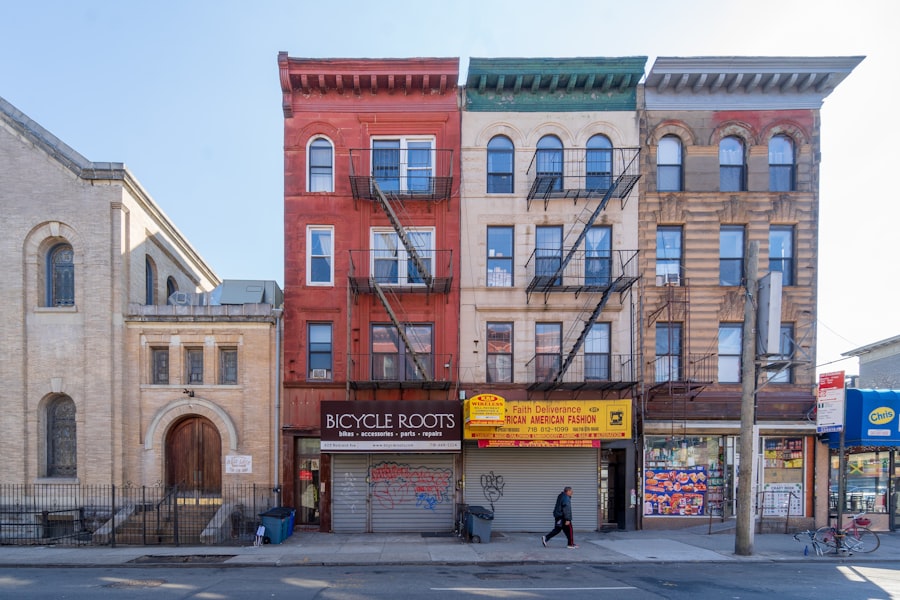
Before commencing any renovation work, it is vital to familiarize yourself with local permit and code requirements. Building codes are regulations that ensure safety, health, and structural integrity in construction projects. Depending on the nature of your renovation, you may need to obtain permits from your local government or building authority.
For example, significant structural changes, electrical work, or plumbing modifications typically require permits to ensure compliance with safety standards. Navigating the permit process can be daunting, but it is essential for avoiding potential legal issues down the line. Failing to secure the necessary permits can result in fines or even the requirement to undo completed work.
To streamline this process, consult with your contractor, as they often have experience dealing with local regulations and can assist in obtaining the required permits. Additionally, researching your local building department’s website can provide valuable information about specific requirements for your project.
Creating a Detailed Renovation Plan
A well-thought-out renovation plan serves as a roadmap for your project, guiding you through each phase of the process. This plan should encompass every aspect of the renovation, from design concepts to timelines and milestones. Begin by outlining your goals for the renovation—what do you hope to achieve?
Whether it’s increasing functionality, enhancing aesthetics, or boosting property value, having clear objectives will help shape your decisions throughout the project. In addition to goals, your renovation plan should include detailed drawings or sketches that illustrate your vision. These visuals can be invaluable when communicating with contractors and ensuring that everyone is on the same page regarding expectations.
Furthermore, establish a timeline that outlines key milestones and deadlines for each phase of the renovation. This timeline will help keep the project on track and allow you to monitor progress effectively. Regular check-ins with your contractor will ensure that any potential delays are addressed promptly.
Prioritizing Renovation Needs
As you embark on your renovation journey, it is crucial to prioritize your needs effectively. Not all aspects of a renovation hold equal importance; some may significantly enhance functionality or aesthetics while others may be less critical. Begin by identifying which areas of your home require immediate attention versus those that can wait for future improvements.
For instance, if your kitchen is outdated and inefficient, prioritizing its renovation may take precedence over cosmetic updates in other areas. Creating a list of priorities can help you allocate resources more effectively and make informed decisions throughout the renovation process. Consider factors such as safety concerns, energy efficiency improvements, and overall impact on daily living when determining what should be addressed first.
Additionally, be open to adjusting your priorities as the project progresses; unforeseen issues may arise that necessitate a shift in focus.
Considering Energy Efficiency Upgrades

Upgrade Your Windows for Better Insulation
Replacing single-pane windows with double-pane or triple-pane options can dramatically improve insulation and reduce heating and cooling costs. This upgrade can pay off over time through reduced energy consumption.
Energy-Efficient Appliances for a Modern Touch
Upgrading to Energy Star-rated appliances can lower energy usage while providing modern conveniences. These appliances are designed to use less energy while still delivering the performance you need.
This technology can help you optimize your energy usage and reduce waste. By prioritizing energy efficiency in your renovation plan, you can enhance the comfort of your home while contributing positively to environmental sustainability.
Choosing Quality Materials Within Budget
Selecting quality materials is essential for ensuring the longevity and durability of your renovation project. While it may be tempting to opt for cheaper alternatives to stay within budget, investing in high-quality materials can save you money in the long run by reducing maintenance and replacement costs. Begin by researching various materials available for your specific renovation needs—whether it’s flooring, cabinetry, or countertops—and compare their durability, maintenance requirements, and aesthetic appeal.
When choosing materials, consider both functionality and style. For instance, hardwood flooring may be more expensive upfront than laminate options but offers greater durability and timeless appeal that can enhance property value over time. Additionally, explore local suppliers or reclaimed materials that may provide unique options at a lower cost than brand-new products.
By striking a balance between quality and budget constraints, you can achieve a beautiful and functional space without compromising on essential elements.
Allowing for Contingency Funds
No renovation project is without its surprises; therefore, it is prudent to allocate contingency funds within your budget to address unexpected expenses that may arise during construction. A general rule of thumb is to set aside 10-20% of your total budget for contingencies. This fund can cover unforeseen issues such as hidden structural damage discovered during demolition or price increases in materials due to market fluctuations.
Having contingency funds available provides peace of mind and allows you to address issues without derailing the entire project or forcing difficult decisions about cutting corners elsewhere. It is essential to communicate with your contractor about potential risks associated with your specific renovation project so that you can better anticipate where these additional costs might arise. By planning for contingencies from the outset, you position yourself for a smoother renovation experience while maintaining control over your budgetary constraints.
If you’re looking for more renovation strategies to revitalize your home, check out this article on key renovation strategies. This article provides valuable insights and tips on how to transform your space into a more functional and aesthetically pleasing environment. Whether you’re planning a gut renovation in Brooklyn or simply looking to update your home, these strategies can help you achieve your desired results.
FAQs
What is the average price for a gut renovation in Brooklyn?
The average price for a gut renovation in Brooklyn can vary widely depending on the size of the project, the scope of work, and the specific location within Brooklyn. However, on average, a gut renovation in Brooklyn can cost anywhere from $100 to $300 per square foot.
What factors can affect the cost of a gut renovation in Brooklyn?
Several factors can affect the cost of a gut renovation in Brooklyn, including the size of the project, the quality of materials and finishes, the complexity of the work, the need for structural changes, and the specific location within Brooklyn.
What are some tips for planning a gut renovation in Brooklyn?
Some tips for planning a gut renovation in Brooklyn include setting a realistic budget, hiring a reputable contractor with experience in Brooklyn, obtaining the necessary permits and approvals, carefully selecting materials and finishes, and considering the potential for unexpected costs.
How long does a gut renovation in Brooklyn typically take?
The timeline for a gut renovation in Brooklyn can vary depending on the scope of work, the size of the project, and other factors. However, a typical gut renovation in Brooklyn can take anywhere from a few months to a year to complete.
Are there any specific regulations or requirements to consider when planning a gut renovation in Brooklyn?
Yes, there are specific regulations and requirements to consider when planning a gut renovation in Brooklyn. These may include obtaining building permits, complying with zoning regulations, and adhering to building codes and safety standards. It is important to work with a contractor who is familiar with these regulations and requirements.