
Sustainable design is an approach that seeks to minimize the negative environmental impact of buildings and products by promoting resource efficiency and ecological balance. At its core, sustainable design is about creating spaces that are not only functional and aesthetically pleasing but also environmentally responsible. This involves a holistic understanding of how buildings interact with their surroundings, including the local ecosystem, climate, and community needs.
The principles of sustainable design encompass a wide range of considerations, from energy efficiency and material selection to waste reduction and social equity. One of the fundamental tenets of sustainable design is the concept of life cycle thinking. This approach encourages designers to consider the entire life cycle of a product or building, from raw material extraction through manufacturing, use, and eventual disposal.
By evaluating the environmental impact at each stage, designers can make informed choices that reduce resource consumption and waste generation. Additionally, sustainable design emphasizes the importance of adaptability and resilience, ensuring that structures can withstand changing environmental conditions and remain functional over time. This forward-thinking perspective is essential in addressing the challenges posed by climate change and resource depletion.
Key Takeaways
- Sustainable design focuses on creating buildings that have a minimal impact on the environment and promote a healthy, efficient, and sustainable lifestyle.
- Environmentally-friendly materials, such as recycled or renewable resources, should be prioritized to reduce the environmental impact of construction and operation.
- Maximizing natural light and ventilation not only reduces the need for artificial lighting and air conditioning but also improves the overall well-being of occupants.
- Implementing energy-efficient systems, such as solar panels and high-efficiency HVAC systems, can significantly reduce energy consumption and operating costs.
- Reducing water usage and implementing water-saving features, such as low-flow fixtures and rainwater harvesting, can help conserve water resources and reduce utility bills.
Choosing Environmentally-Friendly Materials
The selection of materials plays a pivotal role in sustainable design, as the choice of resources can significantly influence a building’s overall environmental footprint. Environmentally-friendly materials are those that are sourced sustainably, have low embodied energy, and are non-toxic to both humans and the environment. For instance, using reclaimed wood not only reduces the demand for new timber but also minimizes waste by repurposing materials that would otherwise end up in landfills.
Similarly, bamboo is gaining popularity as a sustainable alternative due to its rapid growth rate and ability to sequester carbon. In addition to sourcing materials responsibly, it is crucial to consider their durability and maintenance requirements. Materials that require frequent replacement or extensive upkeep can lead to increased resource consumption over time.
For example, choosing high-quality insulation materials can enhance energy efficiency and reduce heating and cooling demands, ultimately leading to lower energy costs and a reduced carbon footprint. Furthermore, utilizing locally-sourced materials can significantly decrease transportation emissions while supporting local economies. By prioritizing environmentally-friendly materials, designers can create spaces that are not only beautiful but also contribute positively to the planet.
Maximizing Natural Light and Ventilation
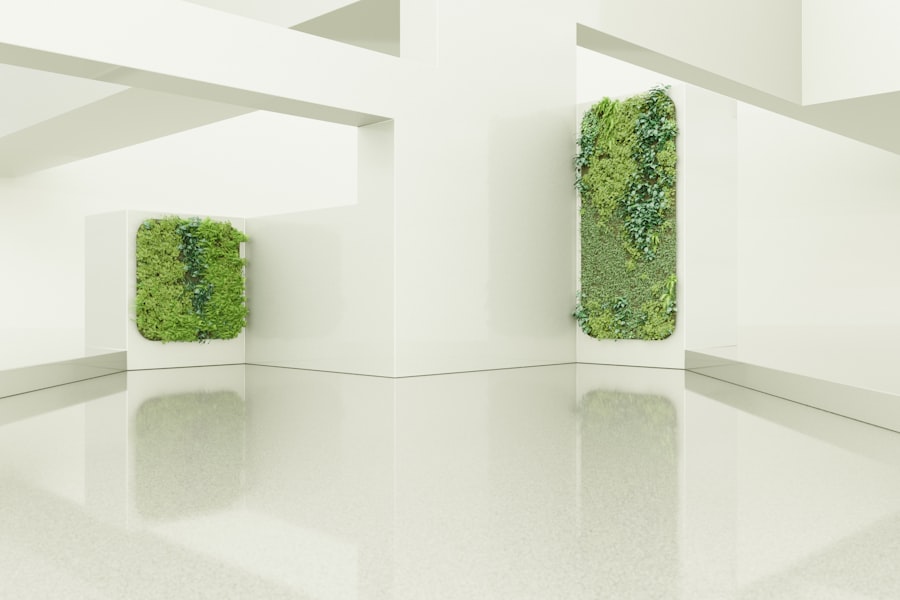
Natural light and ventilation are essential components of sustainable design that enhance occupant comfort while reducing reliance on artificial lighting and mechanical heating or cooling systems. By strategically positioning windows, skylights, and other openings, designers can harness daylight to illuminate interior spaces, thereby decreasing energy consumption during daylight hours. For example, orienting a building to take advantage of southern exposure can maximize sunlight penetration in colder climates, reducing the need for artificial lighting and heating.
Ventilation is equally important in maintaining indoor air quality and thermal comfort. Natural ventilation strategies, such as cross-ventilation through operable windows or vents, can help regulate indoor temperatures without relying on energy-intensive HVAC systems. In addition to improving comfort levels, effective ventilation can reduce humidity and prevent mold growth, contributing to a healthier indoor environment.
Incorporating features like clerestory windows or ventilated roofs can further enhance airflow while providing aesthetic appeal. By maximizing natural light and ventilation, sustainable design fosters spaces that are not only energy-efficient but also promote well-being for their occupants.
Implementing Energy-Efficient Systems
Energy efficiency is a cornerstone of sustainable design, as it directly impacts a building’s operational costs and environmental footprint. Implementing energy-efficient systems involves integrating advanced technologies and practices that reduce energy consumption while maintaining comfort and functionality. One effective strategy is the use of high-performance insulation materials that minimize heat loss in winter and heat gain in summer.
This can significantly reduce the demand for heating and cooling systems, leading to lower energy bills and a reduced carbon footprint. In addition to insulation, incorporating renewable energy sources such as solar panels or wind turbines can further enhance a building’s sustainability profile. These systems not only provide clean energy but can also lead to energy independence for homeowners or businesses.
Smart building technologies, including programmable thermostats and energy management systems, allow for real-time monitoring and optimization of energy use. By employing these strategies, designers can create buildings that operate efficiently while contributing to a more sustainable future.
Reducing Water Usage and Implementing Water-Saving Features
Water conservation is an essential aspect of sustainable design, particularly in regions facing water scarcity or drought conditions. Reducing water usage involves implementing strategies that minimize consumption while ensuring that occupants have access to necessary resources. One effective approach is the installation of low-flow fixtures such as faucets, showerheads, and toilets that significantly reduce water usage without sacrificing performance.
For instance, dual-flush toilets allow users to choose between different flush volumes based on their needs, leading to substantial water savings over time. In addition to low-flow fixtures, rainwater harvesting systems can be integrated into building designs to capture and reuse rainwater for irrigation or non-potable uses such as toilet flushing. This not only reduces reliance on municipal water supplies but also helps manage stormwater runoff, which can contribute to local flooding and water pollution.
Greywater recycling systems are another innovative solution that allows for the reuse of water from sinks or showers for irrigation purposes. By incorporating these water-saving features into building designs, architects and builders can significantly reduce water consumption while promoting responsible stewardship of this vital resource.
Incorporating Indoor Air Quality Measures

Material Selection for Better IAQ
To promote healthy indoor environments, designers must prioritize the selection of low-VOC materials such as paints, adhesives, and finishes that emit fewer harmful chemicals into the air. Additionally, using natural materials like wood or stone can contribute to better air quality compared to synthetic alternatives.
Ventilation for Good IAQ
Ventilation plays a crucial role in maintaining good indoor air quality by ensuring a constant supply of fresh air while removing pollutants from indoor spaces. Mechanical ventilation systems equipped with air filters can help capture airborne contaminants while providing controlled airflow throughout the building.
Natural Air Purification through Plants
Furthermore, incorporating plants into interior spaces can enhance air quality through natural processes such as photosynthesis and transpiration. By integrating these indoor air quality measures into sustainable design practices, architects can create healthier living environments that support the well-being of occupants.
Proper Waste Management and Recycling Practices
Effective waste management is an integral part of sustainable design that addresses the issue of construction waste as well as ongoing waste generation during a building’s life cycle. During construction, implementing strategies such as deconstruction rather than demolition allows for the salvage of valuable materials that can be reused or recycled.
In addition to construction waste management, promoting recycling practices within buildings is essential for minimizing ongoing waste generation. Providing clearly labeled recycling bins throughout a facility encourages occupants to separate recyclables from general waste effectively. Furthermore, designing spaces with composting facilities for organic waste can divert significant amounts of material from landfills while enriching soil for landscaping purposes.
By prioritizing proper waste management and recycling practices in sustainable design, architects contribute to a circular economy that values resource conservation and minimizes environmental impact.
Seeking LEED Certification and Other Green Building Standards
Achieving LEED (Leadership in Energy and Environmental Design) certification is one way for architects and builders to demonstrate their commitment to sustainable design principles. LEED is a widely recognized green building certification program that evaluates buildings based on various criteria related to sustainability, including energy efficiency, water conservation, indoor air quality, and material selection. The certification process involves a rigorous assessment of a building’s design and performance against established benchmarks.
In addition to LEED certification, there are other green building standards such as BREEAM (Building Research Establishment Environmental Assessment Method) in the UK or the Living Building Challenge that provide frameworks for evaluating sustainability in construction projects. These certifications not only enhance a building’s marketability but also encourage innovation in sustainable practices within the industry. By pursuing these certifications, architects and builders signal their dedication to creating environmentally responsible structures that contribute positively to their communities while addressing pressing global challenges such as climate change and resource depletion.
If you’re interested in eco-friendly home renovations, you may also want to check out ESG Builders Ltd’s article on how to design, renovate, and revitalize your home. This article offers valuable insights and tips on creating a sustainable and environmentally friendly living space. You can read more about it here.
FAQs
What is a gut renovation?
A gut renovation involves completely stripping a building’s interior down to its structural elements and rebuilding it from scratch.
What does eco-friendly renovation mean?
Eco-friendly renovation refers to the use of sustainable materials, energy-efficient systems, and environmentally conscious construction practices to minimize the project’s impact on the environment.
Why is eco-friendly renovation important?
Eco-friendly renovation is important because it helps reduce the carbon footprint of the construction industry, conserves natural resources, and promotes healthier indoor environments.
What are some tips for planning an eco-friendly gut renovation in Brooklyn?
Some tips for planning an eco-friendly gut renovation in Brooklyn include using reclaimed materials, installing energy-efficient appliances and fixtures, incorporating green building techniques, and seeking LEED certification.
How can I find eco-friendly contractors and suppliers in Brooklyn?
You can find eco-friendly contractors and suppliers in Brooklyn by researching local green building organizations, asking for recommendations from sustainable design professionals, and looking for certifications such as LEED or Energy Star.
What are some benefits of eco-friendly gut renovation?
Some benefits of eco-friendly gut renovation include lower energy costs, improved indoor air quality, reduced environmental impact, and increased property value.