
Establishing a budget is the cornerstone of any successful construction or renovation project. It serves as a financial blueprint that guides all subsequent decisions, from selecting materials to hiring contractors. To begin, it is essential to assess your financial situation comprehensively.
This involves not only determining how much you can afford to spend but also considering potential financing options, such as loans or lines of credit. A well-defined budget should encompass all aspects of the project, including labor costs, materials, permits, and even a contingency fund for unexpected expenses. A common rule of thumb is to allocate an additional 10-20% of the total budget for unforeseen costs, which can arise from changes in design, material price fluctuations, or hidden structural issues.
Once you have a clear understanding of your financial limits, it is crucial to prioritize your needs and wants. This means distinguishing between essential features that must be included in the project and those that would be nice to have but are not critical. For instance, if you are renovating a kitchen, you might prioritize new appliances and cabinetry over decorative elements like custom backsplashes.
By establishing these priorities, you can make informed decisions that align with your budget while still achieving a satisfactory outcome. Additionally, it is wise to research average costs for similar projects in your area to ensure that your budget is realistic and competitive.
Key Takeaways
- Setting a budget is the first step in any home renovation project and should be carefully considered to avoid overspending.
- Researching contractors is crucial to finding a reliable and skilled professional who can bring your vision to life within your budget.
- Obtaining permits and approvals is necessary to ensure that your renovation project complies with local regulations and building codes.
- Designing the layout of your renovation project requires careful planning and consideration of your specific needs and preferences.
- Selecting materials and finishes is an important aspect of the renovation process that can greatly impact the overall look and feel of the project.
- Creating a timeline for your renovation project is essential for staying organized and on track with deadlines and milestones.
- Communicating effectively with your contractor is key to ensuring that the project runs smoothly and that any issues are addressed promptly.
- Preparing for unexpected challenges is important as renovation projects often come with unforeseen obstacles that may arise during the process.
Researching Contractors
Research and Recommendations
Start by gathering recommendations from friends, family, or colleagues who have recently undertaken similar projects. Online platforms and review sites can also provide valuable insights into contractors’ reputations and past work.
Shortlisting and Interviews
When compiling a list of potential candidates, consider their experience in the specific type of project you are undertaking, whether it be a home addition, kitchen remodel, or commercial build. Once you have identified several contractors, it is essential to conduct thorough interviews and request detailed estimates. During these discussions, inquire about their previous projects, timelines, and how they handle challenges that may arise during construction.
Due Diligence and Comparing Bids
A reputable contractor should be transparent about their processes and willing to provide references from past clients. Additionally, ensure that they are licensed and insured, as this protects you from liability in case of accidents or damages during the project. Comparing multiple bids can also help you gauge the market rate for your project and ensure that you are getting a fair price.
Obtaining Permits and Approvals
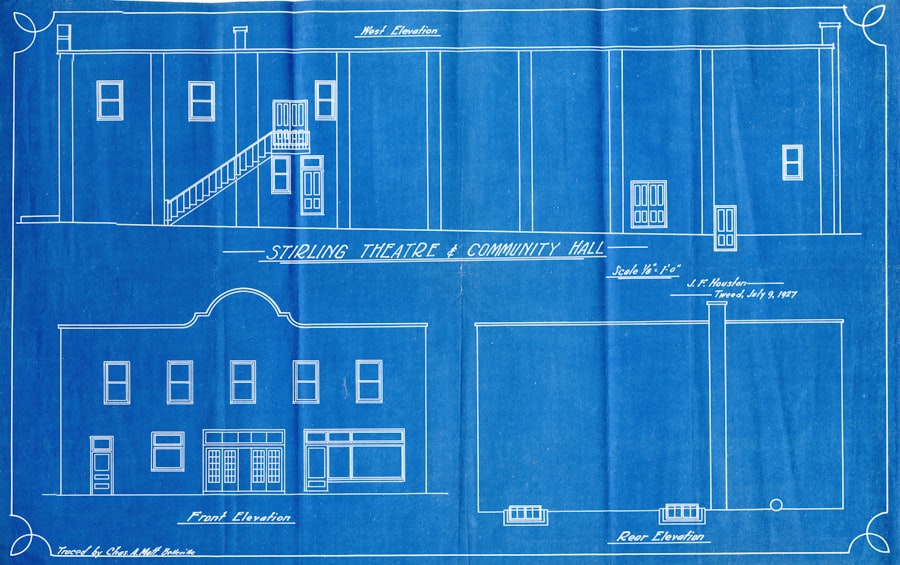
Navigating the maze of permits and approvals is a critical step in any construction or renovation project. Depending on the scope of your work and local regulations, you may need various permits before commencing construction.
It is essential to familiarize yourself with your local building codes and zoning laws to ensure compliance. Failure to obtain the necessary permits can result in fines, delays, or even having to undo completed work. The process of obtaining permits typically involves submitting detailed plans and specifications to your local building department.
In some cases, public hearings may be necessary if your project impacts neighboring properties or requires zoning variances. Being proactive in this stage can save you time and money down the line, as it helps avoid potential legal issues or construction halts due to non-compliance.
Designing the Layout
The design phase is where your vision begins to take shape. This stage involves creating a detailed layout that reflects both functionality and aesthetics. Whether you are working with an architect or using design software, it is crucial to consider how the space will be used daily.
For instance, in a kitchen remodel, think about the workflow between cooking areas, storage spaces, and dining areas. An efficient layout not only enhances usability but also maximizes the available space. In addition to functionality, aesthetics play a significant role in the design process.
Consider how different elements such as color schemes, lighting fixtures, and furniture arrangements will contribute to the overall ambiance of the space. It can be helpful to create mood boards or gather inspiration from design magazines and websites to visualize your ideas. Collaborating with professionals during this phase can provide valuable insights into current trends and best practices in design, ensuring that your project remains both stylish and practical.
Selecting Materials and Finishes
Choosing the right materials and finishes is a critical aspect of any construction or renovation project that significantly impacts both durability and aesthetics. The selection process should begin with an understanding of the functional requirements of each space. For example, in high-traffic areas like hallways or kitchens, durable flooring options such as tile or hardwood may be preferable over carpet.
Similarly, when selecting countertops for a kitchen or bathroom, consider materials that are not only visually appealing but also resistant to stains and scratches. Beyond functionality, the choice of materials also influences the overall style of your project. Whether you prefer a modern aesthetic with sleek lines and minimalistic finishes or a more traditional look with ornate details, there are countless options available on the market today.
It is essential to balance quality with budget constraints; investing in high-quality materials can lead to long-term savings by reducing maintenance costs and extending the lifespan of your finishes. Additionally, consider sustainability when selecting materials; eco-friendly options are increasingly available and can enhance the appeal of your project while minimizing environmental impact.
Creating a Timeline

Establishing a realistic timeline is crucial for keeping your project on track and ensuring that all parties involved are aligned on expectations. Begin by outlining all phases of the project, from initial planning through to completion. This includes time for obtaining permits, ordering materials, construction work itself, and final inspections.
Each phase should have estimated start and end dates based on realistic assessments of how long each task will take. It is also important to build in buffer time for potential delays caused by weather conditions, supply chain issues, or unforeseen complications during construction. Communicating this timeline with your contractor will help set clear expectations for everyone involved and allow for better coordination among subcontractors.
Regular check-ins throughout the project can help keep things on schedule; if delays do occur, being proactive in addressing them can mitigate their impact on the overall timeline.
Communicating with the Contractor
Effective communication with your contractor is vital throughout the duration of your project. Establishing clear lines of communication from the outset helps ensure that everyone is on the same page regarding expectations, timelines, and any changes that may arise during construction. Regular meetings—whether in person or virtual—can facilitate ongoing dialogue about progress and any issues that need addressing.
In addition to scheduled meetings, consider using digital tools for communication and project management. Many contractors utilize software platforms that allow clients to track progress in real-time, view schedules, and communicate directly with team members. This transparency can foster trust between you and your contractor while keeping you informed about every aspect of the project.
If concerns arise at any point—be it about timelines, costs, or quality—address them promptly to avoid misunderstandings that could lead to larger issues down the line.
Preparing for Unexpected Challenges
No construction or renovation project is without its challenges; being prepared for unexpected issues can make all the difference in how smoothly your project proceeds. Common challenges include delays due to weather conditions, supply chain disruptions affecting material availability, or discovering hidden structural problems once demolition begins. To mitigate these risks, it is essential to maintain flexibility within your budget and timeline.
Having a contingency plan in place can also help you navigate unforeseen challenges more effectively. This might involve identifying alternative materials that could be used if your first choice becomes unavailable or having backup contractors who can step in if needed. Additionally, fostering a collaborative relationship with your contractor can facilitate problem-solving when challenges arise; their experience can provide valuable insights into potential solutions that you may not have considered.
By anticipating potential obstacles and preparing accordingly, you can minimize disruptions and keep your project moving forward toward successful completion.
If you’re considering a gut renovation contractor in Brooklyn, you may also want to explore the idea of creating a basement apartment or in-law suite. ESG Builders Ltd offers valuable insights on how to maximize the potential of your basement space for additional living quarters. Check out their article on Basement Apartments and In-Law Suites for more information on this exciting renovation option.
FAQs
What is a gut renovation?
A gut renovation involves completely stripping a building down to its structural elements and rebuilding it from scratch. This typically includes removing all interior finishes, fixtures, and sometimes even the exterior facade.
Why would someone consider a gut renovation?
People may consider a gut renovation to completely transform a space, update outdated systems, or address structural issues. It allows for a complete redesign and customization of the space to fit the homeowner’s needs and preferences.
What should I consider when planning a gut renovation?
When planning a gut renovation, it’s important to consider your budget, timeline, desired design aesthetic, and the expertise of the contractors you choose to work with. It’s also important to consider any necessary permits and approvals from local authorities.
How do I find a reputable gut renovation contractor in Brooklyn?
To find a reputable gut renovation contractor in Brooklyn, consider asking for recommendations from friends or family, researching online reviews, and checking with local trade organizations for qualified professionals. It’s also important to interview multiple contractors and ask for references before making a decision.
What should I look for in a gut renovation contractor?
When looking for a gut renovation contractor, it’s important to consider their experience, qualifications, portfolio of past work, and communication style. It’s also important to ensure they are properly licensed, insured, and have a good reputation within the industry.