
Establishing a realistic budget is the cornerstone of any successful home renovation project. It is essential to have a clear understanding of your financial limits before embarking on any renovations. This involves not only determining how much you can afford to spend but also considering the potential return on investment for the improvements you plan to make.
A well-thought-out budget should encompass all aspects of the renovation, including materials, labor, permits, and unexpected expenses that may arise during the process. To create a comprehensive budget, start by researching the average costs associated with the specific renovations you are considering. For instance, if you are planning a kitchen remodel, look into the costs of cabinetry, countertops, appliances, and labor in your area.
Websites like HomeAdvisor or Angie’s List can provide valuable insights into local pricing trends. Additionally, it is wise to allocate a contingency fund—typically around 10-20% of your total budget—to cover unforeseen expenses that may crop up as the project progresses. This proactive approach can help mitigate financial stress and keep your renovation on track.
Key Takeaways
- Setting a realistic budget is crucial for a successful home renovation project.
- Research and hire the right contractors to ensure quality work and timely completion.
- Understanding the permitting process is essential to avoid delays and legal issues.
- Select high-quality materials to ensure durability and a polished finish.
- Design a functional and stylish layout that meets your needs and enhances the space.
Researching and Hiring the Right Contractors
Finding the right contractors is crucial to the success of your renovation project. The quality of workmanship can significantly impact both the aesthetics and functionality of your home. Begin your search by seeking recommendations from friends, family, or neighbors who have recently completed similar projects.
Online platforms such as Yelp or Angie’s List can also provide reviews and ratings for local contractors, helping you narrow down your options based on their past performance. Once you have a shortlist of potential contractors, it is essential to conduct thorough interviews and request detailed estimates. During these discussions, inquire about their experience with projects similar to yours, their approach to timelines, and how they handle unexpected challenges.
It is also advisable to ask for references from previous clients and to view their completed work if possible. This firsthand insight can give you a clearer picture of what to expect.
Understanding the Permitting Process
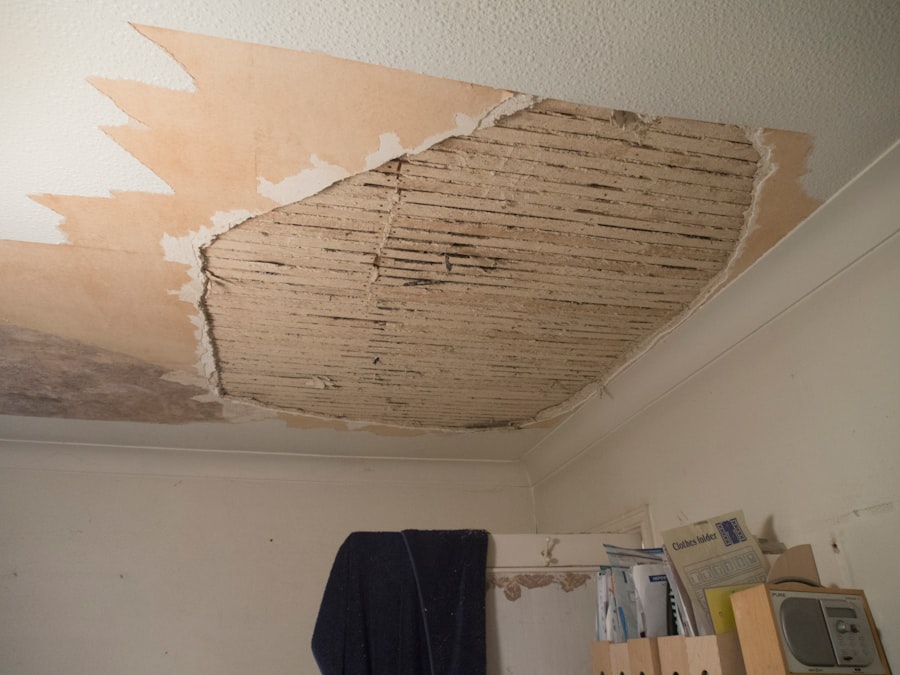
Navigating the permitting process can be one of the more complex aspects of home renovations, yet it is a critical step that should not be overlooked. Depending on the scope of your project and local regulations, you may need various permits before commencing work. Common renovations that typically require permits include structural changes, electrical work, plumbing modifications, and significant alterations to existing layouts.
To begin, familiarize yourself with your local building codes and zoning laws. This information can usually be found on your city or county’s official website or by visiting your local building department. Understanding these regulations will help you determine which permits are necessary for your project.
Once you have identified the required permits, be prepared to submit detailed plans and specifications for approval. This process can take time, so factor it into your overall renovation timeline. Engaging a contractor who is experienced in dealing with local permitting processes can also streamline this phase and ensure compliance with all regulations.
Selecting High-Quality Materials
The materials you choose for your renovation can significantly influence both the durability and aesthetic appeal of your home. Selecting high-quality materials not only enhances the overall look of your space but also contributes to its longevity and maintenance requirements. When choosing materials, consider factors such as durability, maintenance needs, and how well they fit into your overall design vision.
For example, if you are renovating a bathroom, opting for porcelain tiles over cheaper alternatives can provide a more elegant look while also being more resistant to moisture and wear over time. Similarly, when selecting countertops for a kitchen remodel, materials like granite or quartz offer both beauty and resilience compared to laminate options.
Investing in quality materials may require a higher upfront cost but can save you money in the long run by reducing the need for repairs or replacements.
Designing a Functional and Stylish Layout
A well-designed layout is essential for maximizing both functionality and style in your renovated space. The layout should reflect how you intend to use the space while also considering flow and accessibility. For instance, in a kitchen remodel, an efficient work triangle between the stove, sink, and refrigerator can enhance cooking efficiency while ensuring that the space feels open and inviting.
When designing your layout, it is helpful to create a floor plan that considers both existing structural elements and your personal preferences. Utilizing design software or consulting with an interior designer can provide valuable insights into optimizing space usage. Additionally, consider incorporating multi-functional furniture or built-in storage solutions to enhance usability without compromising on style.
For example, a kitchen island can serve as both a cooking area and a casual dining space, making it a versatile addition to your layout.
Considering Energy-Efficient Upgrades
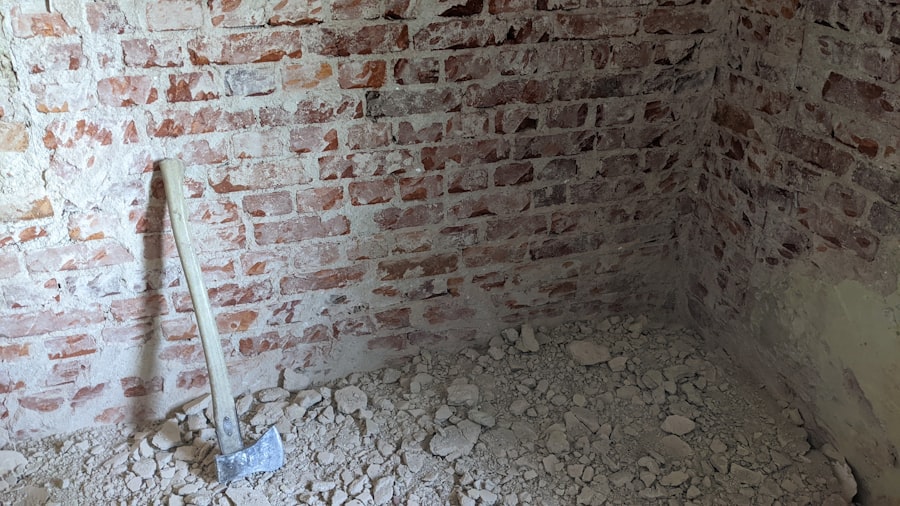
Incorporating energy-efficient upgrades into your renovation not only benefits the environment but can also lead to significant cost savings over time. Energy-efficient features can range from high-performance windows and insulation to energy-efficient appliances and lighting solutions. These upgrades often qualify for tax credits or rebates, making them an attractive option for homeowners looking to reduce their carbon footprint while enhancing their living spaces.
When planning energy-efficient upgrades, start by assessing your home’s current energy performance. Conducting an energy audit can help identify areas where improvements are needed. For instance, if your windows are outdated and drafty, replacing them with double or triple-pane windows can improve insulation and reduce heating and cooling costs.
Similarly, upgrading to Energy Star-rated appliances can lower energy consumption while providing modern features that enhance convenience. By prioritizing energy efficiency in your renovation plans, you not only contribute to sustainability but also increase the long-term value of your home.
Planning for Unexpected Costs
No renovation project is immune to unexpected costs; therefore, planning for these contingencies is essential for maintaining financial stability throughout the process. Unforeseen issues such as hidden water damage, outdated electrical systems that need upgrading, or structural problems can arise at any stage of the renovation. To mitigate these risks, it is crucial to build flexibility into your budget and timeline.
One effective strategy is to conduct thorough inspections before beginning any work. Hiring professionals to assess plumbing, electrical systems, and structural integrity can help identify potential issues early on. Additionally, maintaining open communication with your contractor throughout the project allows for quick decision-making when unexpected challenges arise.
If an issue does occur, having a contingency fund readily available will enable you to address it without derailing your entire renovation plan.
Creating a Realistic Timeline
Establishing a realistic timeline is vital for keeping your renovation project on track and minimizing disruptions to your daily life. A well-structured timeline should account for all phases of the renovation process—from initial planning and design through construction and final inspections. It is important to set achievable milestones that allow for flexibility while ensuring that progress is made consistently.
When creating your timeline, consider factors such as contractor availability, material lead times, and potential weather-related delays if working on exterior projects. Engaging with your contractor early in the planning process can provide valuable insights into realistic timeframes based on their experience with similar projects. Additionally, regularly reviewing progress against your timeline will help identify any areas where adjustments may be necessary.
By maintaining a clear focus on timelines while remaining adaptable to changes, you can navigate the complexities of home renovation more effectively and achieve your desired results within a reasonable timeframe.
If you’re looking for efficient strategies to maximize your space during a gut renovation in Brooklyn, you may want to check out this article on maximizing space efficiency. This article provides valuable tips and insights on how to make the most out of your living space while undergoing a renovation project. Additionally, if you’re interested in learning more about the architectural aspects of your renovation, you can also read this article on architecture and design. And for key renovation strategies to revitalize your home, be sure to read this article on home renovation strategies. These resources will provide you with valuable information to help you plan and execute a successful gut renovation project in Brooklyn.
FAQs
What is a gut renovation?
A gut renovation involves completely stripping a building down to its structural elements and rebuilding it from scratch. This typically includes removing all interior finishes, such as walls, flooring, and fixtures.
What are the costs involved in a gut renovation in Brooklyn, NY?
The costs of a gut renovation in Brooklyn, NY can vary widely depending on the size of the project, the condition of the existing structure, and the specific design and materials chosen. On average, gut renovations in Brooklyn can range from $100 to $300 per square foot.
What are some tips for planning a gut renovation in Brooklyn, NY?
Some tips for planning a gut renovation in Brooklyn, NY include setting a realistic budget, hiring a reputable contractor, obtaining the necessary permits, and carefully planning the layout and design of the space.
How long does a gut renovation typically take in Brooklyn, NY?
The timeline for a gut renovation in Brooklyn, NY can vary depending on the scope of the project, but it typically takes several months to a year to complete. Factors such as the size of the project, the availability of materials, and any unexpected issues that arise can all impact the timeline.