
Establishing a budget is the cornerstone of any successful home renovation or construction project. It serves as a financial blueprint that guides every decision, from the selection of materials to the hiring of professionals. To create an effective budget, one must first assess their financial situation, taking into account available savings, potential loans, and any other sources of funding.
This initial assessment should also include a thorough understanding of the costs associated with various aspects of the project, such as labor, materials, permits, and unexpected expenses. A well-structured budget not only helps in managing finances but also sets realistic expectations for what can be achieved within a given timeframe. Once a budget is established, the next step is to adhere to it rigorously.
This requires discipline and a clear understanding of priorities. Homeowners should categorize their expenses into essential and non-essential items, allowing for flexibility in areas that are less critical while ensuring that vital components are not compromised. Regularly reviewing the budget throughout the project is crucial; this can involve tracking expenses meticulously and adjusting plans as necessary to avoid overspending.
By maintaining a vigilant approach to budgeting, homeowners can navigate the complexities of renovation without succumbing to financial strain.
Key Takeaways
- Setting a budget is crucial for a successful home renovation project, and sticking to it requires discipline and careful planning.
- Hiring the right team of professionals, including contractors, architects, and designers, is essential for achieving the desired results.
- Researching and selecting high-end materials and finishes can elevate the overall look and feel of the renovation, but it’s important to consider the long-term maintenance and durability of these choices.
- Designing a functional and stylish layout is key to maximizing the use of space and creating a comfortable living environment.
- Incorporating smart home technology can enhance convenience and efficiency, but it’s important to consider compatibility and future upgrades.
- Considering energy-efficient and sustainable options not only benefits the environment but can also lead to long-term cost savings.
- Planning for custom features and personalized touches adds a unique and personal element to the renovation, but it’s important to consider the impact on the overall budget and timeline.
- Anticipating and addressing potential challenges and delays is crucial for managing expectations and ensuring a smooth renovation process.
Hiring the Right Team of Professionals
Identifying the Right Professionals
Hiring the right team begins with identifying the specific skills required for the project, which may include architects, contractors, interior designers, and specialized tradespeople such as electricians and plumbers. Each professional brings unique knowledge and experience to the table, making it essential to evaluate their qualifications carefully.
Evaluating Candidates
Homeowners should seek recommendations from trusted sources, review portfolios of past work, and conduct interviews to gauge compatibility and communication styles. Once potential candidates are identified, it is vital to check references and verify credentials. This step ensures that the professionals have a solid track record of delivering quality work on time and within budget.
Ensuring a Smooth Renovation Process
Additionally, discussing project timelines and expectations upfront can help prevent misunderstandings later on. A well-chosen team not only enhances the quality of the renovation but also contributes to a smoother workflow, minimizing stress for homeowners throughout the process.
Researching and Selecting High-End Materials and Finishes
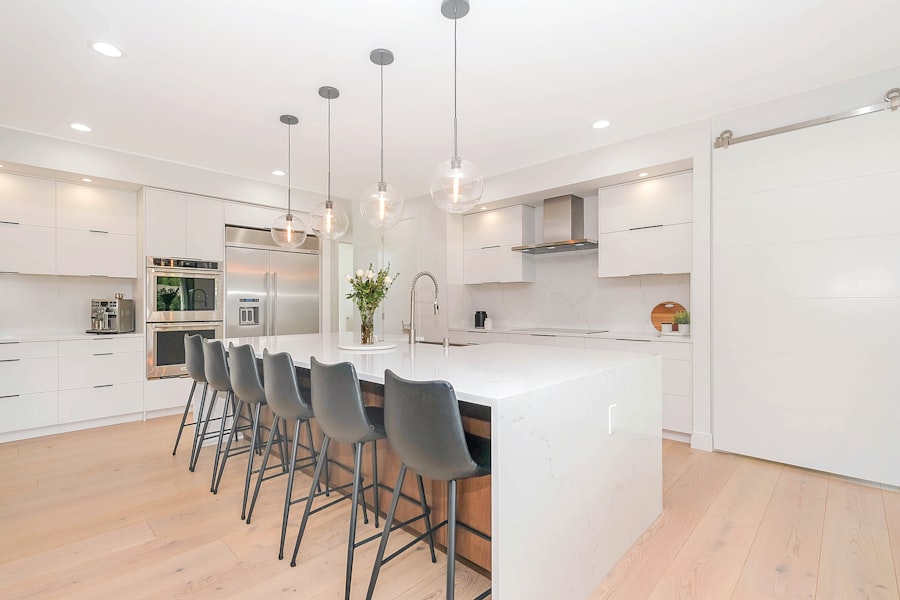
The choice of materials and finishes can significantly impact both the aesthetic appeal and functionality of a home. High-end materials often come with a higher price tag but can offer durability, elegance, and long-term value that justify the investment. When selecting materials, homeowners should consider factors such as maintenance requirements, longevity, and how well they align with the overall design vision.
For instance, natural stone countertops may be more expensive than laminate options but provide a timeless look and superior durability that can enhance property value. Researching suppliers and manufacturers is equally important in this process.
Visiting showrooms or design centers can provide valuable insights into different materials and finishes, allowing homeowners to see and feel products before making decisions.
For example, reclaimed wood flooring not only adds character but also reduces environmental impact by repurposing existing materials.
Designing a Functional and Stylish Layout
A well-thought-out layout is essential for creating spaces that are both functional and visually appealing. The design process begins with understanding how each area will be used and how it fits into the overall flow of the home. For instance, an open-concept living space may be ideal for families who enjoy entertaining, while a more segmented layout might suit those who prefer privacy in different areas of the home.
Engaging with an experienced interior designer can help translate these needs into a cohesive plan that maximizes space efficiency while maintaining style. Incorporating elements such as natural light, traffic patterns, and furniture placement is crucial in achieving a successful layout. For example, strategically placing windows can enhance natural light in key areas like kitchens or living rooms, creating an inviting atmosphere.
Additionally, considering how people move through spaces can inform decisions about room sizes and placements. A well-designed layout not only enhances daily living but also contributes to the overall aesthetic appeal of the home, making it a place where residents feel comfortable and proud.
Incorporating Smart Home Technology
The integration of smart home technology has revolutionized modern living, offering convenience, security, and energy efficiency. When planning a renovation, homeowners should consider incorporating smart systems that enhance their lifestyle while adding value to their property. This can include smart lighting systems that allow for remote control via smartphones or voice-activated assistants, as well as smart thermostats that optimize energy usage based on occupancy patterns.
Moreover, security features such as smart locks and surveillance cameras provide peace of mind while enhancing the overall safety of the home. Homeowners should also explore options for whole-home automation systems that allow for seamless control of various devices from a single interface. By investing in smart technology during renovations, homeowners not only improve their living experience but also position their homes favorably in an increasingly tech-savvy market.
Considering Energy-Efficient and Sustainable Options
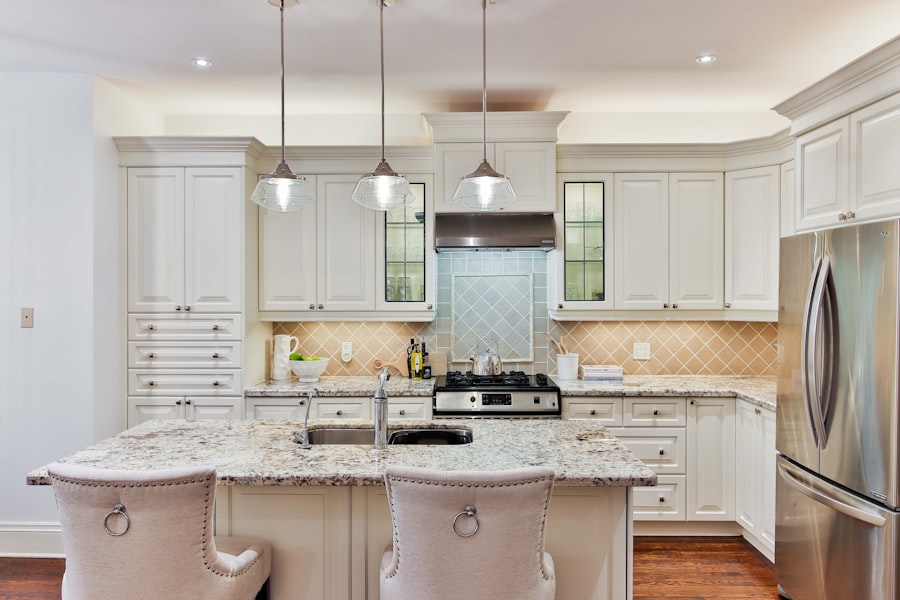
In today’s environmentally conscious society, energy efficiency and sustainability have become paramount considerations in home renovations. Homeowners are increasingly seeking ways to reduce their carbon footprint while also lowering utility costs. This can be achieved through various means, such as installing energy-efficient appliances that consume less power without sacrificing performance.
For example, ENERGY STAR-rated refrigerators or washing machines can significantly reduce energy consumption over time. Additionally, incorporating sustainable building materials is another effective strategy. Options such as bamboo flooring or recycled glass countertops not only contribute to environmental conservation but also add unique character to spaces.
Homeowners should also consider insulation upgrades or energy-efficient windows that enhance thermal performance, reducing heating and cooling demands. By prioritizing energy-efficient solutions during renovations, homeowners can create comfortable living environments while contributing positively to the planet.
Planning for Custom Features and Personalized Touches
Custom features can transform a standard renovation into a truly unique living space that reflects personal style and preferences. Homeowners should take time to envision elements that will enhance their daily lives or serve as focal points within their homes. This could range from bespoke cabinetry designed to fit specific needs in kitchens or bathrooms to custom-built shelving units that showcase personal collections or artwork.
Incorporating personalized touches can also extend to decorative elements such as unique light fixtures or custom paint colors that resonate with individual tastes. Collaborating with designers or craftsmen who specialize in custom work can help bring these visions to life while ensuring quality craftsmanship. By planning for these distinctive features during renovations, homeowners create spaces that are not only functional but also deeply personal.
Anticipating and Addressing Potential Challenges and Delays
Every renovation project comes with its own set of challenges and potential delays that can disrupt timelines and budgets. Anticipating these issues is crucial for maintaining momentum throughout the process. Common challenges may include unexpected structural issues uncovered during demolition or delays in material deliveries due to supply chain disruptions.
Homeowners should prepare for these possibilities by building contingency plans into their budgets and timelines. Effective communication with contractors and professionals is essential in addressing challenges as they arise. Regular check-ins can help identify potential issues early on, allowing for timely solutions before they escalate into larger problems.
Additionally, maintaining flexibility in project timelines can alleviate stress when delays occur. By proactively planning for challenges and fostering open communication with all parties involved, homeowners can navigate the complexities of renovation projects more smoothly while minimizing disruptions to their vision.
If you’re looking for more information on luxury renovations in Brooklyn, you should check out ESG Builders Ltd. They specialize in high-end renovations and have a wealth of experience in transforming homes into stunning spaces. Their article on the best solutions and ideas for renovating your home offers valuable insights and inspiration for anyone planning a renovation project. Contact them for a quote at ESG Builders Ltd to get started on your dream renovation today.
FAQs
What is a gut renovation?
A gut renovation involves completely stripping a building down to its structural elements and rebuilding it from scratch. This typically includes removing all interior finishes, fixtures, and sometimes even the interior walls.
What are some key considerations for planning a luxury gut renovation in Brooklyn?
Some key considerations for planning a luxury gut renovation in Brooklyn include hiring a reputable architect and contractor, obtaining the necessary permits, setting a realistic budget, and carefully selecting high-quality materials and finishes.
How long does a luxury gut renovation in Brooklyn typically take?
The timeline for a luxury gut renovation in Brooklyn can vary depending on the scope of the project, but it often takes several months to a year to complete.
What are some popular luxury features to consider for a gut renovation in Brooklyn?
Some popular luxury features to consider for a gut renovation in Brooklyn include custom millwork, high-end appliances, smart home technology, radiant floor heating, and luxurious bathroom fixtures.
What are some common challenges associated with luxury gut renovations in Brooklyn?
Common challenges associated with luxury gut renovations in Brooklyn can include navigating the city’s building codes and regulations, dealing with potential structural issues in older buildings, and managing the logistics of working in a densely populated urban environment.