
Before embarking on a bathroom remodel, it is crucial to have a clear understanding of the project’s scope. This involves assessing the current state of the bathroom, identifying what needs to be changed, and determining the overall vision for the space. One of the first steps is to evaluate the existing layout and functionality.
Consider whether the current arrangement of fixtures, such as the toilet, sink, and shower, meets your needs. For instance, if you find that the shower is too cramped or the sink is not easily accessible, these factors will influence your design decisions. Additionally, think about how you use the bathroom daily.
Is it primarily a guest bathroom, or is it a personal space for relaxation? Understanding these dynamics will help you prioritize which elements to focus on during the remodel. Another critical aspect to consider is the style and aesthetic you wish to achieve.
The bathroom can be a sanctuary, and its design should reflect your personal taste while also being functional. Research various styles—such as modern, traditional, or minimalist—and gather inspiration from magazines, websites, or social media platforms like Pinterest and Instagram. This will not only help you visualize your dream bathroom but also assist in making informed decisions about materials and fixtures.
Furthermore, consider how the new design will integrate with the rest of your home. A cohesive look throughout your living space can enhance overall property value and appeal.
Key Takeaways
- Understanding the Scope of the Project: Consider the layout, functionality, and design preferences before starting a bathroom remodel.
- Setting a Realistic Budget: Factors such as materials, labor, and unexpected expenses should be considered when planning for bathroom renovation costs.
- Material Costs: Break down expenses for tiles, fixtures, and cabinetry to accurately estimate the total cost of materials for the project.
- Labor Costs: Estimate the price for hiring contractors and plumbers in Brooklyn to ensure that labor costs are included in the budget.
- Hidden Costs: Keep unforeseen expenses in mind, such as structural issues or permit fees, during the remodeling process to avoid budget overruns.
Setting a Realistic Budget: Factors to Consider When Planning for Bathroom Renovation Costs
Establishing a realistic budget is one of the most critical steps in planning a bathroom renovation. The first factor to consider is the extent of the remodel. Are you planning a complete overhaul that includes moving plumbing and electrical systems, or are you simply updating fixtures and finishes?
A full remodel typically requires a larger budget due to labor costs and materials needed for structural changes. Conversely, a cosmetic update may allow for more flexibility in spending while still achieving a fresh look. Another important consideration is the quality of materials and fixtures you intend to use.
It’s essential to strike a balance between quality and budget; investing in durable materials can save money in the long run by reducing maintenance and replacement costs. Additionally, don’t forget to account for potential contingencies—unexpected issues often arise during renovations, so setting aside an additional 10-20% of your budget for unforeseen expenses is wise.
Material Costs: Breaking Down the Expenses for Tiles, Fixtures, and Cabinetry
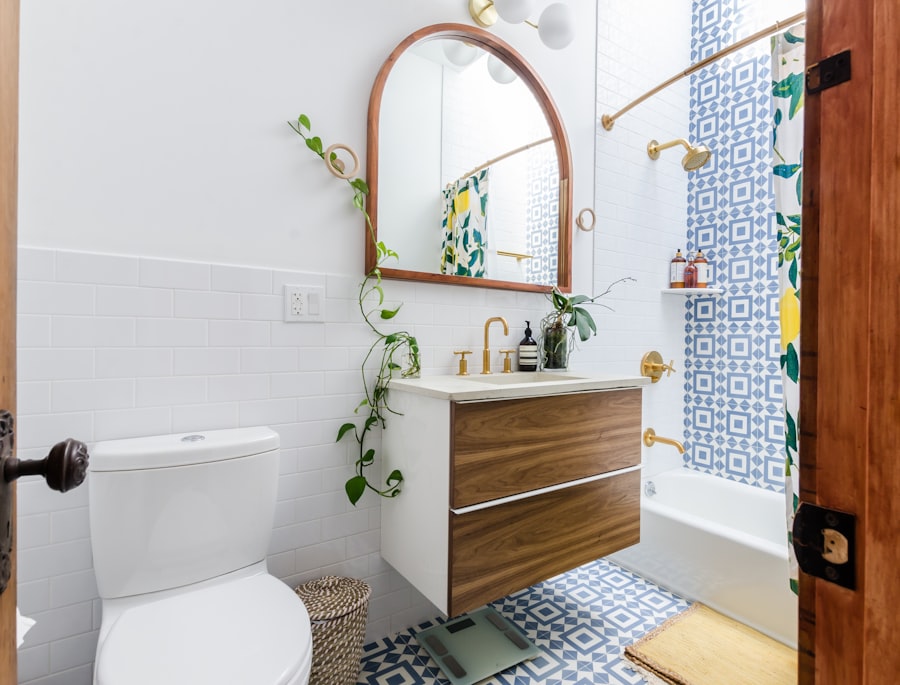
When it comes to material costs in a bathroom remodel, there are several key components that contribute to the overall expense. Tiles are often one of the most significant costs in a renovation project. The price can vary widely based on material type; for example, ceramic tiles may cost around $1 to $5 per square foot, while natural stone tiles can range from $5 to $15 or more per square foot.
Additionally, consider whether you want to include accent tiles or decorative borders, which can add both visual interest and additional costs. Fixtures are another major expense that should not be overlooked. This category includes items such as sinks, faucets, toilets, and bathtubs.
The price range for these fixtures can be vast; basic models may start at $100, while high-end designer options can exceed $1,000 each. When selecting fixtures, it’s essential to consider both aesthetics and functionality—choosing water-efficient models can lead to long-term savings on utility bills. Cabinetry also plays a significant role in material costs; custom cabinets can be quite expensive, often ranging from $500 to $1,500 per linear foot, while stock cabinets may be more budget-friendly at $100 to $300 per linear foot.
Labor Costs: Estimating the Price for Hiring Contractors and Plumbers in Brooklyn
Labor costs are another critical component of any bathroom remodel budget. In Brooklyn, hiring skilled contractors and plumbers can be particularly expensive due to high demand and living costs in the area. On average, labor costs for general contractors can range from $50 to $150 per hour, depending on their experience and reputation.
It’s essential to obtain multiple quotes from different professionals to ensure you’re getting a fair price for their services. Plumbing work is often one of the most specialized aspects of a bathroom remodel and can significantly impact labor costs. Plumbers typically charge between $75 and $150 per hour for their services.
If your remodel involves relocating plumbing fixtures or installing new systems, these costs can quickly add up. Additionally, consider hiring an electrician if you plan to update lighting or electrical outlets; electricians in Brooklyn generally charge similar rates as plumbers. To mitigate labor costs, some homeowners choose to take on smaller tasks themselves—such as demolition or painting—while leaving more complex work to professionals.
Hidden Costs: Unforeseen Expenses to Keep in Mind During the Remodeling Process
While planning your bathroom remodel budget, it’s essential to account for hidden costs that may arise during the renovation process. One common issue is discovering water damage or mold behind walls or under flooring once demolition begins. This can lead to additional expenses for repairs and remediation that were not initially anticipated.
Homeowners should consider conducting a thorough inspection before starting the project or budgeting extra funds for potential repairs. Another hidden cost could stem from permit fees required by local authorities for certain types of renovations. In Brooklyn, obtaining permits for plumbing or electrical work may incur fees ranging from $100 to several hundred dollars depending on the scope of work involved.
Additionally, if your remodel involves structural changes or moving walls, you may need to hire an architect or designer to ensure compliance with building codes—this can add further expenses that should be factored into your overall budget.
Cost-Saving Tips: Strategies for Reducing Expenses Without Sacrificing Quality
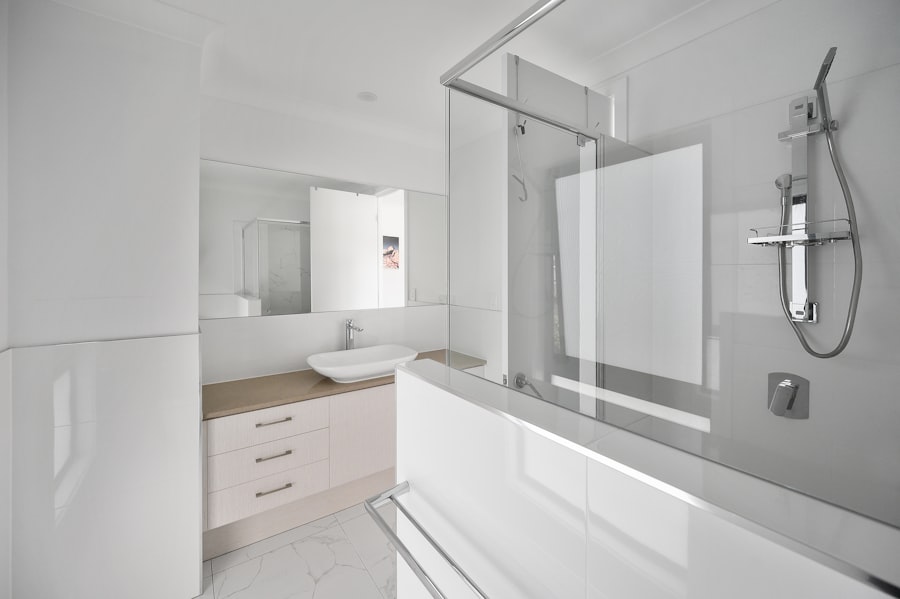
Finding ways to save money during a bathroom remodel doesn’t have to mean sacrificing quality or aesthetics. One effective strategy is to shop around for materials and fixtures; many retailers offer sales or discounts that can significantly reduce costs. Consider visiting local home improvement stores during clearance events or exploring online marketplaces where you might find high-quality items at reduced prices.
Another cost-saving approach is to keep the existing layout intact whenever possible. Moving plumbing fixtures can be one of the most expensive aspects of a remodel due to labor and material costs associated with rerouting pipes and electrical lines. By maintaining the current layout, you can allocate more of your budget toward high-quality finishes or features that enhance the overall design without incurring additional expenses.
Financing Options: Exploring Different Ways to Fund Your Bathroom Renovation Project
When it comes to financing your bathroom renovation project, there are several options available that can help ease the financial burden. One popular choice is a home equity loan or line of credit (HELOC), which allows homeowners to borrow against their property’s equity at relatively low-interest rates. This option can provide substantial funds for larger renovations while allowing homeowners to pay off the loan over time.
Another financing avenue is personal loans specifically designed for home improvement projects. These loans typically have fixed interest rates and repayment terms that make them manageable for homeowners looking to fund their renovations without tapping into their home equity. Additionally, some homeowners may consider credit cards with promotional 0% APR offers for short-term financing; however, it’s crucial to have a plan in place for paying off the balance before interest rates increase.
Finalizing the Budget: Creating a Comprehensive Breakdown of Costs for Your Brooklyn Bathroom Remodel
Once you have gathered all necessary information regarding material and labor costs, it’s time to finalize your budget by creating a comprehensive breakdown of expenses for your Brooklyn bathroom remodel. Start by listing all anticipated costs in categories such as materials, labor, permits, and contingencies. This detailed breakdown will provide clarity on where your money will be allocated and help identify areas where adjustments may be necessary.
As you finalize your budget, consider using budgeting software or spreadsheets that allow you to track expenses throughout the remodeling process actively. This will enable you to stay within your financial limits while also providing insight into any unexpected costs that may arise along the way. By maintaining an organized approach to budgeting, you’ll be better equipped to manage your bathroom renovation project effectively while ensuring that it aligns with your vision and financial goals.
If you’re looking to renovate your bathroom in Brooklyn, you may also be interested in checking out ESG Builders Ltd’s article on Cutting Edge Innovations in Hardware Technology. This article explores the latest trends and advancements in bathroom hardware that can elevate the look and functionality of your space. Additionally, ESG Builders Ltd offers professional basement remodeling services (link). These resources can provide you with valuable insights and inspiration for your next home improvement project.
FAQs
What are transitional bathroom ideas?
Transitional bathroom ideas combine elements of traditional and contemporary design to create a timeless and elegant look. This style often features clean lines, neutral colors, and a mix of modern and classic fixtures and materials.
What are some popular transitional bathroom design elements?
Popular transitional bathroom design elements include freestanding tubs, walk-in showers with glass enclosures, marble or granite countertops, subway tile, and brushed nickel or matte black fixtures. Neutral color palettes and natural materials are also common in transitional bathrooms.
What is the cost breakdown for bathroom remodeling in Brooklyn?
The cost of bathroom remodeling in Brooklyn can vary widely depending on the scope of the project, the materials used, and the contractor hired. On average, a mid-range bathroom remodel in Brooklyn can cost between $15,000 and $25,000, while a high-end remodel can cost $30,000 or more. This cost includes materials, labor, and any necessary permits or fees.
What factors can affect the cost of bathroom remodeling in Brooklyn?
Factors that can affect the cost of bathroom remodeling in Brooklyn include the size of the bathroom, the quality of materials used, the complexity of the design, and the contractor’s labor rates. Additional factors such as plumbing and electrical work, structural changes, and the need for custom or specialty fixtures can also impact the overall cost.