
A gut renovation is a comprehensive overhaul of a property, often involving the complete removal of existing structures, fixtures, and finishes to create a blank canvas for new design and functionality. This type of renovation is not merely cosmetic; it typically encompasses significant changes to the layout, plumbing, electrical systems, and even the building’s structural integrity. Homeowners may choose a gut renovation for various reasons, including outdated designs, inefficient layouts, or the desire to modernize an older property.
Understanding the full scope of such a project is crucial, as it sets the foundation for all subsequent planning and execution. When embarking on a gut renovation, it is essential to conduct a thorough assessment of the existing space. This includes evaluating the condition of walls, floors, ceilings, and any underlying systems such as plumbing and electrical wiring.
Homeowners should also consider their long-term goals for the space. For instance, are they looking to increase property value, improve energy efficiency, or create a more functional living environment? By clearly defining these objectives, homeowners can better communicate their vision to contractors and designers, ensuring that the renovation aligns with their expectations.
Key Takeaways
- Gut renovation involves a complete overhaul of the interior space, including structural changes and updates to plumbing, electrical, and HVAC systems.
- Budgeting and financing are crucial aspects of a gut renovation project, requiring careful planning and consideration of all costs involved.
- Finding the right contractor with experience in gut renovations is essential for a successful project outcome.
- Navigating the permitting process is a necessary step in ensuring that the renovation complies with local building codes and regulations.
- Selecting materials and finishes that align with your design vision and budget is a key part of the renovation process.
Budgeting and Financing Your Project
Budgeting for a gut renovation can be one of the most daunting aspects of the process. The costs can vary significantly based on factors such as location, the extent of the renovation, and the quality of materials chosen. A well-planned budget should account for not only the direct costs of construction but also indirect expenses such as permits, inspections, and potential temporary housing if the renovation displaces residents.
It is advisable to set aside an additional 10-20% of the total budget as a contingency fund to cover unexpected expenses that may arise during the project. Financing options for a gut renovation can also be diverse. Homeowners may consider traditional methods such as home equity loans or lines of credit, which allow them to borrow against the equity they have built in their property.
Alternatively, some may explore renovation-specific loans that cater to projects of this nature. Government-backed loans like FHA 203(k) loans can also be beneficial for those looking to finance both the purchase and renovation of a home in one package. Understanding these financing options and their implications is vital for homeowners to make informed decisions that align with their financial situation.
Finding the Right Contractor for the Job
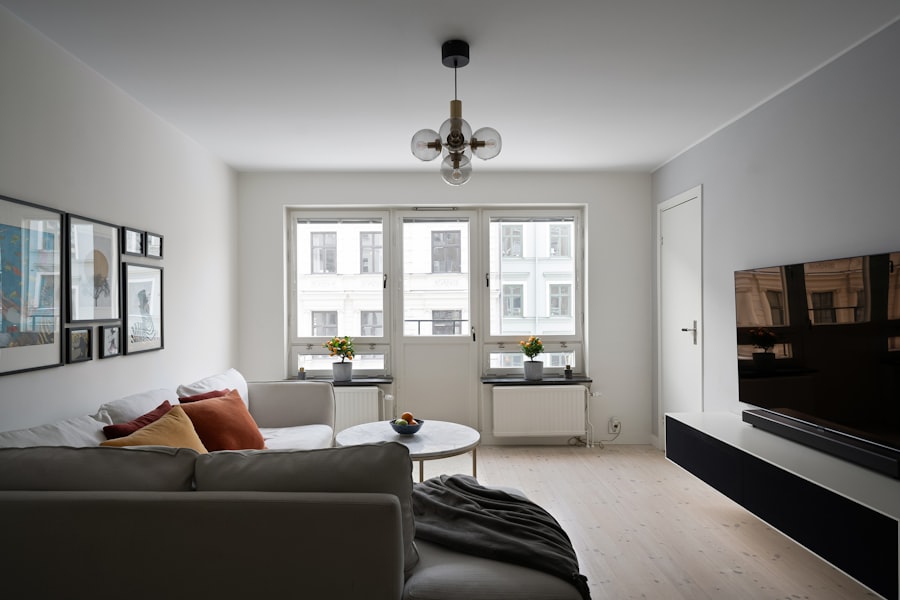
Selecting a contractor for a gut renovation is a critical step that can significantly influence the project’s success. The right contractor should not only possess the necessary skills and experience but also demonstrate a clear understanding of the homeowner’s vision and goals. It is advisable to seek recommendations from friends or family who have undergone similar renovations or to consult online reviews and ratings.
Once potential candidates are identified, homeowners should conduct interviews to gauge their expertise, communication style, and approach to project management. During the selection process, it is essential to request detailed estimates from multiple contractors. These estimates should outline labor costs, material expenses, and timelines.
Additionally, checking references and reviewing past projects can provide valuable insights into a contractor’s reliability and quality of work. Establishing a good rapport with the chosen contractor is equally important; open communication can help mitigate misunderstandings and ensure that the project progresses smoothly.
Navigating the Permitting Process
The permitting process is often one of the more complex aspects of a gut renovation. Depending on local regulations and the scope of work being undertaken, homeowners may need to secure various permits before construction can begin. This could include building permits, electrical permits, plumbing permits, and even zoning approvals if significant changes to the property’s footprint are planned.
Understanding these requirements early in the planning phase can save time and prevent costly delays later on. To navigate this process effectively, homeowners should familiarize themselves with their local building department’s requirements. Many municipalities provide resources online that outline necessary permits and application procedures.
Engaging with a knowledgeable contractor can also be beneficial; experienced professionals often have established relationships with local officials and can assist in expediting permit approvals. It is crucial to ensure that all work complies with local building codes and regulations to avoid potential fines or complications during inspections.
Selecting Materials and Finishes
Choosing materials and finishes is one of the most exciting yet challenging aspects of a gut renovation. The selections made during this phase will significantly impact both the aesthetic appeal and functionality of the space.
For instance, opting for sustainable materials like bamboo flooring or recycled glass countertops can enhance both the beauty and eco-friendliness of a home. In addition to sustainability, homeowners should also think about how their choices will affect the overall design theme they wish to achieve. Whether aiming for a modern minimalist look or a cozy traditional feel, each material contributes to the desired ambiance.
It is advisable to create mood boards or gather samples to visualize how different elements will work together in the space. Collaborating with an interior designer can also provide valuable insights into current trends and timeless choices that will enhance the home’s value.
Managing the Timeline and Expectations

Understanding the Importance of a Realistic Timeline
Establishing a realistic timeline for a gut renovation is essential for managing expectations throughout the project. While many homeowners hope for quick results, it is important to recognize that renovations often take longer than anticipated due to various factors such as permitting delays, supply chain issues, or unforeseen structural problems uncovered during demolition.
Creating a Well-Structured Timeline
A well-structured timeline should include milestones for each phase of construction, allowing homeowners to track progress and make adjustments as needed. This helps to ensure that the project stays on track and that any potential issues are addressed promptly.
Effective Communication and Flexibility
Effective communication with contractors is key to managing timelines effectively. Regular check-ins can help identify potential delays early on and allow for proactive solutions. Homeowners should also remain flexible; while it is important to have goals in mind, being adaptable can lead to better outcomes if challenges arise. By setting realistic expectations about what can be achieved within a given timeframe, homeowners can help maintain morale throughout the renovation process.
Dealing with Unexpected Challenges
No renovation project is without its share of unexpected challenges. From discovering hidden mold behind walls to encountering outdated electrical systems that require complete rewiring, surprises are often part of the gut renovation experience. Homeowners should prepare themselves mentally for these possibilities by maintaining an open line of communication with their contractors and being ready to make decisions quickly when issues arise.
Having a contingency plan in place can also alleviate some stress associated with unexpected challenges. This might involve setting aside additional funds specifically earmarked for unforeseen expenses or having alternative design options ready in case certain materials become unavailable. Embracing flexibility in both budget and design can help homeowners navigate these challenges more effectively while ensuring that their vision remains intact.
Settling into Your Newly Renovated Apartment
Once construction is complete, settling into a newly renovated apartment can be both exhilarating and overwhelming. The fresh space offers endless possibilities for personalization and comfort; however, it may take time to adjust to new layouts or features. Homeowners should take advantage of this opportunity to reflect on their design choices and make any necessary adjustments that enhance functionality or aesthetics.
Creating a welcoming environment involves more than just arranging furniture; it includes adding personal touches that make the space feel like home. This could involve selecting artwork that resonates with personal experiences or incorporating plants that bring life into the space. Additionally, homeowners should consider hosting gatherings with friends or family to celebrate their newly renovated home; sharing this milestone can foster connections and create lasting memories in their transformed living space.
If you are considering a gut renovation for your apartment in Brooklyn, you may also be interested in learning more about the architecture services offered by ESG Builders Ltd. Their expertise in designing and planning renovations can help you create the perfect space for your needs. Check out their website for more information on their architecture services: ESG Builders Ltd Architecture Services.
FAQs
What is a gut renovation?
A gut renovation involves completely stripping a space down to its bare bones, including removing all existing fixtures, finishes, and sometimes even the walls and floors. It allows for a complete redesign and reconfiguration of the space.
What can I expect during an apartment gut renovation in Brooklyn?
During an apartment gut renovation in Brooklyn, you can expect extensive demolition, structural work, new plumbing and electrical systems, installation of new fixtures and finishes, and a complete transformation of the space.
How long does a gut renovation typically take?
The timeline for a gut renovation can vary depending on the size of the apartment, the extent of the work, and any unforeseen complications. However, a typical gut renovation in Brooklyn can take anywhere from 3 to 6 months to complete.
What are the costs associated with a gut renovation in Brooklyn?
The costs of a gut renovation in Brooklyn can vary widely depending on the size of the apartment, the scope of the work, the quality of materials and finishes, and the contractor hired. It’s important to budget for both the initial construction costs as well as any potential unforeseen expenses.
Do I need permits for a gut renovation in Brooklyn?
Yes, you will likely need permits for a gut renovation in Brooklyn. Permits are required for most major construction and renovation projects, and it’s important to ensure that all necessary permits are obtained before work begins to avoid any potential legal issues.