
Eco-friendly gut renovation is a transformative approach to home improvement that prioritizes sustainability and environmental responsibility. One of the most significant benefits of this type of renovation is its positive impact on the environment. By utilizing sustainable materials and energy-efficient systems, homeowners can significantly reduce their carbon footprint.
For instance, opting for reclaimed wood instead of new lumber not only conserves forests but also reduces the energy consumption associated with manufacturing new materials. Additionally, eco-friendly renovations often incorporate better insulation and energy-efficient windows, which can lead to substantial reductions in heating and cooling costs over time. Beyond environmental benefits, eco-friendly gut renovations can enhance the overall quality of life for residents.
Homes designed with sustainability in mind often feature improved indoor air quality due to the use of non-toxic materials and better ventilation systems. This can lead to healthier living conditions, particularly for individuals with allergies or respiratory issues. Furthermore, many eco-friendly renovations focus on maximizing natural light and incorporating biophilic design elements, which can create a more pleasant and uplifting living environment.
The psychological benefits of living in a space that feels connected to nature cannot be overstated, as studies have shown that such environments can reduce stress and improve overall well-being.
Key Takeaways
- Eco-friendly gut renovation can lead to lower energy costs, improved indoor air quality, and reduced environmental impact.
- Look for contractors in Brooklyn with experience in eco-friendly renovations and a commitment to sustainable practices.
- Plan for sustainable materials and energy-efficient design to minimize environmental impact and maximize energy savings.
- Navigating the permitting process for eco-friendly renovations may require additional documentation and approvals.
- Managing waste and recycling during gut renovation is essential for minimizing environmental impact and maximizing resource efficiency.
Finding the Right Eco-Friendly Contractor in Brooklyn
Selecting the right contractor for an eco-friendly gut renovation is crucial to ensuring that the project aligns with sustainable practices. In Brooklyn, where the demand for green building practices is on the rise, there are numerous contractors who specialize in eco-friendly renovations.
This might include certifications such as LEED (Leadership in Energy and Environmental Design) or other green building credentials that demonstrate their expertise in environmentally responsible construction. Moreover, engaging with local communities and resources can provide valuable insights into reputable contractors. Networking through local environmental organizations or attending workshops focused on sustainable building can connect homeowners with contractors who share their values.
It is also beneficial to seek out reviews and testimonials from previous clients to gauge the contractor’s reliability and quality of work. A good contractor will not only understand the technical aspects of eco-friendly renovations but will also be willing to collaborate closely with homeowners to ensure that their vision is realized while adhering to sustainable practices.
Planning for Sustainable Materials and Energy-Efficient Design
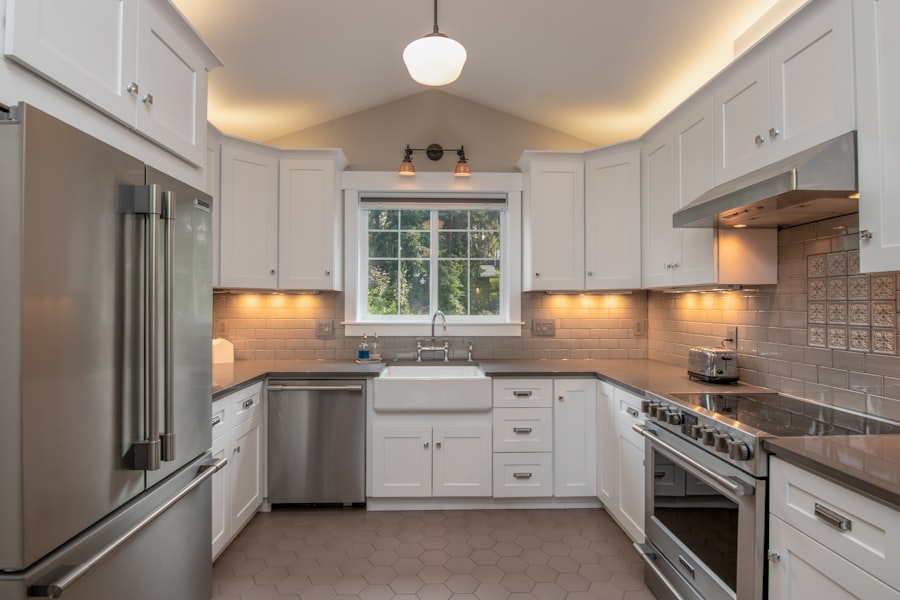
The planning phase of an eco-friendly gut renovation is critical, as it sets the foundation for sustainable practices throughout the project. Homeowners should prioritize sourcing sustainable materials that minimize environmental impact. For example, bamboo flooring is an excellent alternative to traditional hardwood, as it is rapidly renewable and has a lower carbon footprint.
Similarly, recycled materials such as glass tiles or reclaimed bricks can add unique aesthetic qualities while reducing waste. When selecting materials, it is essential to consider their lifecycle impacts, including extraction, production, transportation, and disposal. In addition to material selection, energy-efficient design plays a pivotal role in eco-friendly renovations.
This involves not only choosing energy-efficient appliances but also considering the overall layout and orientation of the home. For instance, strategically placing windows to maximize natural light can reduce reliance on artificial lighting during the day. Incorporating passive solar design principles—such as thermal mass and proper shading—can help regulate indoor temperatures without excessive reliance on heating or cooling systems.
Collaborating with an architect or designer who specializes in sustainable design can help homeowners create a cohesive plan that integrates these elements effectively.
Navigating the Permitting Process for Eco-Friendly Renovations
The permitting process for renovations can often be daunting, especially when it comes to eco-friendly projects that may involve unique materials or systems. In Brooklyn, homeowners must navigate local building codes and regulations that govern construction practices. Understanding these requirements is essential to avoid delays or complications during the renovation process.
It is advisable to consult with local authorities or a knowledgeable contractor who can provide guidance on necessary permits and inspections specific to eco-friendly renovations. Additionally, some municipalities offer incentives or expedited permitting processes for projects that meet certain sustainability criteria. Homeowners should research available programs that promote green building practices, as these can provide financial benefits or streamline the approval process.
Engaging with local environmental organizations can also offer insights into best practices for navigating the permitting landscape while ensuring compliance with all regulations.
Managing Waste and Recycling During Gut Renovation
Waste management is a critical aspect of any gut renovation, particularly when striving for eco-friendliness. Traditional renovations often generate significant amounts of debris that end up in landfills, contributing to environmental degradation. To mitigate this impact, homeowners should develop a comprehensive waste management plan that emphasizes recycling and repurposing materials whenever possible.
For instance, salvaged fixtures such as sinks or cabinets can be donated to local charities or resale shops, extending their lifecycle and reducing waste. Implementing a deconstruction approach rather than demolition can further enhance waste management efforts. Deconstruction involves carefully dismantling structures to salvage valuable materials for reuse or recycling.
This method not only minimizes waste but also preserves historical elements that may add character to a renovated space. Homeowners should work closely with their contractors to establish a waste management strategy that prioritizes recycling and responsible disposal methods throughout the renovation process.
Incorporating Green Technology and Energy-Saving Features
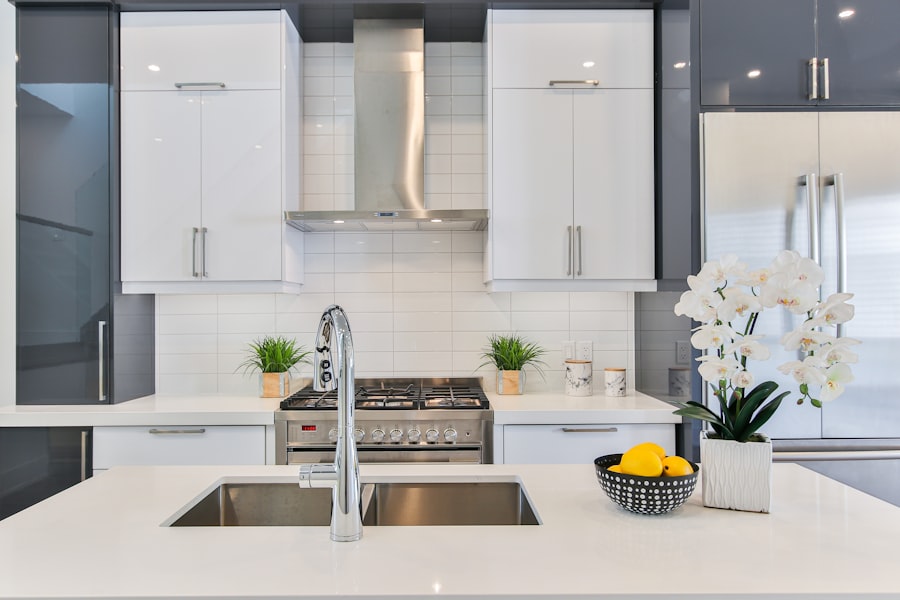
Integrating green technology into an eco-friendly gut renovation can significantly enhance energy efficiency and sustainability. Smart home technology has gained popularity in recent years, allowing homeowners to monitor and control energy usage more effectively. For example, smart thermostats can learn a household’s heating and cooling patterns, optimizing energy consumption based on occupancy and preferences.
Additionally, energy-efficient appliances equipped with smart technology can provide real-time feedback on usage, helping residents make informed decisions about their energy consumption. Solar panels are another impactful feature that can be incorporated into an eco-friendly renovation. By harnessing renewable energy from the sun, homeowners can reduce their reliance on fossil fuels and lower their utility bills over time.
In Brooklyn, where urban living often limits access to green spaces, rooftop gardens or green roofs can also be integrated into renovations to improve insulation and promote biodiversity while providing residents with a connection to nature in an urban environment.
Budgeting for Eco-Friendly Gut Renovation in Brooklyn
Budgeting for an eco-friendly gut renovation requires careful planning and consideration of various factors that may influence costs. While some sustainable materials and technologies may have higher upfront costs compared to traditional options, it is essential to view these expenses through a long-term lens. Energy-efficient systems often lead to significant savings on utility bills over time, making them a wise investment in the future of the home.
Homeowners should conduct thorough research on available products and technologies to identify options that fit within their budget while still aligning with their sustainability goals. Additionally, exploring financing options specifically designed for green renovations can provide financial relief during the budgeting process. Many banks and financial institutions offer loans or incentives for homeowners undertaking eco-friendly projects.
Furthermore, local government programs may provide grants or tax credits for energy-efficient upgrades, which can help offset initial costs. By leveraging these resources and carefully planning expenditures, homeowners can achieve their renovation goals without compromising their commitment to sustainability.
Enjoying the Long-Term Benefits of an Eco-Friendly Gut Renovation
The long-term benefits of an eco-friendly gut renovation extend far beyond immediate cost savings or aesthetic improvements; they encompass a holistic approach to living sustainably and responsibly within one’s community. One of the most significant advantages is the potential increase in property value associated with green renovations. As more buyers prioritize sustainability in their home searches, properties equipped with energy-efficient features and sustainable materials are likely to attract higher offers in the real estate market.
Moreover, living in an eco-friendly home fosters a sense of pride and responsibility towards environmental stewardship. Homeowners often find themselves more engaged in sustainable practices beyond their immediate living space—such as participating in community initiatives focused on conservation or supporting local businesses committed to sustainability. The ripple effect of an eco-friendly gut renovation can inspire others within the community to consider similar changes, ultimately contributing to a broader cultural shift towards sustainability in urban environments like Brooklyn.
In conclusion, embracing eco-friendly gut renovation not only enhances individual homes but also contributes positively to the environment and community at large. By understanding its benefits, finding the right contractors, planning effectively, navigating regulations, managing waste responsibly, incorporating green technology, budgeting wisely, and enjoying long-term advantages, homeowners can create spaces that reflect their values while promoting sustainability for future generations.
If you are considering a gut renovation in Brooklyn, it is important to prioritize safety during the construction process. ESG Builders Ltd. provides valuable insights on best practices for handling hardware in their article Safety First: Best Practices for Handling Hardware. This article offers tips and guidelines to ensure that the renovation project is carried out safely and efficiently.
FAQs
What is an eco-friendly gut renovation?
An eco-friendly gut renovation refers to a renovation process that focuses on minimizing environmental impact and maximizing energy efficiency. This can include using sustainable materials, reducing waste, and incorporating energy-efficient systems.
What are the benefits of an eco-friendly gut renovation?
The benefits of an eco-friendly gut renovation include reduced environmental impact, lower energy costs, improved indoor air quality, and increased property value. It also promotes sustainability and contributes to a healthier living environment.
What can I expect during an eco-friendly gut renovation in Brooklyn?
During an eco-friendly gut renovation in Brooklyn, you can expect a focus on sustainable materials, energy-efficient systems, and waste reduction. Contractors will prioritize environmentally friendly practices and products, such as low-VOC paints, recycled materials, and energy-efficient appliances.
How can I find a contractor for an eco-friendly gut renovation in Brooklyn?
To find a contractor for an eco-friendly gut renovation in Brooklyn, you can research local companies that specialize in sustainable building practices. Look for certifications such as LEED or Energy Star, and ask for references from previous eco-friendly renovation projects.
What are some popular eco-friendly materials for gut renovations in Brooklyn?
Popular eco-friendly materials for gut renovations in Brooklyn include reclaimed wood, bamboo flooring, recycled glass countertops, low-VOC paints, and energy-efficient windows and insulation. These materials are sustainable and contribute to a healthier living environment.