
Selecting the right contractor for a gut renovation is a critical step that can significantly influence the outcome of your project. The ideal contractor should not only possess the necessary skills and experience but also align with your vision and expectations. Start by seeking recommendations from friends, family, or real estate professionals who have undergone similar renovations.
Online platforms such as Yelp, Angie’s List, or Houzz can also provide valuable insights through reviews and ratings. When evaluating potential contractors, consider their portfolio of past projects, which can give you a sense of their style and capabilities. Once you have a shortlist of candidates, it’s essential to conduct interviews to gauge their communication skills and professionalism.
Ask about their experience with gut renovations specifically, as this type of project often involves unique challenges compared to standard renovations. Inquire about their approach to project management, timelines, and how they handle unforeseen issues. A contractor who is transparent about their processes and willing to answer your questions can foster a sense of trust and collaboration, which is vital for a successful renovation.
Key Takeaways
- Finding the right gut renovation contractor is crucial for a successful project. Look for experience, expertise, and positive reviews.
- The initial consultation and planning phase is essential for discussing your vision, setting expectations, and creating a realistic timeline and budget.
- Be prepared for permits and regulations, as gut renovations often require approval from local authorities. Your contractor should be well-versed in this process.
- Demolition and structural work are major aspects of gut renovations. Ensure your contractor has the necessary skills and equipment for this phase.
- Plumbing and electrical installation are critical for the functionality of your renovated space. Choose a contractor with a strong track record in these areas.
Initial Consultation and Planning
The initial consultation is a pivotal moment in the renovation process, as it sets the stage for the entire project. During this meeting, you will discuss your vision, budget, and timeline with the contractor. It’s important to articulate your goals clearly, whether you’re looking to modernize an outdated space or create an entirely new layout.
The contractor will likely ask probing questions to understand your needs better and may offer suggestions based on their expertise. This collaborative dialogue can help refine your ideas and ensure that both parties are on the same page. Following the initial consultation, the planning phase begins in earnest.
This stage involves creating detailed plans that outline the scope of work, including architectural drawings and design concepts. Depending on the complexity of the renovation, you may also need to engage an architect or designer to help visualize the space. This is also the time to establish a realistic budget that accounts for all aspects of the renovation, including materials, labor, and contingencies for unexpected expenses.
A well-thought-out plan not only streamlines the renovation process but also minimizes the risk of costly delays or changes down the line.
Permits and Regulations
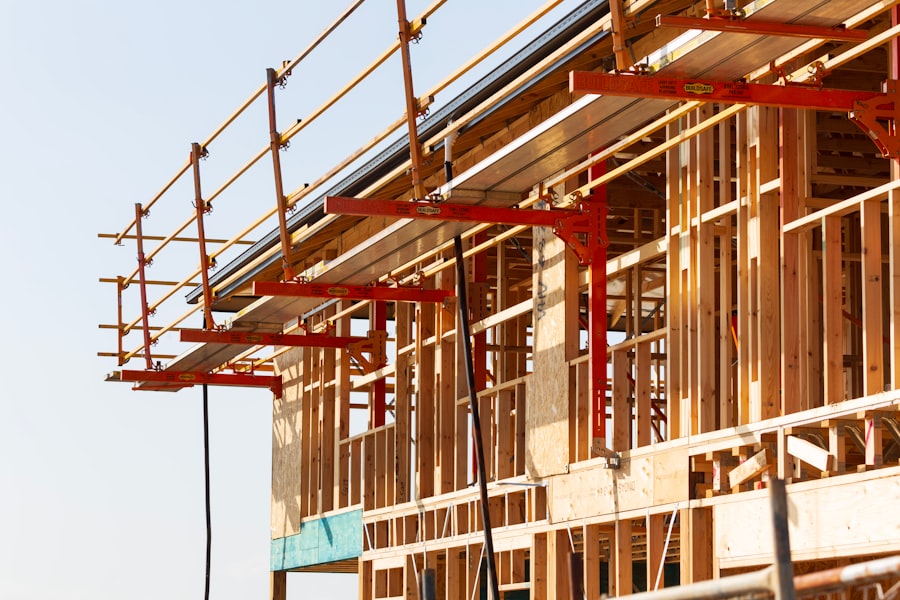
Navigating permits and regulations is a crucial aspect of any gut renovation project. Before any work can commence, it’s essential to understand the local building codes and zoning laws that apply to your property. These regulations can vary significantly depending on your location, so consulting with your contractor or a local building authority is advisable.
They can provide guidance on what permits are required for your specific renovation, which may include structural changes, electrical work, plumbing modifications, or even aesthetic alterations. Obtaining the necessary permits can be a time-consuming process, but it is vital for ensuring that your renovation complies with safety standards and legal requirements. Failing to secure the appropriate permits can lead to fines or even halt your project altogether.
Your contractor should be well-versed in this area and can often handle the permit application process on your behalf. They will ensure that all documentation is submitted correctly and that inspections are scheduled as required throughout the renovation.
Demolition and Structural Work
Once permits are secured, the demolition phase can begin. This stage involves stripping down the existing structure to its bare bones, which may include removing walls, flooring, fixtures, and other elements that no longer serve your vision. It’s essential to approach demolition with caution; not only does it require physical labor, but it also necessitates careful planning to avoid damaging any structural components that need to remain intact.
Your contractor will typically oversee this process, ensuring that safety protocols are followed and that debris is disposed of properly. Following demolition, structural work takes center stage. This phase may involve reinforcing existing structures or adding new elements such as beams or supports to accommodate your new design.
If you’re altering load-bearing walls or making significant changes to the layout, it’s crucial to work with a qualified structural engineer who can assess the integrity of your home and provide recommendations. This ensures that your renovation not only meets aesthetic goals but also adheres to safety standards.
Plumbing and Electrical Installation
With the structural framework in place, attention turns to plumbing and electrical installation—two critical components of any gut renovation. This phase requires skilled professionals who can ensure that all systems are installed correctly and meet local codes. Plumbing work may involve relocating pipes, installing new fixtures, or upgrading existing systems to improve efficiency.
It’s essential to consider water pressure, drainage, and accessibility when planning your plumbing layout.
This includes running new wiring, installing outlets and switches, and ensuring that lighting fixtures are positioned effectively throughout the space.
Therefore, hiring licensed electricians who are familiar with current codes is non-negotiable. Both plumbing and electrical systems should be thoroughly inspected before walls are closed up to ensure everything functions as intended.
Choosing Materials and Finishes

Selecting materials and finishes is one of the most exciting yet challenging aspects of a gut renovation. The choices you make during this phase will significantly impact both the aesthetic appeal and functionality of your space. Begin by considering your overall design vision—whether it leans toward modern minimalism, rustic charm, or something entirely unique.
Research various materials such as flooring options (hardwood, tile, laminate), countertops (granite, quartz, butcher block), and cabinetry styles that align with your vision. It’s also important to factor in durability and maintenance when choosing materials. For instance, while natural stone countertops may offer stunning visuals, they require regular sealing to prevent staining.
Similarly, certain flooring materials may be more suitable for high-traffic areas than others. Collaborating with your contractor or an interior designer can provide valuable insights into which materials will best suit your lifestyle while staying within budget constraints.
Project Timeline and Budget Management
Effective project management is essential for keeping a gut renovation on track regarding both timeline and budget. After establishing a detailed plan during the initial consultation phase, it’s crucial to create a realistic timeline that outlines each phase of the project—from demolition through final inspections. Your contractor should provide a schedule that includes milestones for each stage of work, allowing you to monitor progress and anticipate any potential delays.
Budget management is equally important; unexpected costs can arise at any point during a renovation project. To mitigate this risk, it’s wise to set aside a contingency fund—typically around 10-20% of your total budget—to cover unforeseen expenses such as structural repairs or changes in material costs. Regular communication with your contractor about budgetary concerns can help ensure that you remain within financial limits while still achieving your desired outcomes.
Final Inspections and Completion
As the renovation nears completion, final inspections become necessary to ensure that all work meets local building codes and safety standards. This process typically involves scheduling inspections with local authorities who will assess various aspects of the project—plumbing systems, electrical installations, structural integrity—before granting approval for occupancy. Your contractor should coordinate these inspections and address any issues that arise promptly.
Once all inspections are passed and any final touches are completed, you can prepare for the exciting moment of unveiling your newly renovated space. This stage often includes a thorough cleaning to remove construction debris and dust before moving in furniture and personal belongings. Celebrating this milestone with friends or family can be a rewarding way to acknowledge the hard work put into transforming your home into a space that reflects your style and meets your needs.
If you are considering a gut renovation in Brooklyn, you may also be interested in learning about the latest architectural trends to inspire your project. Check out this article for some fresh ideas on how to transform your space. Whether you are looking to create a basement bar lounge or simply update your home, these tips can help guide you through the renovation process.
FAQs
What is a gut renovation?
A gut renovation involves completely stripping a building down to its structural elements and rebuilding it from scratch. This typically includes removing all interior finishes, fixtures, and sometimes even the interior walls.
What should I expect from a gut renovation contractor in Brooklyn?
You can expect a gut renovation contractor in Brooklyn to handle all aspects of the renovation process, including obtaining necessary permits, coordinating with subcontractors, managing the construction timeline, and ensuring the project meets building codes and regulations.
How do I find a reputable gut renovation contractor in Brooklyn?
You can find a reputable gut renovation contractor in Brooklyn by asking for recommendations from friends or family, researching online reviews, checking with local trade organizations, and requesting references from potential contractors.
What should I consider when hiring a gut renovation contractor in Brooklyn?
When hiring a gut renovation contractor in Brooklyn, consider their experience with similar projects, their communication style, their ability to stay within budget and timeline, and their licensing and insurance credentials.
What are the typical steps involved in a gut renovation project?
The typical steps involved in a gut renovation project include planning and design, obtaining necessary permits, demolition and removal of existing materials, structural work, installation of new systems and finishes, and final inspections and approvals.