
A kitchen gut renovation is a comprehensive overhaul that involves stripping the space down to its bare bones, allowing for a complete reimagining of the layout, design, and functionality. This process typically includes removing cabinets, countertops, appliances, flooring, and sometimes even walls. The goal is to create a kitchen that not only meets the aesthetic desires of the homeowner but also enhances the overall efficiency and usability of the space.
Understanding the scope of such a project is crucial, as it sets the foundation for all subsequent decisions, from budgeting to contractor selection. When embarking on a kitchen gut renovation, it is essential to assess the existing layout and identify what works and what doesn’t. For instance, if the current kitchen has a poor workflow—where the refrigerator, sink, and stove are not in proximity—this is an opportunity to redesign the space for better efficiency.
Additionally, homeowners should consider their lifestyle needs; for example, families that frequently entertain may want an open-concept design that facilitates social interaction. By clearly defining the scope of the renovation, homeowners can ensure that their vision aligns with practical considerations, ultimately leading to a more satisfying outcome.
Key Takeaways
- Understanding the scope of a kitchen gut renovation is essential to ensure all necessary changes and improvements are accounted for.
- Budgeting and financing for your kitchen gut renovation requires careful planning and consideration of all costs involved.
- Finding the right contractor for your kitchen gut renovation is crucial for a successful and stress-free project.
- Choosing materials and appliances for your kitchen gut renovation should be based on quality, durability, and personal preferences.
- Preparing for the disruption of a kitchen gut renovation involves making alternative arrangements for cooking and dining during the construction process.
Budgeting and Financing for Your Kitchen Gut Renovation
Budgeting for a kitchen gut renovation can be one of the most daunting aspects of the process. The costs can vary significantly based on factors such as the size of the kitchen, the quality of materials chosen, and labor expenses. A typical kitchen renovation can range from $20,000 to $50,000 or more, depending on these variables.
It is vital to create a detailed budget that includes not only the cost of materials and labor but also permits, inspections, and unexpected expenses that may arise during the renovation. Financing options for a kitchen gut renovation are diverse and can be tailored to fit individual financial situations. Homeowners may consider using savings, taking out a home equity loan, or applying for a personal loan specifically designated for home improvements.
Some may also explore financing options offered by contractors or home improvement stores. It is advisable to shop around for the best interest rates and terms to ensure that the financial burden remains manageable throughout the renovation process. Additionally, homeowners should keep in mind that investing in a kitchen renovation can yield significant returns in terms of property value, making it a worthwhile financial endeavor.
Finding the Right Contractor for Your Kitchen Gut Renovation
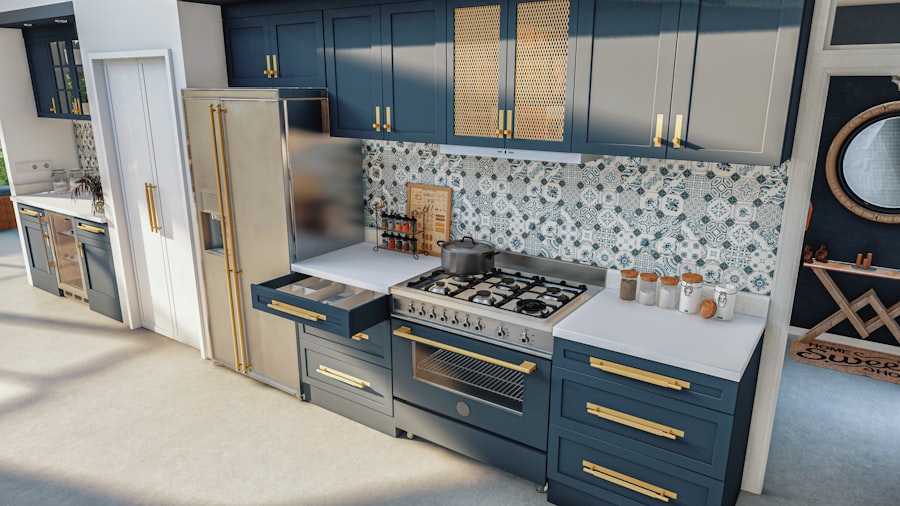
Selecting the right contractor is a critical step in ensuring the success of a kitchen gut renovation. A skilled contractor will not only bring expertise and experience to the project but will also help navigate potential challenges that may arise during construction. To find a reputable contractor, homeowners should seek recommendations from friends or family who have recently completed similar renovations.
Once potential contractors have been identified, it is essential to conduct thorough interviews and request detailed estimates. Homeowners should inquire about each contractor’s experience with kitchen renovations specifically, as this expertise can significantly impact the outcome of the project.
Additionally, checking references and viewing past projects can provide further assurance of a contractor’s capabilities. Clear communication regarding timelines, budgets, and expectations is vital to establishing a successful working relationship. A well-chosen contractor will not only execute the renovation efficiently but will also contribute valuable ideas and solutions throughout the process.
Choosing Materials and Appliances for Your Kitchen Gut Renovation
The selection of materials and appliances plays a pivotal role in defining both the aesthetic appeal and functionality of a newly renovated kitchen. Homeowners should consider factors such as durability, maintenance requirements, and style when choosing materials like countertops, cabinetry, flooring, and backsplashes. For instance, quartz countertops are popular for their durability and low maintenance compared to natural stone options like granite or marble.
Similarly, hardwood flooring offers warmth and character but requires more upkeep than tile or laminate alternatives. In addition to materials, selecting appliances that align with both lifestyle needs and design preferences is crucial. Energy-efficient appliances not only reduce utility bills but also contribute to a more sustainable home environment.
Homeowners should evaluate their cooking habits; for example, those who frequently entertain may benefit from a double oven or a larger refrigerator. Furthermore, integrating smart technology into appliances can enhance convenience and efficiency in daily tasks. By carefully considering both materials and appliances, homeowners can create a cohesive design that meets their functional requirements while reflecting their personal style.
Preparing for the Disruption of a Kitchen Gut Renovation
A kitchen gut renovation is inherently disruptive; therefore, preparing for this upheaval is essential for maintaining sanity throughout the process. Homeowners should begin by establishing a temporary kitchen space in another area of the home. This could involve setting up a small table with essential appliances like a microwave or toaster oven in a nearby room or even utilizing outdoor cooking equipment if weather permits.
Having access to basic cooking tools will help ease the transition during the renovation period. Communication with family members about the upcoming changes is equally important. Setting expectations regarding noise levels, dust, and limited access to certain areas of the home can help mitigate frustration during construction.
Additionally, homeowners should consider creating a schedule that outlines key milestones in the renovation process; this can provide clarity on when certain disruptions will occur and when they can expect progress to be made. By proactively preparing for these challenges, homeowners can navigate the renovation with greater ease and less stress.
Timeline and Phases of a Kitchen Gut Renovation

Understanding the timeline and phases of a kitchen gut renovation is crucial for effective planning and management of expectations. Typically, a complete gut renovation can take anywhere from six weeks to several months to complete, depending on the complexity of the project and any unforeseen issues that may arise. The process generally begins with demolition, where existing structures are removed to make way for new designs.
This phase can take anywhere from a few days to a week. Following demolition, contractors will move on to framing and electrical work, which may take an additional week or two. This phase involves installing new walls or altering existing ones to accommodate new layouts while ensuring that plumbing and electrical systems are up to code.
Once these foundational elements are in place, installation of cabinetry, countertops, flooring, and appliances begins. This phase often takes several weeks as it requires careful attention to detail to ensure everything fits perfectly and functions as intended. Finally, finishing touches such as painting and installing hardware will complete the renovation process.
Dealing with Unexpected Issues During a Kitchen Gut Renovation
Despite meticulous planning, unexpected issues often arise during a kitchen gut renovation that can derail timelines and budgets. Common problems include discovering water damage behind walls or outdated electrical systems that do not meet current codes. These issues can lead to additional costs and delays as contractors must address them before proceeding with the planned renovations.
Homeowners should be prepared for these contingencies by setting aside an additional 10-20% of their budget specifically for unforeseen expenses.
Homeowners should feel comfortable discussing any concerns or surprises that arise during construction.
A reputable contractor will provide solutions and alternatives while keeping homeowners informed about any changes in timelines or costs associated with addressing these issues. By maintaining open lines of communication and being flexible in their approach, homeowners can navigate these challenges more effectively while ensuring that their vision for the renovated kitchen remains intact.
Enjoying the Fruits of Your Kitchen Gut Renovation
Once the dust has settled and the renovation is complete, homeowners can finally enjoy their newly transformed kitchen space. This moment represents not just an aesthetic upgrade but also an enhancement in functionality that can significantly improve daily life. Whether it’s hosting family gatherings or simply enjoying quiet meals at home, a well-designed kitchen becomes the heart of any household.
The satisfaction derived from seeing one’s vision come to life is immeasurable; it’s an affirmation of all the hard work put into planning and executing the renovation. Moreover, a newly renovated kitchen often increases property value significantly—a factor that homeowners should consider when reflecting on their investment. Potential buyers frequently prioritize updated kitchens when searching for homes; thus, an attractive and functional kitchen can be a major selling point in real estate markets.
Beyond financial considerations, however, it’s about creating lasting memories in a space that fosters connection and creativity. Whether it’s baking cookies with children or experimenting with new recipes, the renovated kitchen becomes more than just a cooking area; it transforms into a cherished gathering place where life unfolds beautifully.
If you are considering a kitchen gut renovation in Brooklyn, you may also be interested in exploring the option of creating an outdoor oasis in your backyard. ESG Builders Ltd offers remodeling ideas for transforming your outdoor space into a relaxing retreat. From adding a patio or deck to installing a fire pit or outdoor kitchen, there are endless possibilities to enhance your outdoor living area. To learn more about creating your own outdoor oasis, visit ESG Builders Ltd.
FAQs
What is a kitchen gut renovation?
A kitchen gut renovation involves completely stripping the kitchen down to the studs and starting from scratch. This typically includes removing all existing fixtures, cabinets, appliances, and flooring.
What can I expect during a kitchen gut renovation in Brooklyn?
During a kitchen gut renovation in Brooklyn, you can expect the entire kitchen to be cleared out, including the removal of old cabinets, appliances, and flooring. The space will then be rebuilt with new fixtures, cabinets, appliances, and flooring according to the design plan.
How long does a kitchen gut renovation in Brooklyn typically take?
The timeline for a kitchen gut renovation in Brooklyn can vary depending on the size of the kitchen, the extent of the renovation, and any unforeseen issues that may arise. However, a typical kitchen gut renovation can take anywhere from 6-12 weeks to complete.
What are the costs associated with a kitchen gut renovation in Brooklyn?
The costs of a kitchen gut renovation in Brooklyn can vary widely depending on the size of the kitchen, the quality of materials and fixtures chosen, and the extent of the renovation. On average, a kitchen gut renovation in Brooklyn can cost anywhere from $25,000 to $50,000 or more.
Do I need permits for a kitchen gut renovation in Brooklyn?
Yes, you will likely need permits for a kitchen gut renovation in Brooklyn. It’s important to check with the local building department to determine the specific permits required for your renovation project.
Should I hire a professional for my kitchen gut renovation in Brooklyn?
It is highly recommended to hire a professional contractor for a kitchen gut renovation in Brooklyn. A professional contractor will have the expertise and experience to ensure that the renovation is completed safely, efficiently, and up to code.