
Incorporating retro styles into modern homes, particularly when reimagining basement spaces, offers a unique blend of nostalgia and contemporary comfort. By thoughtfully integrating vintage elements, homeowners can transform underutilized basements into vibrant, functional areas that pay homage to past aesthetics while meeting present-day needs.
1. Embrace Mid-Century Modern Design
Mid-century modern design, characterized by clean lines, organic curves, and functional forms, seamlessly integrates into contemporary spaces. In basements, consider adding vintage furniture pieces like sleek wooden coffee tables or retro-inspired seating. These elements not only enhance visual appeal but also serve practical purposes.
2. Utilize Retro Color Palettes
Incorporating color schemes from the 1960s and 70s can infuse warmth and character into a basement remodel. Earthy tones such as mustard yellow, avocado green, and burnt orange can be applied through accent walls, upholstery, or decorative accessories, creating a cozy and inviting atmosphere.
3. Install Vintage Lighting Fixtures
Lighting plays a crucial role in setting the ambiance of a space. Opt for retro-style pendant lights, sconces, or floor lamps with brass or chrome finishes to evoke a vintage feel. These fixtures can serve as focal points while providing adequate illumination for the basement area.
4. Incorporate Classic Patterns and Textures
Introduce patterns such as geometric shapes, bold stripes, or floral motifs reminiscent of the retro era. These can be integrated through wallpaper, area rugs, or throw pillows. Pairing these patterns with textures like velvet or corduroy can add depth and tactile interest to the space.
5. Create a Retro-Inspired Entertainment Zone
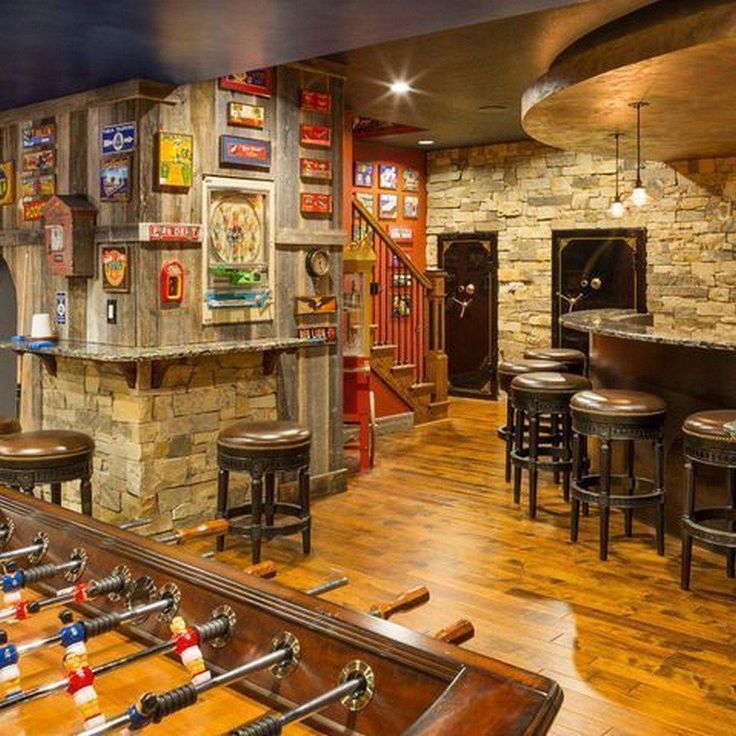
Transforming the basement into a retro-themed entertainment area can be both functional and stylish. Consider installing a vintage-style bar with chrome stools, a classic jukebox, or a record player setup. These additions not only serve entertainment purposes but also enhance the nostalgic ambiance.
6. Display Vintage Art and Memorabilia
Adorning walls with vintage posters, classic album covers, or retro advertisements can personalize the basement space. These art pieces act as conversation starters and reinforce the chosen retro theme, adding authenticity to the design.
7. Blend Retro Elements with Modern Amenities
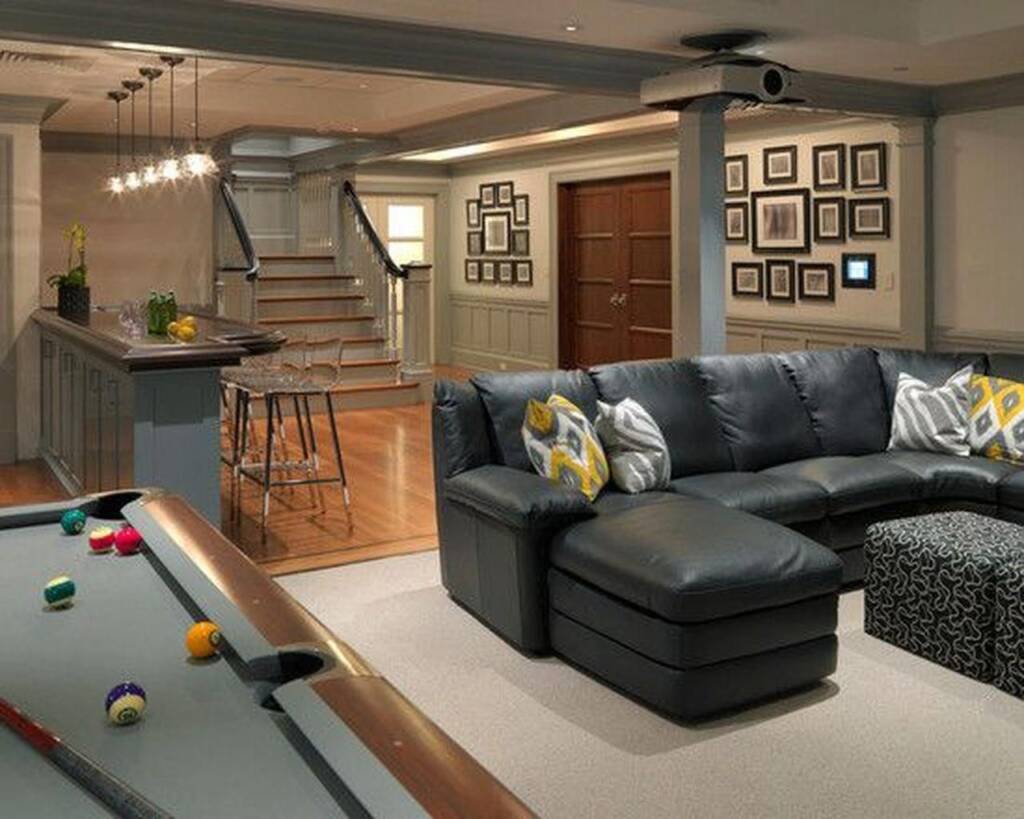
To ensure functionality, it’s essential to balance retro aesthetics with modern conveniences. For instance, pairing a vintage coffee table with a contemporary sectional sofa or integrating modern appliances into a retro-themed kitchenette can create a harmonious blend of old and new.
8. Incorporate Retro Flooring Options
Flooring significantly impacts the overall feel of a space. Consider using materials like terrazzo, checkerboard tiles, or shag carpeting to evoke a retro vibe. These flooring options can set the foundation for the rest of the basement’s design elements.
9. Add Vintage Accessories
Small accessories like rotary dial phones, antique clocks, or retro signage can enhance the nostalgic atmosphere. These items, strategically placed, contribute to the overall theme without overwhelming the space.
10. Maintain Cohesiveness with a Unifying Theme
While incorporating various retro elements, it’s crucial to maintain a cohesive design. Selecting a specific decade or style as the primary theme ensures harmony and prevents the space from feeling disjointed.
By thoughtfully integrating retro styles into modern basements, homeowners can create unique spaces that celebrate the charm of the past while accommodating contemporary lifestyles.
FAQs
Q1: How can I ensure that retro elements don’t make my basement look outdated?
A1: Balance is key. Integrate retro elements as accents rather than the dominant theme. Combining vintage pieces with modern furnishings creates a timeless and curated look.
Q2: Where can I source authentic retro furniture and decor?
A2: Consider visiting local antique shops, flea markets, or online platforms specializing in vintage items. Additionally, some modern retailers offer reproductions of classic designs.
Q3: Can I incorporate retro styles on a limited budget?
A3: Absolutely. Start with small accents like throw pillows, artwork, or lighting fixtures. DIY projects, such as refurbishing old furniture, can also be cost-effective ways to introduce retro elements.
Q4: How do I choose the right color palette for a retro-themed basement?
A4: Research color trends from the specific era you’re inspired by. For example, the 1970s favored earthy tones, while the 1950s embraced pastels and bold primary colors.
Q5: Is it necessary to stick to one retro era, or can I mix elements from different decades?
A5: Mixing elements from different decades can result in an eclectic and personalized space. However, ensure there’s a unifying factor, such as color scheme or design style, to maintain cohesiveness.
By addressing these considerations, you can successfully incorporate retro styles into your modern basement remodel, creating a space that’s both nostalgic and functional.