
The construction industry has seen a significant shift towards sustainability, driven by the urgent need to reduce environmental impact and promote resource efficiency. Sustainable materials are those that are sourced responsibly, have a lower carbon footprint, and contribute to the overall health of the environment. For instance, bamboo has emerged as a popular alternative to traditional timber due to its rapid growth rate and ability to sequester carbon.
Unlike hardwoods, which can take decades to mature, bamboo can be harvested in just three to five years, making it a highly renewable resource. Additionally, reclaimed wood is gaining traction as builders seek to repurpose materials from old structures, thereby reducing waste and preserving the character of historical buildings. Construction techniques have also evolved to embrace sustainability.
Techniques such as modular construction and prefabrication allow for more efficient use of materials and reduced waste. By assembling components off-site in a controlled environment, builders can minimize errors and optimize resource use. This method not only shortens construction time but also reduces the environmental impact associated with traditional building practices.
Furthermore, the use of low-VOC (volatile organic compounds) paints and finishes contributes to healthier indoor air quality, making sustainable construction not just an environmental imperative but also a public health concern.
Key Takeaways
- Sustainable materials and construction techniques are essential for reducing the environmental impact of building projects.
- Energy-efficient HVAC systems help to minimize energy consumption and reduce utility costs.
- Solar panels and renewable energy sources are crucial for transitioning to a more sustainable and eco-friendly energy supply.
- Water conservation and recycling systems are important for reducing water waste and promoting sustainable water usage.
- High-performance insulation and windows are key for improving energy efficiency and reducing heating and cooling costs.
Energy-Efficient HVAC Systems
Heating, ventilation, and air conditioning (HVAC) systems are critical components of modern buildings, yet they are often responsible for a significant portion of energy consumption.
One of the most effective strategies is the implementation of variable refrigerant flow (VRF) systems, which allow for precise temperature control in different zones of a building.
By adjusting the flow of refrigerant based on real-time demand, VRF systems can significantly reduce energy consumption compared to traditional HVAC systems. In addition to advanced technology, regular maintenance plays a crucial role in ensuring HVAC systems operate efficiently. Routine inspections and filter changes can prevent energy waste caused by clogged filters or malfunctioning components.
Moreover, integrating smart thermostats into HVAC systems enables homeowners to optimize energy use by adjusting settings based on occupancy patterns. For example, a smart thermostat can learn when residents are typically home or away and adjust heating or cooling accordingly, leading to substantial energy savings over time.
Solar Panels and Renewable Energy Sources
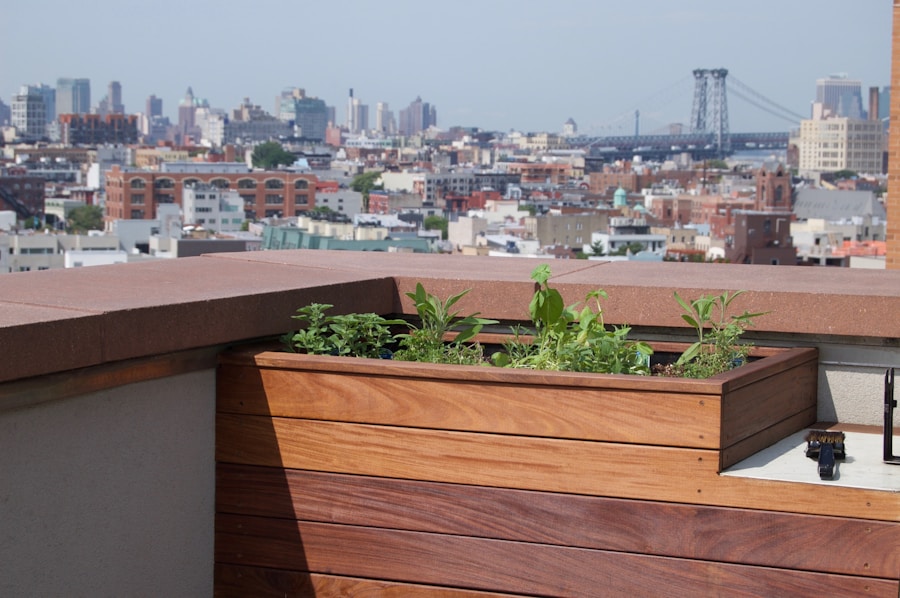
The adoption of solar panels has revolutionized the way we think about energy generation in residential and commercial buildings. Solar photovoltaic (PV) systems convert sunlight into electricity, providing a clean and renewable source of energy that can significantly reduce reliance on fossil fuels. The decreasing cost of solar technology has made it more accessible than ever, with many homeowners now able to offset their electricity bills through net metering programs that allow them to sell excess energy back to the grid.
Beyond solar panels, other renewable energy sources are gaining traction in sustainable building practices. Wind turbines, for instance, can be integrated into larger properties or communities to harness wind energy. Geothermal heating and cooling systems utilize the earth’s stable underground temperature to regulate indoor climates efficiently.
These systems not only reduce energy costs but also contribute to a more resilient energy infrastructure by diversifying the sources from which we draw power.
Water Conservation and Recycling Systems
Water scarcity is an increasingly pressing global issue, making water conservation an essential aspect of sustainable building design. Innovative water recycling systems can significantly reduce freshwater consumption by capturing and reusing greywater from sinks, showers, and washing machines for irrigation or toilet flushing. For example, some modern buildings incorporate dual plumbing systems that separate potable water from greywater, allowing for efficient reuse without compromising hygiene.
Rainwater harvesting is another effective strategy for water conservation. By collecting rainwater from roofs and directing it into storage tanks, buildings can utilize this resource for non-potable uses such as landscape irrigation or even flushing toilets. This practice not only reduces demand on municipal water supplies but also mitigates stormwater runoff, which can lead to erosion and water pollution in local waterways.
Implementing these systems requires careful planning and design but can yield significant long-term benefits for both the environment and building occupants.
High-Performance Insulation and Windows
Insulation plays a pivotal role in maintaining comfortable indoor temperatures while minimizing energy consumption for heating and cooling. High-performance insulation materials, such as spray foam or rigid foam boards, offer superior thermal resistance compared to traditional fiberglass insulation. These materials create an effective barrier against heat transfer, ensuring that buildings remain energy-efficient throughout the year.
Additionally, advancements in insulation technology have led to products that are not only more effective but also environmentally friendly, such as those made from recycled materials. Windows are another critical component of a building’s energy performance. High-performance windows equipped with low-emissivity (low-E) coatings can significantly reduce heat loss in winter and heat gain in summer.
These coatings reflect infrared light while allowing visible light to pass through, enhancing natural lighting without compromising thermal efficiency. Furthermore, triple-glazed windows provide even greater insulation compared to standard double-glazed options, making them an excellent choice for energy-conscious builders looking to maximize efficiency.
Green Roof and Living Walls
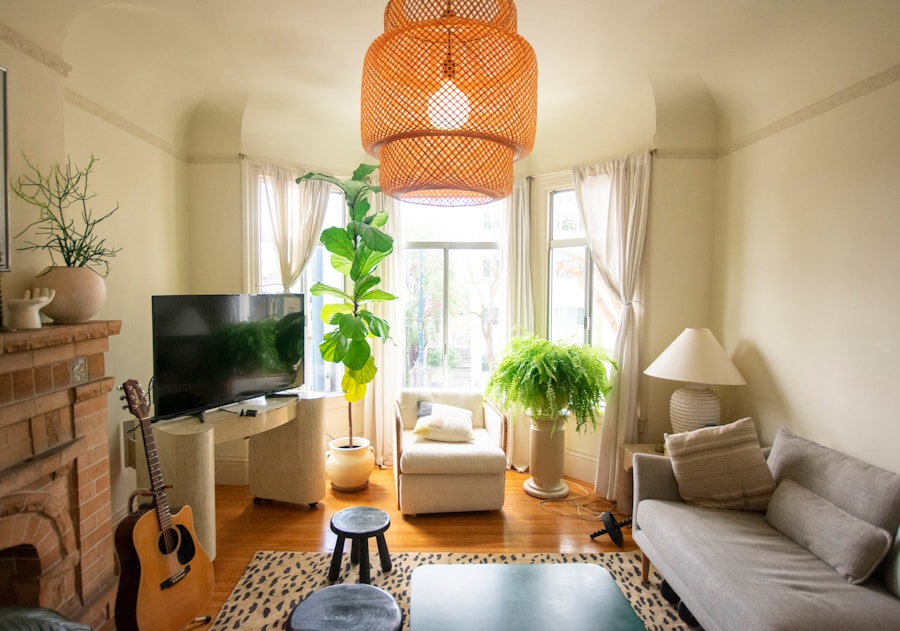
Green roofs and living walls represent innovative approaches to urban landscaping that provide numerous environmental benefits while enhancing aesthetic appeal. A green roof consists of a layer of vegetation planted over a waterproof membrane on a building’s roof. This system not only helps insulate the building but also absorbs rainwater, reducing stormwater runoff and mitigating the urban heat island effect.
In cities where green space is limited, green roofs can serve as vital habitats for birds and insects while improving air quality. Living walls, or vertical gardens, take this concept further by incorporating plant life into vertical surfaces of buildings. These installations can improve insulation, reduce noise pollution, and enhance biodiversity in urban environments.
Moreover, living walls can be designed with specific plant species that thrive in local climates, promoting native flora and fauna while providing visual interest. The integration of these green features into building design not only contributes to sustainability but also fosters a connection between urban dwellers and nature.
Smart Home Technology for Energy Management
The rise of smart home technology has transformed how we manage energy consumption in our homes. Smart devices such as programmable thermostats, smart lighting systems, and energy monitoring tools allow homeowners to optimize their energy use based on real-time data and personal preferences. For instance, smart thermostats can learn user habits over time and automatically adjust heating or cooling settings for maximum efficiency when residents are away.
Energy management systems (EMS) take this concept further by integrating various smart devices into a cohesive platform that provides insights into overall energy consumption patterns. Homeowners can track their usage through mobile apps, receive alerts about unusual spikes in energy consumption, and even control appliances remotely. This level of control not only empowers individuals to make informed decisions about their energy use but also contributes to broader efforts aimed at reducing overall demand on the grid during peak times.
Eco-Friendly Landscaping and Outdoor Spaces
Sustainable landscaping practices are essential for creating outdoor spaces that complement eco-friendly buildings while promoting biodiversity and conserving resources. Native plants are often at the forefront of these efforts; they require less water and maintenance than non-native species while providing essential habitats for local wildlife. By designing landscapes with native flora, homeowners can create vibrant gardens that thrive with minimal intervention.
Incorporating permeable paving materials into outdoor spaces is another effective strategy for promoting sustainability. These materials allow rainwater to infiltrate the ground rather than running off into storm drains, reducing erosion and improving groundwater recharge. Additionally, features such as rain gardens or bioswales can be integrated into landscaping designs to manage stormwater effectively while enhancing aesthetic appeal.
By prioritizing eco-friendly landscaping practices, property owners can create outdoor environments that are not only beautiful but also contribute positively to the surrounding ecosystem.
If you are considering incorporating eco-friendly features into your new home in Brooklyn, you may also be interested in reading about how open concept design can help expand spaces for a modern feel. Check out com/open-concept-expanding-spaces-for-a-modern-feel/’>this article to learn more about creating a seamless flow in your home.
Additionally, take a look at this portfolio showcasing unique wave-inspired designs that can add a touch of creativity to your space. And if you’re thinking about adding a basement bar or lounge area to your home, be sure to read about the installations featured in this article.
FAQs
What is design-build for a new home?
Design-build is a construction approach where the design and construction phases of a project are handled by a single entity. This streamlines the process and can lead to more efficient and cost-effective results.
What are some eco-friendly features to include in a new home?
Some eco-friendly features to include in a new home are energy-efficient appliances, solar panels, high-efficiency windows, proper insulation, and sustainable building materials.
Why is it important to include eco-friendly features in a new home?
Including eco-friendly features in a new home can help reduce energy consumption, lower utility bills, minimize environmental impact, and create a healthier living environment for the occupants.
How can a design-build approach incorporate eco-friendly features into a new home?
A design-build approach can incorporate eco-friendly features into a new home by integrating sustainable design principles from the beginning of the project, sourcing environmentally friendly materials, and utilizing energy-efficient construction techniques.
What are the benefits of building an eco-friendly home?
The benefits of building an eco-friendly home include lower energy costs, reduced environmental impact, improved indoor air quality, and potential for increased property value.