
Pre-war gut renovation refers to the comprehensive process of restoring and modernizing buildings constructed before World War II, particularly in urban settings like Brooklyn. These structures often possess unique architectural features and historical significance, making them desirable for both residential and commercial use. The charm of pre-war buildings lies in their craftsmanship, materials, and design elements that reflect the era in which they were built.
However, as these properties age, they may require extensive renovations to meet contemporary living standards while preserving their historical integrity. The gut renovation process typically involves stripping a building down to its core, allowing for a complete overhaul of the interior layout, systems, and finishes. This approach not only enhances the functionality of the space but also provides an opportunity to restore original features that may have been obscured or damaged over time.
In Brooklyn, where many neighborhoods are rich in history and character, pre-war gut renovations can breathe new life into these structures while maintaining their unique architectural identity. The challenge lies in balancing modern needs with the preservation of historical elements, ensuring that the renovated space honors its past while serving the present.
Key Takeaways
- Pre-war gut renovation involves renovating a property that was built before World War II, often requiring special considerations for preserving historic features.
- Historic preservation guidelines in Brooklyn are important to understand when renovating pre-war properties, as they aim to protect the neighborhood’s architectural character.
- Identifying and preserving original architectural features such as moldings, trim, and flooring is crucial in maintaining the historic integrity of the property.
- Choosing materials and finishes that complement the historic character of the property is essential for a successful renovation that respects its original design.
- Working with local preservation boards and committees, as well as navigating zoning and building code requirements, is necessary to ensure compliance with regulations for historic properties.
Understanding Historic Preservation Guidelines in Brooklyn
Brooklyn is home to a diverse array of historic districts and landmarks, each governed by specific preservation guidelines aimed at protecting the architectural heritage of the borough. These guidelines are established by local preservation boards and committees, which oversee renovations and alterations to ensure that they align with the historical context of the area. Understanding these regulations is crucial for homeowners and developers embarking on a pre-war gut renovation project.
Failure to comply with these guidelines can result in fines, delays, or even the denial of renovation permits. The New York City Landmarks Preservation Commission (LPC) plays a pivotal role in this process, providing resources and information on how to navigate the complexities of historic preservation. The LPC outlines criteria for what constitutes a landmark or historic district, including architectural significance, historical associations, and cultural value.
For property owners in Brooklyn, familiarizing themselves with these criteria is essential for making informed decisions about their renovation projects. Engaging with the LPC early in the planning process can help identify potential challenges and streamline the approval process, ultimately leading to a more successful renovation outcome.
Identifying and Preserving Original Architectural Features
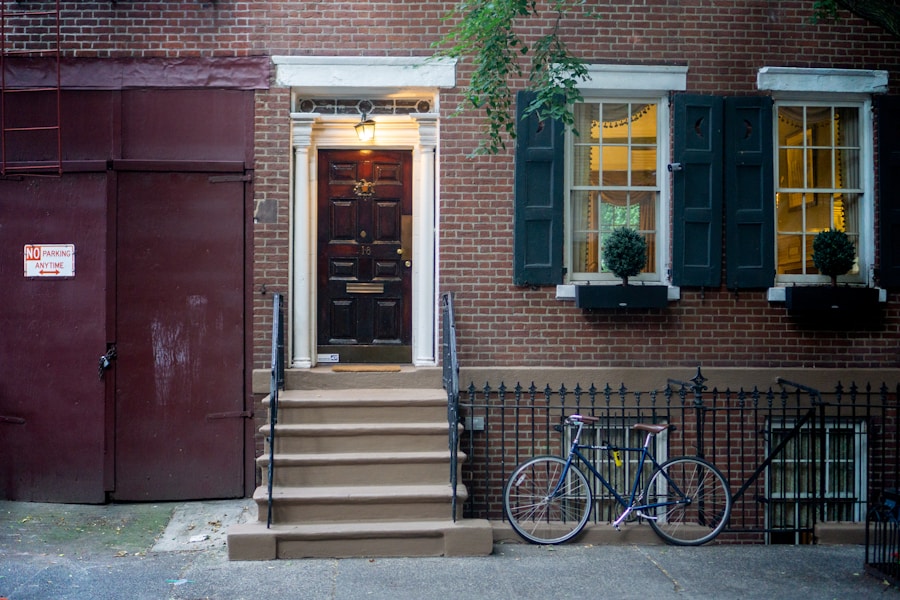
One of the most rewarding aspects of pre-war gut renovation is the opportunity to uncover and preserve original architectural features that contribute to a building’s character. These elements may include moldings, staircases, fireplaces, and decorative plasterwork that reflect the craftsmanship of the era. During the gut renovation process, it is essential to conduct a thorough assessment of the property to identify these features and determine their condition.
This assessment can involve careful examination of hidden areas, such as behind walls or under flooring, where original materials may have been concealed. Once identified, preserving these original features requires a delicate balance between restoration and modernization. For instance, if a building has ornate crown moldings that have been painted over or damaged, restoration may involve stripping away layers of paint and repairing any imperfections.
In some cases, it may be necessary to replicate missing elements using historically accurate materials and techniques. This commitment to authenticity not only enhances the aesthetic appeal of the space but also honors the building’s history and significance within the community.
Choosing Materials and Finishes that Complement the Historic Character
Selecting appropriate materials and finishes is a critical aspect of pre-war gut renovation that directly impacts the overall success of the project. The goal is to choose options that complement the building’s historic character while meeting modern standards for durability and functionality. For example, when replacing windows in a pre-war building, it is essential to select styles that match the original design—such as double-hung or casement windows—while also considering energy efficiency improvements.
In addition to windows, other materials such as flooring, cabinetry, and fixtures should be carefully considered. Hardwood floors are often a hallmark of pre-war buildings; therefore, restoring existing hardwood or selecting new materials that mimic their appearance can help maintain continuity throughout the space. Similarly, kitchen and bathroom finishes should reflect the era’s design sensibilities while incorporating modern conveniences.
For instance, opting for vintage-inspired fixtures or tiles can create a cohesive look that honors the building’s history while providing contemporary functionality.
Working with Local Preservation Boards and Committees
Collaboration with local preservation boards and committees is essential for navigating the complexities of pre-war gut renovations in Brooklyn. These organizations are tasked with ensuring that renovations adhere to established guidelines and respect the historical context of neighborhoods. Engaging with these entities early in the renovation process can provide valuable insights into what is permissible and what may require special consideration or approval.
When working with preservation boards, it is beneficial to present a well-researched proposal that outlines the intended renovations and how they align with preservation goals. This proposal should include detailed plans, photographs of existing conditions, and documentation of any original features that will be preserved or restored. By demonstrating a commitment to maintaining the building’s historical integrity, homeowners can foster positive relationships with preservation officials and increase the likelihood of receiving timely approvals for their projects.
Navigating Zoning and Building Code Requirements for Historic Properties
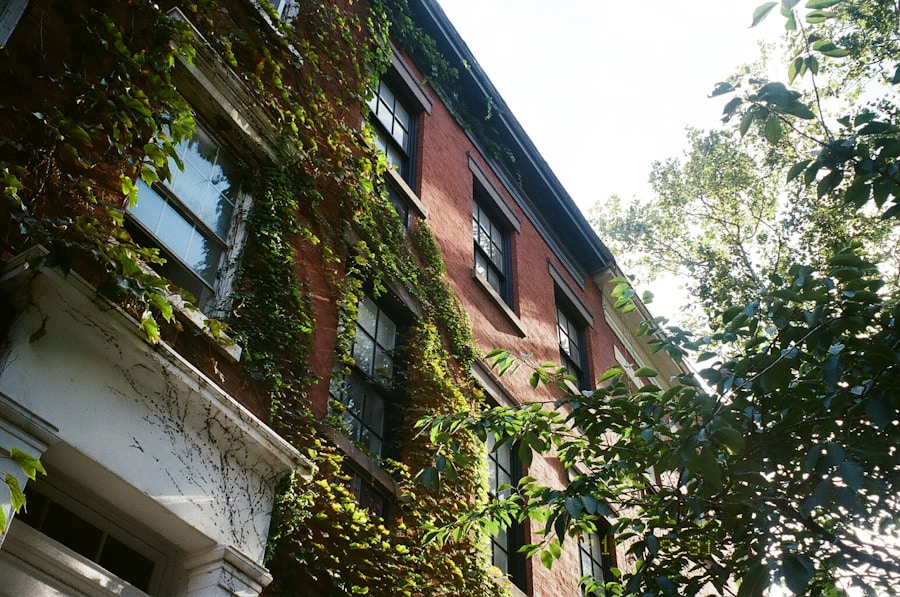
In addition to preservation guidelines, pre-war gut renovations must also comply with zoning regulations and building codes specific to historic properties. Zoning laws dictate how properties can be used and developed within certain areas, while building codes establish safety standards for construction practices. Understanding these regulations is crucial for ensuring that renovation projects proceed smoothly without legal complications.
For instance, zoning regulations may restrict certain types of alterations or expansions based on a property’s classification within a historic district. Homeowners must be aware of any limitations on height, bulk, or use that could impact their renovation plans. Additionally, building codes may require specific safety measures—such as fire escapes or accessibility features—that must be integrated into the design without compromising historical elements.
Engaging with professionals who have experience navigating these regulations can help streamline the process and ensure compliance throughout the renovation.
Hiring Experienced Contractors and Design Professionals
The success of a pre-war gut renovation heavily relies on hiring experienced contractors and design professionals who understand both modern construction practices and historic preservation principles. These experts bring valuable knowledge about working with older buildings, including techniques for restoring original features and integrating modern systems without compromising historical integrity. When selecting contractors, it is essential to seek out those with a proven track record in historic renovations.
This may involve reviewing portfolios of past projects, checking references from previous clients, and ensuring that they are familiar with local preservation guidelines. Similarly, collaborating with architects or designers who specialize in historic properties can provide insights into how best to approach renovations while respecting the building’s character. Their expertise can help navigate challenges that arise during construction and ensure that the final result aligns with both aesthetic goals and regulatory requirements.
Maintaining the Integrity of the Neighborhood and Community through Renovation
Pre-war gut renovations have broader implications beyond individual properties; they play a significant role in maintaining the integrity of neighborhoods and communities as a whole. By preserving historic buildings and their unique architectural features, homeowners contribute to the cultural fabric of their communities while enhancing property values and attracting new residents. Moreover, thoughtful renovations can foster a sense of pride among community members by showcasing the rich history and character of an area.
Engaging with neighbors during the renovation process can also promote goodwill and collaboration within the community. For instance, hosting informational sessions or sharing progress updates can create opportunities for dialogue about preservation efforts and encourage collective investment in maintaining neighborhood heritage. In conclusion, pre-war gut renovations present both challenges and opportunities for homeowners in Brooklyn seeking to restore historic properties while adapting them for modern living.
By understanding preservation guidelines, identifying original features, choosing appropriate materials, collaborating with local boards, navigating zoning requirements, hiring experienced professionals, and engaging with the community, property owners can successfully undertake renovations that honor their buildings’ histories while enhancing their neighborhoods’ character.
If you are considering a pre-war gut renovation in Brooklyn, you may also be interested in exploring clever architectural solutions for compact homes. This article offers tips and ideas for maximizing space and functionality in smaller living spaces, which could be helpful during the renovation process. Check out the article com/clever-architectural-solutions-for-compact-homes/’>here for more information.
FAQs
What is historic preservation?
Historic preservation is the practice of protecting and preserving buildings, objects, landscapes, and other artifacts with historical significance. This is done to maintain the cultural and historical integrity of a place for future generations.
What are some tips for historic preservation in Brooklyn townhomes?
Some tips for historic preservation in Brooklyn townhomes include researching the history of the building, understanding local preservation regulations, using appropriate materials and techniques for renovations, and consulting with preservation experts.
Why is historic preservation important for Brooklyn townhomes?
Historic preservation is important for Brooklyn townhomes because it helps maintain the unique character and charm of the neighborhood, preserves the history and heritage of the area, and contributes to the overall cultural and architectural diversity of the community.
What are some common challenges in pre-war gut renovation for Brooklyn townhomes?
Common challenges in pre-war gut renovation for Brooklyn townhomes include dealing with outdated infrastructure, navigating preservation regulations, preserving historic architectural details, and finding skilled professionals experienced in historic preservation.
How can homeowners balance modern amenities with historic preservation in Brooklyn townhomes?
Homeowners can balance modern amenities with historic preservation in Brooklyn townhomes by carefully integrating modern features while preserving the original architectural elements, using period-appropriate materials, and seeking guidance from preservation experts.