
In recent years, Brooklyn has witnessed a significant transformation in its construction landscape, with modular construction emerging as a prominent trend. This method, which involves prefabricating sections of a building in a factory setting before transporting them to the construction site for assembly, has gained traction due to its efficiency and adaptability. The borough’s real estate market, characterized by high demand and limited space, has created a fertile ground for innovative building solutions.
As urbanization continues to accelerate, the need for rapid housing solutions has never been more pressing, and modular construction offers a viable answer. The rise of modular construction in Brooklyn can be attributed to several factors, including the increasing cost of traditional construction methods and the growing emphasis on sustainability. Developers and builders are increasingly recognizing that modular construction can significantly reduce both time and labor costs while maintaining high-quality standards.
This shift is not merely a trend but rather a response to the unique challenges faced by Brooklyn’s housing market, where the demand for affordable housing is at an all-time high. As a result, modular construction is not only reshaping the skyline of Brooklyn but also redefining how homes are built in urban environments.
Key Takeaways
- Modular construction is on the rise in Brooklyn, offering a faster and more efficient way to build homes.
- The benefits of modular construction in Brooklyn include cost savings, reduced construction time, and improved quality control.
- Overcoming challenges in implementing modular construction in Brooklyn involves addressing zoning regulations, transportation logistics, and public perception.
- The environmental impact of modular construction in Brooklyn is positive, with reduced waste and energy consumption.
- Modular construction is cost-effective for Brooklyn housing, offering savings in both time and money.
The Benefits of Modular Construction for Home Building in Brooklyn
Faster Completion Times
In contrast, modular homes can be built in a fraction of that time, with some projects being completed in as little as a few weeks once the modules are on-site. This rapid turnaround not only meets the urgent housing needs of the community but also allows developers to capitalize on market opportunities more effectively.
Enhanced Quality Control
Modular construction offers enhanced quality control compared to traditional building methods. Since modules are constructed in a controlled factory environment, they are less susceptible to the variances and unpredictabilities that can occur on-site. This controlled setting allows for rigorous quality assurance processes, ensuring that each component meets stringent building codes and standards. For Brooklyn homeowners, this translates into greater peace of mind regarding the durability and safety of their homes.
A Sustainable Option
Additionally, the precision involved in modular construction often results in less waste, making it an attractive option for environmentally conscious consumers.
Overcoming Challenges in Implementing Modular Construction in Brooklyn

Despite its many advantages, the implementation of modular construction in Brooklyn is not without challenges. One significant hurdle is the perception of modular homes as inferior or less desirable compared to traditionally built houses. This stigma can be rooted in misconceptions about the quality and aesthetics of modular homes.
To combat this perception, industry stakeholders must focus on education and outreach efforts that highlight the benefits and successes of modular construction. By showcasing high-quality modular projects that blend seamlessly into Brooklyn’s diverse architectural landscape, builders can help shift public opinion and increase acceptance of this innovative building method. Another challenge lies in navigating the regulatory landscape that governs construction in New York City.
The city’s building codes and zoning regulations can be complex and may not always accommodate modular construction practices. Developers must work closely with city officials to ensure compliance with all necessary regulations while advocating for policies that support the growth of modular construction. This collaboration is essential for creating a more favorable environment for modular projects and ensuring that they can be integrated into Brooklyn’s existing neighborhoods without significant bureaucratic obstacles.
The Environmental Impact of Modular Construction in Brooklyn
The environmental implications of modular construction are increasingly relevant in today’s climate-conscious society. Modular building techniques often result in reduced waste generation compared to traditional construction methods.
This efficiency not only conserves resources but also aligns with Brooklyn’s broader sustainability goals. Furthermore, modular homes can be designed with energy efficiency in mind from the outset. Many manufacturers incorporate sustainable materials and energy-efficient systems into their designs, such as solar panels, high-performance insulation, and energy-efficient windows.
These features contribute to lower energy consumption over the life of the home, reducing the carbon footprint associated with residential living. As Brooklyn continues to grapple with issues related to climate change and urban heat islands, embracing modular construction could play a pivotal role in promoting sustainable development practices throughout the borough.
The Cost-Effectiveness of Modular Construction for Brooklyn Housing
Cost-effectiveness is a critical consideration for both developers and prospective homeowners in Brooklyn’s competitive housing market. Modular construction offers several financial advantages that can make it an appealing option for those looking to build or invest in new homes. One of the primary cost-saving benefits is the reduction in labor expenses associated with traditional construction methods.
With much of the work being completed off-site, labor costs can be significantly lower, allowing developers to allocate resources more efficiently. Additionally, the speed at which modular homes can be constructed translates into reduced financing costs for developers.
For homeowners, this can mean lower mortgage payments over time as they begin to build equity sooner rather than later. Furthermore, many modular homes are designed with long-term savings in mind through energy-efficient features that reduce utility bills over time. This combination of initial cost savings and long-term financial benefits makes modular construction an attractive option for those navigating Brooklyn’s housing market.
Design and Customization Options for Modular Homes in Brooklyn
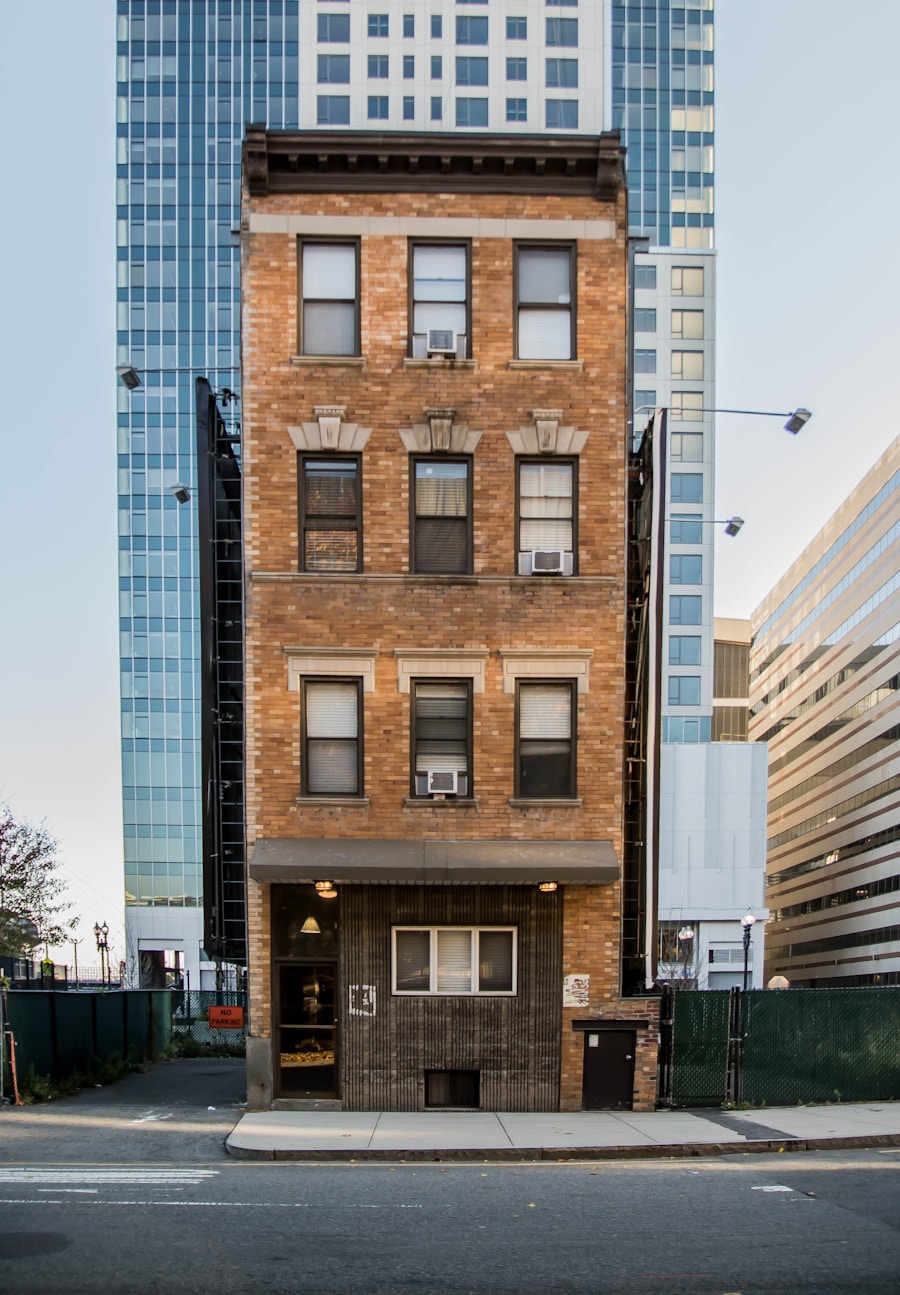
Customization Options
Many manufacturers now provide customizable options that allow homeowners to tailor their spaces according to their specific needs. For instance, families may choose open-concept layouts that promote social interaction or opt for additional bedrooms to accommodate growing households.
Exterior Finishes
Exterior finishes can be selected to harmonize with Brooklyn’s eclectic architectural styles, ensuring that modular homes blend seamlessly into their surroundings.
Creating a Sense of Home
This level of customization not only enhances aesthetic appeal but also empowers homeowners to create spaces that truly feel like home.
The Future of Modular Construction in Brooklyn’s Housing Market
As Brooklyn continues to evolve as a vibrant urban center, the future of modular construction appears promising. With ongoing advancements in technology and manufacturing processes, the potential for further innovation within this sector is vast. Emerging technologies such as 3D printing and advanced robotics are poised to revolutionize how modular components are produced, potentially leading to even greater efficiencies and cost savings.
Moreover, as public awareness of sustainability issues grows, there is likely to be increased demand for environmentally friendly building practices. Modular construction aligns well with these values, positioning it as a key player in addressing Brooklyn’s housing challenges while promoting sustainable development. As more developers recognize the benefits of modular techniques and work collaboratively with local governments to streamline regulations, it is reasonable to expect that this method will become an integral part of Brooklyn’s housing strategy moving forward.
Considering Modular Construction for Your Next Home Build in Brooklyn
For those contemplating a new home build in Brooklyn, exploring modular construction could be a game-changing decision. The combination of speed, cost-effectiveness, quality control, and design flexibility makes it an appealing option for many prospective homeowners. As urban living becomes increasingly complex and competitive, embracing innovative building methods like modular construction may provide a pathway toward achieving homeownership without compromising on quality or sustainability.
Engaging with experienced builders who specialize in modular construction can help potential homeowners navigate the process effectively. These professionals can provide valuable insights into design options, financing strategies, and regulatory considerations specific to Brooklyn’s unique landscape. By taking advantage of the benefits offered by modular construction, individuals can not only secure their dream homes but also contribute positively to the ongoing evolution of Brooklyn’s housing market—one that prioritizes efficiency, sustainability, and community integration.
If you are considering a full home build in Brooklyn, you may also want to explore the idea of modular housing as the future of housing in the area. Modular homes offer a more efficient and cost-effective way to build a home, as discussed in the article Comprehensive Guides for Modern Living Spaces. This article provides valuable insights into creating modern living spaces that are both functional and stylish. Additionally, efficient strategies to maximize your space, as outlined in Efficient Strategies to Maximize Your Space, can help you make the most of your new construction project in Brooklyn.
FAQs
What is a full home build in Brooklyn?
A full home build in Brooklyn refers to the construction of a new residential property from the ground up, including all aspects of the building process such as design, foundation, framing, and finishing.
What is modular housing?
Modular housing is a construction method where individual modules or sections of a building are prefabricated in a factory and then transported to the construction site for assembly. These modules are then assembled on-site to create a complete structure.
Is modular housing becoming popular in Brooklyn?
Yes, modular housing is gaining popularity in Brooklyn due to its potential for faster construction timelines, cost savings, and design flexibility. It is seen as a viable solution to address the housing shortage in the area.
What are the benefits of modular housing for Brooklyn?
Some of the benefits of modular housing for Brooklyn include faster construction timelines, reduced construction waste, cost savings, and the potential for high-quality, energy-efficient designs.
Are there any challenges associated with modular housing in Brooklyn?
Challenges associated with modular housing in Brooklyn may include zoning and permitting issues, transportation and logistics for delivering the modules to urban sites, and potential resistance from traditional construction industry stakeholders.