
Future-proofing is a concept that has gained significant traction in recent years, particularly in the realms of architecture, construction, and home design. At its core, future-proofing refers to the proactive measures taken to ensure that a home remains functional, relevant, and valuable over time. This approach is not merely about anticipating trends; it involves a comprehensive understanding of how societal shifts, technological advancements, and environmental changes can impact living spaces.
As families evolve and lifestyles change, the need for homes that can adapt to these transformations becomes increasingly critical. The importance of future-proofing cannot be overstated. In an era marked by rapid technological advancements and shifting demographics, homeowners must consider how their living spaces will accommodate future needs.
Similarly, as families grow or shrink, the need for flexible living arrangements becomes paramount. By investing in future-proofing strategies, homeowners can enhance their property’s longevity and marketability, ensuring that it remains a valuable asset for years to come.
Key Takeaways
- Future-proofing your home is important to ensure that it remains functional and valuable for years to come.
- Assess the current state of your home to identify areas that need improvement and future-proofing.
- Choose durable and sustainable materials for renovations to increase the longevity of your home.
- Incorporate smart home technology to make your home more efficient and convenient for the future.
- Plan for energy efficiency by investing in energy-saving appliances and insulation for long-term cost savings.
Assessing the Current State of Your Home
Before embarking on any future-proofing initiatives, it is essential to conduct a thorough assessment of your current home. This evaluation should encompass not only the physical structure but also the functionality of various spaces within the home. Begin by examining the layout and flow of your living areas.
Are there rooms that are underutilized or poorly designed? Identifying these inefficiencies can provide insight into how to optimize your space for future needs. Additionally, consider the condition of your home’s infrastructure.
This includes plumbing, electrical systems, and HVAC units. Aging systems can lead to costly repairs and inefficiencies down the line. A comprehensive inspection by a qualified professional can help identify potential issues before they become significant problems.
Furthermore, assessing your home’s energy efficiency is crucial. Are there areas where heat escapes or where cooling is inadequate? Addressing these concerns not only enhances comfort but also contributes to long-term sustainability.
Choosing Durable and Sustainable Materials
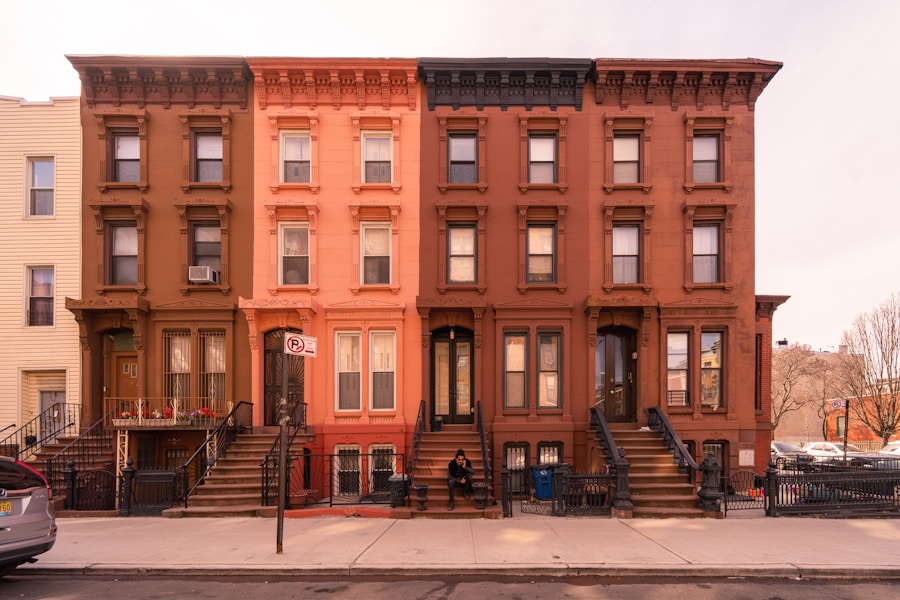
When it comes to future-proofing your home, the choice of materials plays a pivotal role in ensuring longevity and sustainability. Opting for durable materials can significantly reduce maintenance costs and extend the lifespan of various components within your home. For instance, hardwood flooring is often favored for its durability and timeless appeal, while engineered stone countertops offer both aesthetic value and resistance to wear and tear.
Sustainability is another critical factor in material selection. As environmental concerns continue to rise, homeowners are increasingly seeking eco-friendly options that minimize their carbon footprint. Reclaimed wood, bamboo flooring, and recycled metal roofing are excellent choices that not only contribute to a sustainable lifestyle but also add unique character to a home.
By prioritizing durable and sustainable materials, homeowners can create spaces that are not only beautiful but also resilient against the test of time.
Incorporating Smart Home Technology
The integration of smart home technology is a cornerstone of modern future-proofing strategies. As technology continues to evolve at an unprecedented pace, incorporating smart devices can enhance convenience, security, and energy efficiency within the home. Smart thermostats, for example, allow homeowners to monitor and adjust their heating and cooling systems remotely, optimizing energy usage based on real-time data.
Moreover, smart security systems provide peace of mind by enabling homeowners to monitor their property from anywhere in the world. Features such as video doorbells, motion sensors, and smart locks can be easily integrated into existing home security frameworks. As technology advances, these systems can be updated or expanded without requiring significant renovations.
By embracing smart home technology, homeowners not only enhance their living experience but also position their homes as adaptable spaces ready for future innovations.
Planning for Energy Efficiency
Energy efficiency is a critical component of future-proofing that has far-reaching implications for both the environment and household budgets. As energy costs continue to rise and climate change becomes an increasingly pressing issue, homeowners must prioritize strategies that reduce energy consumption. One effective approach is to invest in high-quality insulation and energy-efficient windows.
Proper insulation minimizes heat loss during winter months and keeps homes cool in summer, leading to significant savings on heating and cooling bills.
Solar energy not only reduces reliance on fossil fuels but can also provide substantial long-term savings on electricity costs.
Many governments offer incentives for homeowners who invest in renewable energy solutions, making this an opportune time to explore these options. By planning for energy efficiency now, homeowners can create a more sustainable living environment while also enhancing their property’s value.
Considering the Long-Term Needs of Your Family

Flexibility in Living Spaces
Open floor plans are increasingly popular as they allow for easy reconfiguration of living spaces based on changing needs.
Accessibility for All
Additionally, accessibility should be a key consideration in your future-proofing strategy. As family members age or face mobility challenges, having features such as wider doorways, single-story layouts, or even elevators can significantly enhance comfort and usability.
Long-Term Functionality
Planning for these changes in advance ensures that your home remains functional for all family members throughout various life stages.
Working with Experienced and Knowledgeable Contractors
The success of any future-proofing initiative largely depends on the expertise of the contractors involved in the project. Working with experienced professionals who understand the nuances of modern construction techniques and sustainable practices is vital. These experts can provide valuable insights into design choices, material selection, and energy-efficient solutions that align with your vision for a future-proof home.
Moreover, collaborating with knowledgeable contractors allows homeowners to stay informed about emerging trends and technologies in the industry. They can recommend innovative solutions that may not have been considered initially but could significantly enhance the functionality and sustainability of your home. Establishing a strong partnership with skilled contractors ensures that your future-proofing efforts are executed effectively and efficiently.
Budgeting for Future-Proofing Costs
Finally, budgeting for future-proofing costs is an essential aspect of the planning process. While investing in durable materials, smart technology, and energy-efficient solutions may require an upfront financial commitment, it is crucial to view these expenses as long-term investments rather than immediate costs. Creating a detailed budget that outlines anticipated expenses for each aspect of your future-proofing strategy will help you allocate resources effectively.
Consider exploring financing options or government incentives that may be available for energy-efficient upgrades or sustainable building practices. Many local governments offer rebates or tax credits for homeowners who invest in renewable energy solutions or make significant improvements to their homes’ energy efficiency. By taking advantage of these opportunities, you can offset some of the initial costs associated with future-proofing while ensuring that your home remains a valuable asset for years to come.
In conclusion, future-proofing your home is a multifaceted endeavor that requires careful consideration of various factors ranging from material selection to technological integration. By understanding the importance of this approach and taking proactive steps to assess your current living situation, choose sustainable materials, incorporate smart technology, plan for energy efficiency, consider long-term family needs, collaborate with experienced contractors, and budget effectively for costs, you can create a resilient living space that adapts to changing circumstances while enhancing both comfort and value over time.
If you are considering a triplex gut renovation in Brooklyn, you may also be interested in reading about how to future-proof your home during the renovation process. This article from ESG Builders Ltd provides valuable tips and insights on ensuring that your home is equipped to meet your needs for years to come. To learn more, visit Basement Gym Installation: How to Keep Your Basement Remodel on Budget in Brooklyn