
The kitchen is often regarded as the heart of the home, a place where families gather to prepare meals, share stories, and create lasting memories. However, it is also a space that poses numerous safety risks, particularly for families with young children. According to the National Safety Council, kitchen-related accidents are among the leading causes of injuries in the home.
From burns and cuts to slips and falls, the potential hazards are numerous.
To mitigate these risks, it is essential to adopt a proactive approach to kitchen safety.
This includes implementing childproofing measures such as cabinet locks, stove guards, and non-slip mats. Additionally, educating family members about kitchen safety practices—like handling knives properly and understanding the dangers of hot surfaces—can significantly reduce the likelihood of accidents. By fostering an environment where safety is paramount, families can enjoy their time in the kitchen without the constant worry of potential dangers lurking around every corner.
Key Takeaways
- Safety in family kitchens is crucial for preventing accidents and injuries, especially with children around.
- A functional and stylish kitchen layout can improve efficiency and make cooking and meal preparation more enjoyable.
- Choosing durable and easy-to-clean materials for kitchen surfaces and appliances can save time and effort in maintenance.
- Incorporating child-friendly features such as safety locks and rounded edges can make the kitchen a safer place for kids.
- Installing energy-efficient appliances not only saves money on utility bills but also reduces the kitchen’s environmental impact.
Designing a Functional and Stylish Kitchen Layout
A well-designed kitchen layout is crucial for both functionality and aesthetics. The kitchen triangle concept—where the stove, sink, and refrigerator are positioned in a triangular formation—remains a timeless guideline for efficient kitchen design. This layout minimizes unnecessary movement and allows for a seamless cooking experience.
However, modern kitchens often require more than just efficiency; they must also reflect the personal style of the family. Incorporating an open floor plan can enhance both functionality and social interaction. An open kitchen that flows into the dining or living area encourages family members to engage with one another while cooking or entertaining guests.
Additionally, integrating an island can serve multiple purposes: it can be a prep area, a casual dining spot, or even a homework station for children. By blending practicality with style, families can create a kitchen that not only meets their culinary needs but also serves as a welcoming space for gatherings.
Choosing Durable and Easy-to-Clean Materials
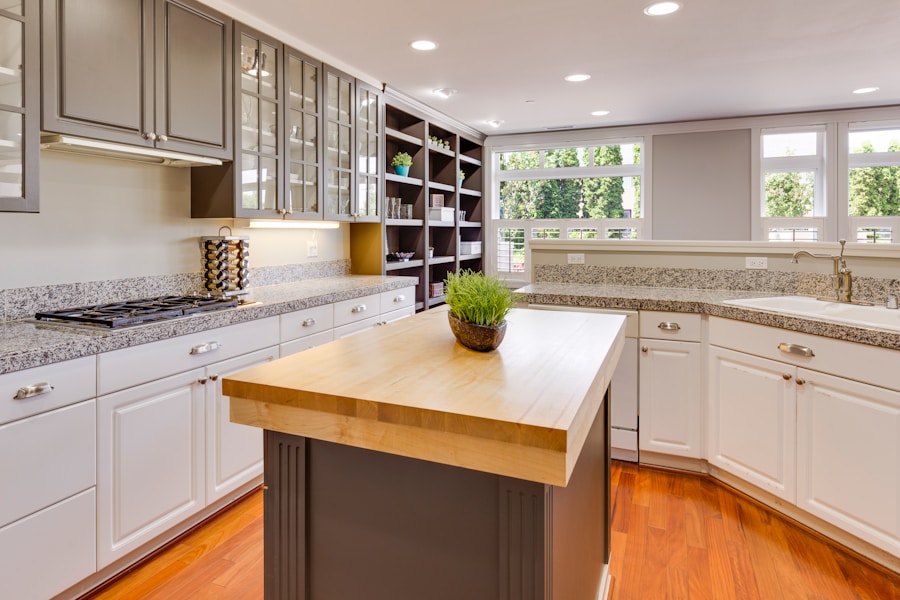
When it comes to selecting materials for a family kitchen, durability and ease of maintenance should be at the forefront of decision-making. High-traffic areas are prone to wear and tear, making it essential to choose materials that can withstand daily use while remaining visually appealing. For countertops, options like quartz or granite offer both resilience and elegance.
These materials are not only resistant to scratches and stains but also require minimal upkeep, making them ideal for busy families.
Tile and luxury vinyl plank are excellent choices due to their durability and ease of cleaning.
They can withstand spills and heavy foot traffic while providing a stylish look that complements the overall design of the kitchen. Furthermore, selecting cabinetry with finishes that resist fingerprints and smudges can help maintain a clean appearance without constant upkeep. By choosing materials that balance durability with aesthetic appeal, families can create a kitchen that stands the test of time.
Incorporating Child-Friendly Features
Creating a family-friendly kitchen goes beyond just safety; it involves designing spaces that cater to the needs of children as well. One effective way to achieve this is by incorporating child-friendly features that encourage participation in cooking and meal preparation. For instance, lower countertops or pull-out steps can allow children to reach sinks or prep areas safely, fostering independence while cooking.
Additionally, using rounded edges on countertops and tables can minimize the risk of injury from sharp corners. Installing soft-close cabinet doors can prevent little fingers from getting caught, while using non-toxic finishes ensures that any accidental contact with surfaces is safe for children. By integrating these thoughtful features into the kitchen design, families can create an environment where children feel empowered to explore their culinary skills while remaining safe.
Installing Energy-Efficient Appliances
In today’s environmentally conscious world, energy efficiency has become a significant consideration when selecting appliances for the kitchen. Energy-efficient appliances not only reduce utility bills but also contribute to a more sustainable lifestyle. For instance, ENERGY STAR-rated refrigerators, dishwashers, and ovens consume less energy compared to their conventional counterparts, making them an excellent investment for families looking to minimize their carbon footprint.
Moreover, modern energy-efficient appliances often come equipped with advanced technology that enhances functionality. Smart ovens can be programmed remotely via smartphone apps, allowing parents to preheat while on their way home from work or adjust cooking times without being physically present in the kitchen. By choosing energy-efficient appliances, families can enjoy the benefits of modern technology while promoting sustainability in their daily lives.
Maximizing Storage and Organization

A cluttered kitchen can lead to frustration and inefficiency during meal preparation. Therefore, maximizing storage and organization is essential for creating a functional family kitchen. Utilizing vertical space by installing shelves or cabinets that reach up to the ceiling can provide additional storage without taking up valuable floor space.
Pull-out drawers and lazy Susans can make accessing pots, pans, and pantry items easier while keeping everything organized. Incorporating multi-functional furniture can also enhance storage capabilities. For example, an island with built-in shelves or cabinets can serve as both a prep area and a storage solution for cookbooks or small appliances.
Additionally, using clear containers for pantry items not only keeps food organized but also allows family members to quickly identify what they need without rummaging through cluttered cabinets. By implementing smart storage solutions, families can maintain an organized kitchen that promotes efficiency and ease of use.
Enhancing Lighting for Safety and Ambiance
Proper lighting is crucial in any kitchen setting, as it directly impacts both safety and ambiance. A well-lit kitchen reduces the risk of accidents by ensuring that all areas are visible during food preparation and cooking. Task lighting—such as under-cabinet lights—can illuminate work surfaces where chopping or mixing occurs, while pendant lights over an island can provide focused illumination for cooking or dining.
In addition to functional lighting, incorporating ambient lighting can enhance the overall atmosphere of the kitchen. Dimmable lights allow families to adjust brightness levels based on the time of day or occasion, creating a warm and inviting environment for gatherings or casual family dinners. Furthermore, natural light should not be overlooked; strategically placed windows or skylights can flood the kitchen with sunlight during the day, promoting a cheerful atmosphere while reducing reliance on artificial lighting.
Creating a Family-Friendly Dining Area
The dining area is an extension of the kitchen and should reflect the same principles of functionality and comfort. A family-friendly dining space encourages togetherness during meals and provides an inviting atmosphere for conversations. Choosing a table that accommodates the entire family is essential; extendable tables offer flexibility for larger gatherings while maintaining intimacy during everyday meals.
Seating options should also prioritize comfort and practicality. Upholstered chairs may provide comfort but can be challenging to clean; instead, consider using wipeable materials or slipcovers that can be easily removed and washed. Additionally, incorporating elements like a built-in bench along one side of the table can create a cozy nook for family members while maximizing seating capacity.
Incorporating personal touches—such as family photos or artwork—can further enhance the dining area’s warmth and character. By designing a dining space that is both functional and inviting, families can foster connections over meals while creating cherished memories that last a lifetime.
If you are considering a home kitchen renovation in Brooklyn, NY, you may also be interested in learning about maximizing space through clever remodeling techniques. This article from ESG Builders Ltd discusses how to make the most of your kitchen space while still maintaining style and functionality. Check out the article here for more tips on creating a family-friendly kitchen that is both stylish and safe.
FAQs
What are the key considerations for a family kitchen renovation?
Key considerations for a family kitchen renovation include safety, functionality, durability, and style. It’s important to create a space that is safe for children, functional for everyday use, durable to withstand wear and tear, and stylish to reflect the family’s aesthetic preferences.
How can safety be incorporated into a kitchen renovation?
Safety can be incorporated into a kitchen renovation by installing childproof cabinet locks, rounded countertop edges, slip-resistant flooring, and non-toxic materials. Additionally, ensuring proper ventilation and adequate lighting can contribute to a safer kitchen environment.
What are some style options for family kitchens?
Style options for family kitchens include modern, farmhouse, traditional, and transitional designs. Each style can be customized to reflect the family’s personality and preferences, while also incorporating elements that are safe and practical for everyday use.
What are some popular features to include in a family kitchen renovation?
Popular features to include in a family kitchen renovation are a large island for additional workspace and seating, ample storage for organization, durable and easy-to-clean materials, and energy-efficient appliances. These features can enhance the functionality and convenience of the kitchen for the entire family.
How can a kitchen renovation improve the overall value of a home?
A kitchen renovation can improve the overall value of a home by modernizing the space, increasing its functionality, and enhancing its aesthetic appeal. A well-designed and updated kitchen is a major selling point for potential buyers and can significantly increase the resale value of the home.