
The permit process in Brooklyn is a critical aspect of any renovation project, particularly for homeowners looking to undertake significant changes to their properties. The New York City Department of Buildings (DOB) oversees this process, ensuring that all construction and renovation activities comply with local building codes, zoning laws, and safety regulations. Before embarking on a renovation, it is essential to understand the types of permits required, which can vary based on the scope of the project.
For instance, minor alterations may only require a simple alteration permit, while more extensive renovations, such as structural changes or additions, necessitate a full building permit. Navigating the permit process can be complex, especially in a borough like Brooklyn, where diverse architectural styles and historical considerations come into play. Homeowners must first determine whether their property is located in a zoning district that imposes specific restrictions or requirements.
Additionally, the DOB has established a series of guidelines and checklists to help applicants prepare their submissions. Familiarizing oneself with these resources can streamline the process and reduce the likelihood of delays or rejections. Engaging with local community boards and understanding neighborhood-specific regulations can also provide valuable insights into what is permissible within a given area.
Key Takeaways
- Understanding the permit process in Brooklyn is essential for a successful renovation project.
- Common permit pitfalls to avoid in brownstone basement renovations include overlooking zoning and building code regulations.
- Navigating zoning and building code regulations is crucial for a smooth permit process and avoiding delays.
- Working with a licensed contractor for permit compliance is important for ensuring the project meets all necessary requirements.
- The importance of proper documentation for permit approval cannot be overstated and can streamline the process.
Common Permit Pitfalls to Avoid in Brownstone Basement Renovations
Underestimating the Extent of Permit-Required Work
Many homeowners mistakenly believe that minor cosmetic changes, such as painting or installing new flooring, do not require official approval. However, even seemingly small alterations can trigger permit requirements if they affect structural integrity or change the use of the space. It is crucial to consult with the DOB or a knowledgeable contractor to ensure that all necessary permits are obtained before commencing work.
Inadequate Planning and Documentation
Homeowners often rush to submit their applications without thoroughly preparing the required drawings and specifications. The DOB requires detailed plans that illustrate how the proposed renovations will comply with building codes and zoning regulations.
Avoiding Pitfalls with Proper Planning and Expertise
To avoid this pitfall, it is advisable to work closely with an architect or designer who understands the intricacies of the permit process and can help create comprehensive plans that meet all necessary criteria.
Navigating Zoning and Building Code Regulations
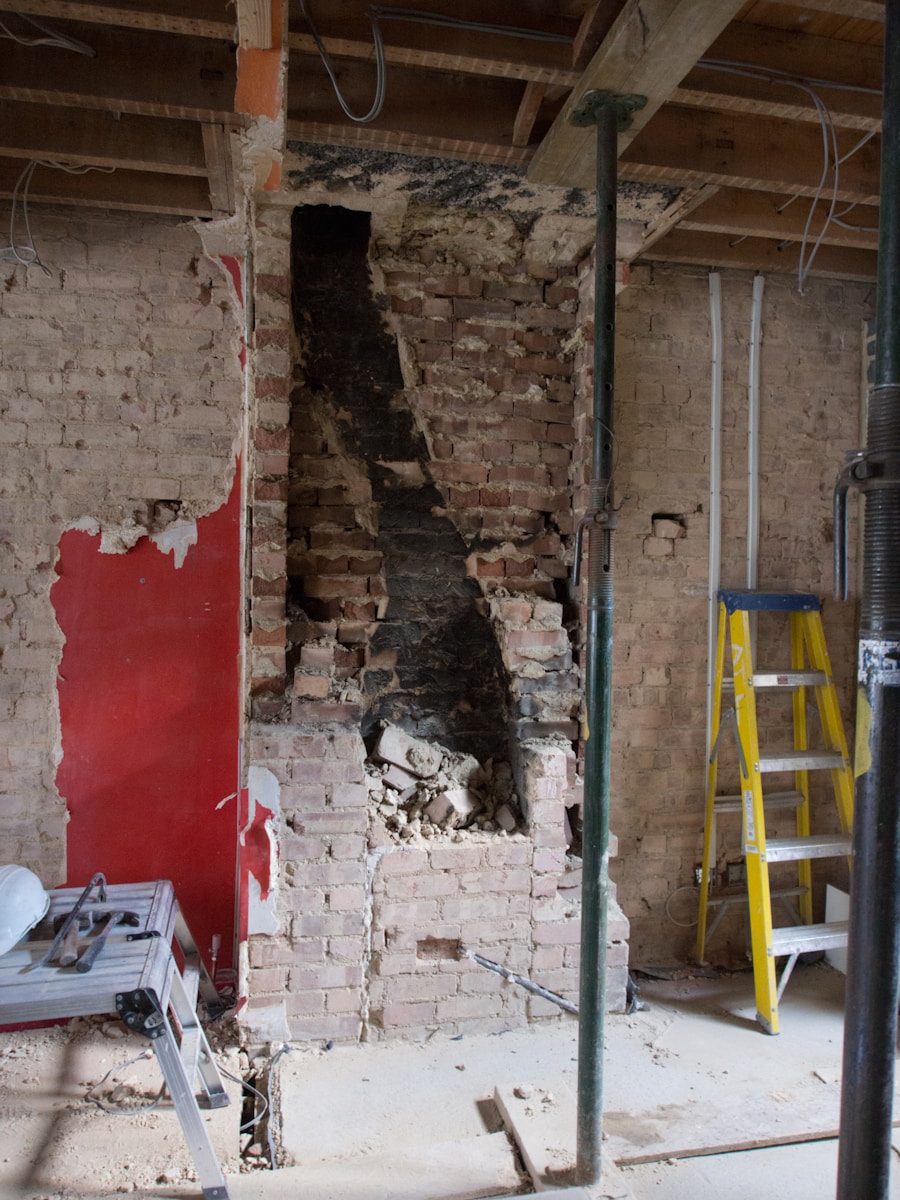
Zoning and building code regulations are fundamental components of the permit process in Brooklyn, particularly for brownstone renovations. Zoning laws dictate how properties can be used and developed within specific districts, influencing factors such as building height, density, and land use. For example, certain areas may have restrictions on converting basements into living spaces or may impose limits on the number of dwelling units allowed in a single building.
Understanding these regulations is essential for homeowners to ensure that their renovation plans align with local zoning requirements. Building codes, on the other hand, establish safety standards for construction practices and materials. These codes cover various aspects of building design and construction, including structural integrity, fire safety, plumbing, and electrical systems.
When renovating a basement, homeowners must ensure that their plans comply with these codes to avoid potential hazards and ensure the safety of future occupants. Engaging with professionals who are well-versed in both zoning and building codes can help navigate these complex regulations effectively, ensuring that all aspects of the renovation meet legal requirements.
Working with a Licensed Contractor for Permit Compliance
Engaging a licensed contractor is one of the most effective ways to ensure compliance with permit requirements during a brownstone basement renovation. A reputable contractor will have extensive experience navigating the permit process and will be familiar with local regulations and building codes. They can assist homeowners in determining which permits are necessary for their specific projects and help prepare the required documentation for submission to the DOB.
Moreover, licensed contractors often have established relationships with city officials and inspectors, which can facilitate smoother communication throughout the permit process. This familiarity can be invaluable when addressing any concerns or questions that may arise during inspections. Additionally, a qualified contractor will understand the importance of adhering to timelines and budgets while ensuring that all work complies with safety standards and legal requirements.
By collaborating with a licensed professional, homeowners can mitigate risks associated with non-compliance and enhance the likelihood of a successful renovation.
The Importance of Proper Documentation for Permit Approval
Proper documentation is a cornerstone of obtaining permit approval for any renovation project in Brooklyn. The DOB requires a comprehensive set of documents that detail every aspect of the proposed work.
Each document must be meticulously prepared to demonstrate compliance with building codes and zoning regulations. Inadequate documentation can lead to significant delays in the approval process or even result in outright denial of the permit application. For instance, if architectural plans lack clarity or fail to address specific code requirements, reviewers may request revisions or additional information before proceeding with approval.
To avoid such setbacks, homeowners should invest time in gathering all necessary documentation upfront and consider hiring professionals who specialize in preparing permit applications. This proactive approach not only expedites the approval process but also ensures that all aspects of the renovation are thoroughly vetted before construction begins.
Addressing Potential Environmental and Safety Concerns
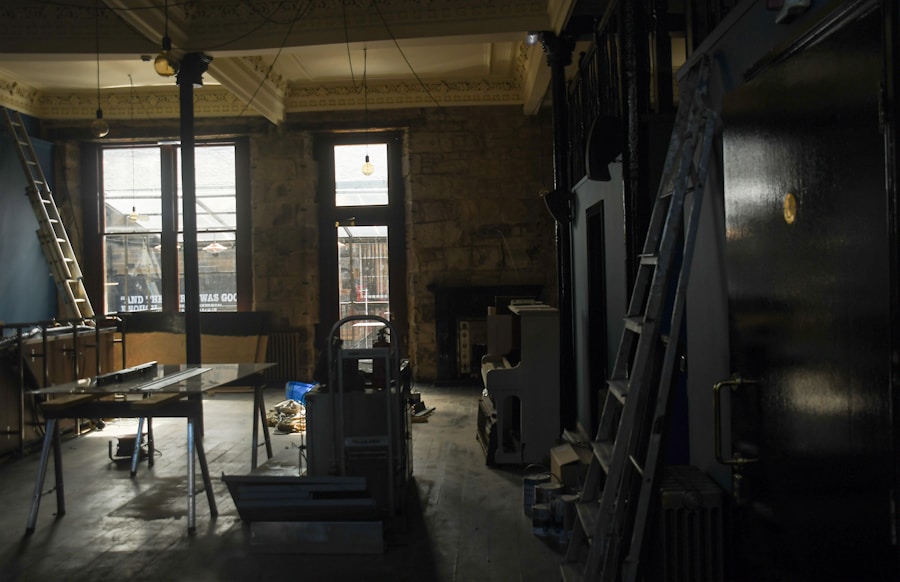
When undertaking a brownstone basement renovation, addressing potential environmental and safety concerns is paramount. Renovations can disturb existing structures and materials that may contain hazardous substances such as lead paint or asbestos. Before commencing work, it is essential to conduct thorough inspections to identify any environmental hazards that may pose risks to occupants or workers during construction.
In addition to identifying hazardous materials, homeowners must also consider how their renovations may impact local ecosystems or contribute to pollution. For example, improper disposal of construction debris can lead to environmental contamination, while inadequate ventilation in newly renovated spaces can result in poor indoor air quality. To mitigate these risks, it is advisable to consult with environmental specialists who can provide guidance on safe practices for handling hazardous materials and ensuring compliance with environmental regulations.
Dealing with Historical Preservation and Landmark Regulations
Brownstones often fall under historical preservation guidelines due to their architectural significance and cultural heritage. In Brooklyn, many neighborhoods are designated as historic districts, which impose strict regulations on renovations to maintain the character and integrity of these areas. Homeowners planning basement renovations must be aware of these regulations and seek appropriate approvals from local preservation boards before proceeding with any work.
The process of obtaining approval for renovations in historic districts can be more complex than standard permit applications. Homeowners may need to demonstrate how their proposed changes will preserve the historical features of their properties while still achieving their renovation goals. This often involves submitting detailed plans that highlight how materials and design elements will align with historical standards.
Engaging with preservation specialists or architects experienced in working within historic districts can greatly enhance a homeowner’s chances of successfully navigating these regulations.
Seeking Professional Guidance for a Smooth Permit Process
Given the complexities involved in obtaining permits for brownstone basement renovations in Brooklyn, seeking professional guidance is highly recommended. Professionals such as architects, contractors, and permit expediters possess valuable knowledge about local regulations and can provide insights into best practices for navigating the permit process efficiently. Their expertise can help homeowners avoid common pitfalls and ensure that all necessary documentation is prepared accurately.
Additionally, professionals can assist in managing timelines and coordinating inspections throughout the renovation process. This support is particularly beneficial when dealing with multiple agencies or navigating complex zoning laws and building codes. By leveraging professional guidance, homeowners can focus on their renovation goals while minimizing stress associated with compliance issues and potential delays in obtaining permits.
Ultimately, investing in professional assistance not only streamlines the permit process but also enhances the overall success of the renovation project.
If you are considering a brownstone basement renovation in Brooklyn, it is important to be aware of the permit pitfalls that can arise during the process. One helpful resource to consult is ESG Builders Ltd, a company that specializes in home improvement projects in the Brooklyn area. They offer a variety of services, including basement renovations, and can provide valuable insights on navigating the permit process. For more information on their services and privacy policy, visit ESG Builders Ltd.
FAQs
What are the common permit pitfalls to avoid in Brooklyn brownstone basement renovations?
Some common permit pitfalls to avoid in Brooklyn brownstone basement renovations include failing to obtain the necessary permits, not adhering to building codes and regulations, and not working with a licensed contractor.
Why is it important to obtain the necessary permits for a brownstone basement renovation in Brooklyn?
Obtaining the necessary permits for a brownstone basement renovation in Brooklyn is important because it ensures that the renovation meets building codes and regulations, maintains the safety and structural integrity of the building, and avoids potential legal and financial consequences.
What are the potential consequences of not obtaining the necessary permits for a brownstone basement renovation in Brooklyn?
The potential consequences of not obtaining the necessary permits for a brownstone basement renovation in Brooklyn can include fines, legal issues, difficulty selling the property in the future, and safety hazards due to non-compliance with building codes.
How can I avoid permit pitfalls in a brownstone basement renovation in Brooklyn?
To avoid permit pitfalls in a brownstone basement renovation in Brooklyn, it is important to work with a licensed contractor who is familiar with local building codes and regulations, obtain the necessary permits before starting the renovation, and ensure that the renovation meets all safety and structural requirements.
What are some common building codes and regulations to be aware of in Brooklyn brownstone basement renovations?
Common building codes and regulations to be aware of in Brooklyn brownstone basement renovations include requirements for egress windows, ceiling height, ventilation, and electrical and plumbing systems. It is important to consult with the local building department to ensure compliance with all relevant codes and regulations.