
In the vibrant borough of Brooklyn, where historic brownstones and modern condos coexist, the kitchen has evolved into more than just a place for meal preparation. It serves as a central hub for family gatherings, social events, and culinary creativity. Renovating a kitchen not only enhances the aesthetic appeal of a home but also significantly increases its market value.
In a competitive real estate market like Brooklyn’s, a well-designed kitchen can be a decisive factor for potential buyers. Homeowners who invest in kitchen renovations often see a return on investment that far exceeds the initial costs, making it a financially sound decision. Moreover, kitchen renovations can address practical issues that arise from outdated designs or inefficient layouts.
Many older Brooklyn homes feature kitchens that were designed decades ago, often lacking the functionality and modern conveniences that today’s homeowners desire. By updating appliances, improving layouts, and enhancing storage solutions, homeowners can create a space that meets their current needs while also reflecting their personal style. This transformation not only improves daily living but also fosters a sense of pride in one’s home, making it a more enjoyable place to live.
Key Takeaways
- Kitchen renovations can significantly increase the value and appeal of Brooklyn homes.
- The right design and layout can enhance the functionality and aesthetic of your kitchen.
- High-quality materials are essential for durability and longevity in your kitchen renovation.
- Maximizing space and storage is crucial for a practical and organized kitchen.
- Energy-efficient appliances and fixtures can save money and reduce environmental impact in your kitchen.
Choosing the Right Design and Layout for Your Kitchen
The Kitchen Work Triangle
The layout should facilitate an efficient workflow, often referred to as the “kitchen work triangle,” which connects the stove, sink, and refrigerator in a triangular formation. This design principle minimizes unnecessary movement and maximizes efficiency, allowing for smoother meal preparation and cooking experiences.
Open-concept designs that integrate the kitchen with adjacent living spaces are particularly popular, as they create an inviting atmosphere for entertaining while maintaining accessibility.
Reflecting Personal Style
When considering design elements, homeowners should think about their personal style and how it reflects their lifestyle. For instance, a modern minimalist approach may appeal to those who prefer clean lines and uncluttered spaces, while a rustic farmhouse style might resonate with individuals who appreciate warmth and charm. Incorporating elements such as custom cabinetry, unique backsplashes, and statement lighting can help to create a cohesive look that enhances the overall ambiance of the home. Additionally, it’s important to consider how the kitchen design will complement the rest of the home’s interior, ensuring a harmonious flow throughout the living space.
Selecting High-Quality Materials for Your Kitchen Renovation

The choice of materials in a kitchen renovation can significantly impact both the durability and aesthetic appeal of the space. High-quality materials not only enhance the visual appeal but also ensure longevity, which is particularly important in a high-traffic area like the kitchen. For countertops, options such as granite, quartz, or marble offer both beauty and resilience against heat and scratches.
Each material has its unique characteristics; for example, quartz is non-porous and resistant to stains, making it an excellent choice for busy families. Cabinetry is another critical component where material selection plays a vital role. Solid wood cabinets are often favored for their durability and timeless appeal, while engineered materials like plywood or MDF can provide cost-effective alternatives without sacrificing quality.
When selecting finishes, homeowners should consider factors such as maintenance requirements and how well they will hold up over time. For flooring, materials like porcelain tile or luxury vinyl plank are popular choices due to their water resistance and ease of cleaning. Investing in high-quality materials not only enhances the kitchen’s functionality but also contributes to its overall value.
Maximizing Space and Storage in Your Kitchen
In Brooklyn homes where space is often at a premium, maximizing storage is essential for creating an efficient kitchen environment. Innovative storage solutions can transform even the smallest kitchens into functional spaces that accommodate all necessary items without feeling cluttered. One effective strategy is to utilize vertical space by installing tall cabinets that reach up to the ceiling.
This not only provides additional storage but also draws the eye upward, creating an illusion of height in the room. Incorporating pull-out shelves, lazy Susans, and drawer dividers can further enhance organization within cabinets. These features allow homeowners to access items easily while keeping everything neatly arranged.
Additionally, open shelving has gained popularity as a way to display decorative items or frequently used dishes while maintaining accessibility. By thoughtfully considering storage options during the renovation process, homeowners can create a kitchen that is both functional and visually appealing.
Incorporating Energy-Efficient Appliances and Fixtures
As sustainability becomes increasingly important to homeowners, incorporating energy-efficient appliances and fixtures into kitchen renovations has gained traction. Energy-efficient appliances not only reduce utility bills but also contribute to a smaller carbon footprint. When selecting appliances, look for those with the ENERGY STAR label, which indicates they meet strict energy efficiency guidelines set by the U.S.
Environmental Protection Agency. For instance, modern refrigerators with advanced cooling technology consume significantly less energy than older models while offering enhanced features such as smart connectivity. In addition to appliances, energy-efficient fixtures such as faucets and lighting can further enhance sustainability efforts in the kitchen.
Low-flow faucets reduce water consumption without sacrificing performance, while LED lighting provides bright illumination with minimal energy use. By prioritizing energy efficiency during renovations, homeowners can create a kitchen that aligns with eco-friendly values while enjoying long-term savings on energy costs.
Creating a Functional and Stylish Kitchen Island
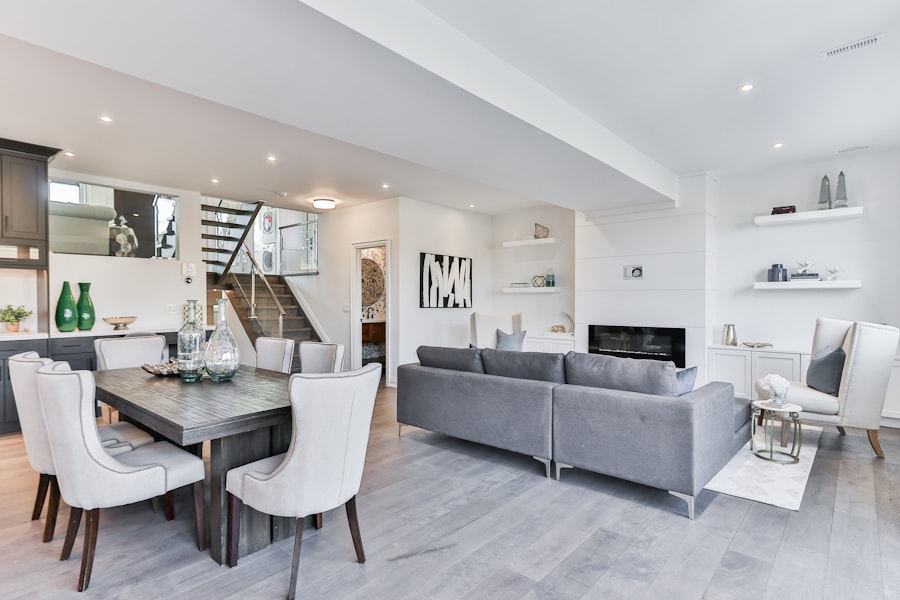
Designing the Island
When designing an island, it’s essential to consider its functionality in relation to the overall layout of the kitchen. A well-planned island should provide ample workspace while allowing for easy movement around it.
Enhancing Functionality and Style
Incorporating features such as built-in storage or additional seating can enhance its utility without compromising style. In terms of aesthetics, the island can serve as an opportunity to introduce contrasting materials or colors that add visual interest to the space. For example, pairing a butcher block countertop with sleek cabinetry creates an appealing juxtaposition that draws attention.
Creating an Inviting Atmosphere
Additionally, incorporating pendant lighting above the island can create an inviting atmosphere while providing necessary task lighting for food preparation or dining.
Installing Custom Cabinetry and Countertops for a Personalized Touch
Custom cabinetry and countertops offer homeowners the opportunity to infuse their personality into their kitchen renovation while ensuring that every element fits perfectly within the space. Custom cabinetry allows for tailored solutions that meet specific storage needs and design preferences. Homeowners can choose from various styles, finishes, and hardware options to create a cohesive look that reflects their taste.
For instance, shaker-style cabinets with a soft matte finish can evoke a contemporary feel, while ornate details may suit more traditional aesthetics. Countertops are another area where customization can make a significant impact on both functionality and style. Homeowners can select unique materials or finishes that align with their vision for the space.
For example, opting for a waterfall edge on an island countertop creates a seamless transition from surface to floor while adding an element of sophistication. Customization not only enhances visual appeal but also ensures that every aspect of the kitchen serves its intended purpose effectively.
Enhancing the Lighting and Ventilation in Your Kitchen
Proper lighting and ventilation are critical components of any successful kitchen renovation. A well-lit kitchen enhances functionality by providing adequate illumination for cooking tasks while also creating an inviting atmosphere for socializing. Layered lighting is an effective approach that combines ambient lighting with task lighting and accent lighting to achieve balance throughout the space.
Recessed lighting can provide general illumination, while pendant lights over an island or under-cabinet lighting can highlight specific areas where tasks are performed. Ventilation is equally important in maintaining air quality within the kitchen environment. Installing a high-quality range hood helps eliminate smoke, odors, and excess heat generated during cooking activities.
Modern range hoods come in various styles—from sleek stainless steel designs to more decorative options—that can complement the overall aesthetic of the kitchen while ensuring proper airflow. By prioritizing both lighting and ventilation during renovations, homeowners can create a comfortable and functional cooking environment.
Adding a Splash of Color with a Fresh Coat of Paint or Backsplash
Color plays a vital role in setting the mood of any space, and kitchens are no exception. A fresh coat of paint can dramatically transform the look of a kitchen while allowing homeowners to express their personal style. Neutral tones such as whites or grays provide a timeless backdrop that allows other design elements to shine, while bold colors like navy blue or emerald green can create striking focal points when used on cabinetry or accent walls.
In addition to paint, incorporating colorful backsplashes offers another opportunity to introduce vibrancy into the kitchen design. Whether opting for classic subway tiles or intricate mosaic patterns, backsplashes serve both functional and aesthetic purposes by protecting walls from splashes while adding visual interest. Homeowners can experiment with different colors and textures to find combinations that resonate with their vision for the space.
Incorporating Smart Technology for a Modern Kitchen Experience
As technology continues to advance rapidly, integrating smart features into kitchen renovations has become increasingly popular among homeowners seeking convenience and efficiency. Smart appliances—such as refrigerators that allow users to view contents via smartphone apps or ovens that can be preheated remotely—offer unparalleled convenience for busy lifestyles. These innovations not only streamline cooking processes but also enhance overall functionality within the kitchen.
In addition to appliances, smart home systems can control lighting, temperature settings, and even security features from one centralized platform. Voice-activated assistants can help manage grocery lists or provide recipe suggestions while cooking—making meal preparation more enjoyable and efficient. By incorporating smart technology into their kitchens, homeowners can create spaces that are not only stylish but also equipped with modern conveniences that cater to contemporary living.
Hiring the Right Professionals for a Seamless Kitchen Renovation Process
Embarking on a kitchen renovation project requires careful planning and execution; therefore, hiring qualified professionals is essential for ensuring success throughout the process. Homeowners should seek out experienced contractors who specialize in kitchen renovations and have a proven track record of delivering high-quality results within budgetary constraints. Checking references and reviewing portfolios can provide valuable insights into potential contractors’ capabilities.
Additionally, collaborating with designers who understand current trends and best practices can help homeowners navigate decisions related to layout, materials, and aesthetics effectively. A skilled designer will work closely with clients to understand their vision while offering expert guidance on achieving functional yet stylish outcomes. By assembling a team of knowledgeable professionals dedicated to realizing their renovation goals, homeowners can enjoy a seamless experience from concept through completion—ultimately resulting in a beautifully transformed kitchen that meets their needs for years to come.
If you’re interested in learning more about how ESG Builders Ltd. can transform houses into personal sanctuaries, check out their article here. This article provides insight into the process of creating a home that truly reflects your personal style and needs, just like their complete kitchen renovations that have transformed Brooklyn houses.
FAQs
What are the benefits of renovating a home kitchen?
Renovating a home kitchen can increase the functionality and aesthetic appeal of the space, improve the overall value of the home, and create a more enjoyable cooking and dining experience for the homeowners.
What are some popular trends in home kitchen renovations?
Some popular trends in home kitchen renovations include open shelving, quartz countertops, smart appliances, and sustainable materials. Additionally, many homeowners are opting for larger kitchen islands and incorporating more natural light into the space.
How long does a complete home kitchen renovation typically take?
The timeline for a complete home kitchen renovation can vary depending on the scope of the project, but it generally takes anywhere from 6 to 12 weeks to complete. This timeline includes the planning, demolition, construction, and installation phases.
What is the average cost of a complete home kitchen renovation?
The cost of a complete home kitchen renovation can vary widely depending on factors such as the size of the kitchen, the quality of materials, and the extent of the renovations. On average, homeowners can expect to spend between $25,000 and $50,000 for a complete kitchen renovation.
What are some important considerations to keep in mind during a home kitchen renovation?
During a home kitchen renovation, it’s important to consider factors such as the layout and flow of the space, the functionality of the kitchen, the quality of materials and appliances, and the overall design aesthetic. Additionally, homeowners should also consider their budget and timeline for the project.