
Establishing a realistic budget is the cornerstone of any successful construction or renovation project.
To create an effective budget, one must first assess the total available funds, taking into account not only the immediate costs of construction but also potential unforeseen expenses.
A common practice is to allocate an additional 10-20% of the total budget for contingencies, which can cover unexpected issues such as structural repairs or changes in material prices. This buffer can be crucial in preventing financial strain as the project progresses. Moreover, it is essential to break down the budget into specific categories, such as labor, materials, permits, and furnishings.
This granular approach allows for better tracking of expenses and helps identify areas where costs can be trimmed without compromising quality. For instance, if the budget for materials is exceeded, one might consider reallocating funds from the furnishings category or opting for more cost-effective alternatives. By maintaining a clear overview of expenditures and regularly updating the budget as the project unfolds, homeowners can ensure they remain on track financially while still achieving their desired outcomes.
Key Takeaways
- Setting a realistic budget is crucial for a successful construction project
- Choosing cost-effective materials can help save money without compromising quality
- Maximizing natural lighting can reduce the need for artificial lighting and lower energy costs
- Utilizing existing infrastructure can save time and money during construction
- Consider the pros and cons of DIY vs hiring professionals for the project
- Prioritize essential features to avoid overspending on non-essential elements
- Research local building codes and permits to avoid costly delays and fines
- Consider long-term maintenance costs when making construction decisions
Choosing Cost-Effective Materials
Comparing Materials and Their Price Points
For example, while natural stone countertops may be desirable for their beauty and durability, engineered stone or laminate surfaces can provide a similar look at a fraction of the cost. By researching various materials and their price points, homeowners can make informed decisions that align with their financial constraints without sacrificing style.
Considering Long-Term Value
In addition to considering initial costs, it is also important to evaluate the long-term value of materials. Some inexpensive options may require frequent replacement or maintenance, ultimately leading to higher costs over time. For instance, vinyl siding may be cheaper upfront than wood siding, but it can fade and require replacement sooner than its natural counterpart.
Striking a Balance Between Affordability and Durability
Conversely, investing in high-quality materials that offer durability and low maintenance can lead to significant savings in the long run.
Maximizing Natural Lighting
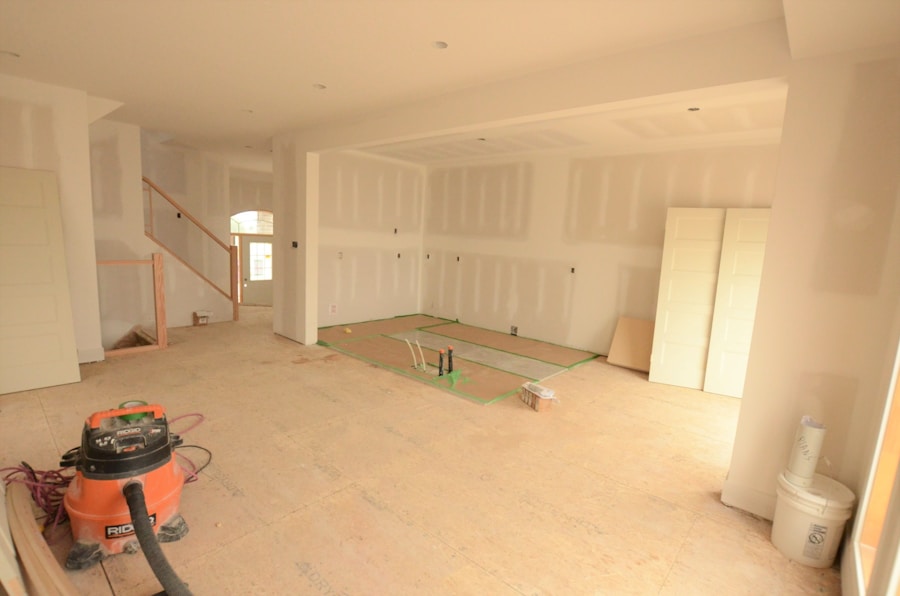
Natural lighting plays a pivotal role in enhancing the ambiance and functionality of any space. It not only contributes to the aesthetic appeal but also has psychological benefits, such as improving mood and productivity. To maximize natural light in a construction or renovation project, strategic planning is essential.
This can involve positioning windows and openings to capture sunlight at different times of the day or utilizing skylights to bring light into darker areas of a home. For example, placing larger windows on south-facing walls can harness sunlight during winter months while minimizing heat gain in summer. In addition to window placement, the choice of interior colors and finishes can also impact how light is perceived within a space.
Lighter colors tend to reflect light more effectively than darker shades, making rooms feel brighter and more open. Incorporating mirrors or reflective surfaces can further amplify natural light by bouncing it around the room. Furthermore, using open floor plans can facilitate better light distribution throughout a home, reducing the need for artificial lighting during daylight hours.
By thoughtfully considering these elements, homeowners can create inviting spaces that are both energy-efficient and visually appealing.
Utilizing Existing Infrastructure
Leveraging existing infrastructure is an often-overlooked strategy that can lead to significant cost savings and efficiency in construction projects. Rather than starting from scratch, homeowners should assess what elements of their current structure can be retained or repurposed. For instance, if a home has a solid foundation or well-maintained framing, these components can serve as a reliable base for new construction or renovations.
This not only reduces material costs but also minimizes waste and environmental impact. Additionally, existing plumbing and electrical systems can often be adapted rather than replaced entirely. For example, if a kitchen remodel is planned, it may be more economical to keep plumbing fixtures in their current locations rather than relocating them, which would require extensive work and additional costs.
Similarly, updating existing electrical wiring to accommodate new appliances can be more efficient than installing an entirely new system. By creatively utilizing what is already in place, homeowners can streamline their projects while maintaining structural integrity and reducing overall expenses.
DIY vs Hiring Professionals
The decision between undertaking DIY projects and hiring professionals is a critical consideration that can significantly affect both the budget and quality of the final outcome. On one hand, DIY projects can offer substantial savings on labor costs and provide a sense of personal satisfaction upon completion. Many homeowners find joy in hands-on work such as painting, landscaping, or even minor renovations like tiling or cabinetry installation.
However, it is essential to realistically assess one’s skills and experience before diving into complex tasks that may require specialized knowledge. On the other hand, hiring professionals brings expertise and efficiency to a project that DIY efforts may lack. Skilled contractors have the training and experience necessary to navigate challenges that arise during construction or renovation processes.
They are also familiar with local building codes and regulations, which can save homeowners from potential legal issues down the line. While professional services come at a cost, they often result in higher-quality workmanship and faster completion times. Ultimately, striking a balance between DIY efforts and professional assistance can lead to an optimal outcome that aligns with both budgetary constraints and desired quality.
Prioritizing Essential Features
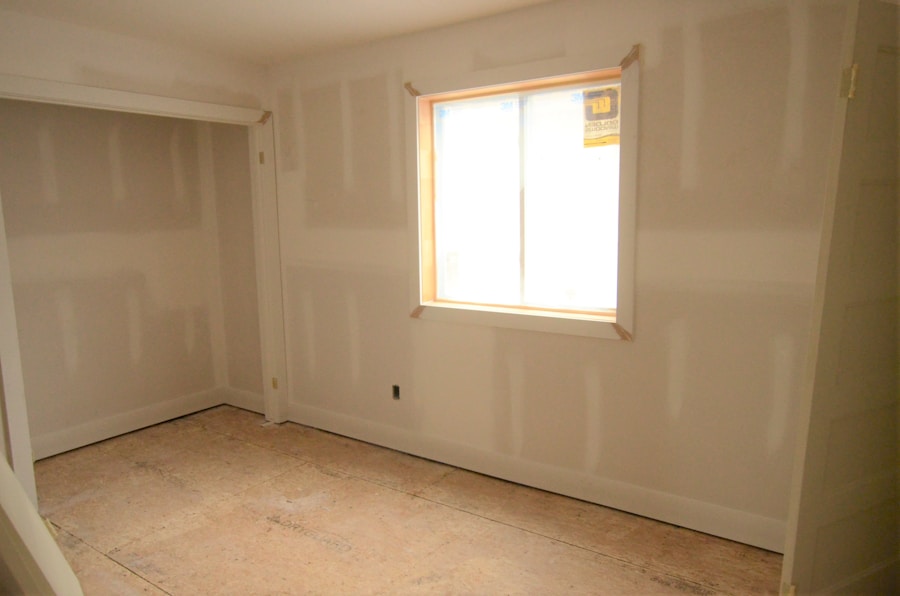
When embarking on a construction or renovation project, it is crucial to prioritize essential features that align with both lifestyle needs and budget constraints. This involves identifying which elements are non-negotiable for functionality and comfort versus those that are merely desirable but not critical. For instance, in a kitchen remodel, investing in high-quality appliances may take precedence over decorative elements like custom cabinetry or elaborate backsplashes if cooking efficiency is a primary concern.
Creating a list of must-have features versus nice-to-have additions can help streamline decision-making throughout the project. This prioritization process allows homeowners to allocate resources effectively while ensuring that essential aspects are not compromised due to budget limitations. Additionally, focusing on core features can lead to a more cohesive design that meets practical needs without becoming overwhelmed by unnecessary embellishments.
By maintaining clarity on priorities throughout the project lifecycle, homeowners can achieve satisfying results that enhance their living spaces.
Researching Local Building Codes and Permits
Navigating local building codes and permits is an essential step in any construction or renovation project that cannot be overlooked. Each municipality has specific regulations governing construction practices to ensure safety and compliance with zoning laws. Failing to adhere to these codes can result in costly fines or even necessitate costly modifications after work has begun.
Therefore, it is imperative for homeowners to conduct thorough research on local requirements before commencing any work. Obtaining necessary permits often involves submitting detailed plans for review by local authorities, which may include architectural drawings and engineering assessments. Engaging with local building departments early in the planning process can provide valuable insights into what is required for compliance and help avoid delays later on.
Additionally, understanding local codes may influence design choices; for example, certain areas may have restrictions on building heights or setbacks from property lines. By proactively addressing these regulations, homeowners can ensure their projects proceed smoothly while adhering to legal standards.
Considering Long-Term Maintenance Costs
When planning a construction or renovation project, it is vital to consider not only initial costs but also long-term maintenance expenses associated with various materials and systems used in the build. Some choices may appear economical upfront but could lead to higher costs over time due to frequent repairs or replacements. For instance, opting for low-quality roofing materials might save money initially but could result in significant expenses down the line if leaks or damage occur.
In contrast, investing in durable materials that require minimal upkeep can yield substantial savings over time. For example, fiber-cement siding may have a higher initial cost compared to vinyl siding but offers greater longevity and resistance to weather-related damage. Similarly, energy-efficient windows may require a larger investment upfront but can lead to lower utility bills over their lifespan due to improved insulation properties.
By carefully evaluating long-term maintenance costs alongside initial expenditures, homeowners can make informed decisions that enhance both their living environment and financial well-being over time.
If you are considering renovating your basement in Brooklyn on a budget, you may want to check out ESG Builders Ltd for expert basement finishing services. Their team of professionals can help you transform your basement into a functional and stylish space without breaking the bank. Additionally, it is important to prioritize safety during the renovation process, so be sure to follow best practices for handling hardware. For more information on how to tackle your basement renovation project affordably and safely, visit ESG Builders Ltd.
FAQs
What are some budget tips for finishing a basement in Brooklyn?
Some budget tips for finishing a basement in Brooklyn include doing thorough research on materials and labor costs, setting a realistic budget and sticking to it, considering DIY options for certain tasks, and prioritizing the most essential renovations.
What are some common cost-saving measures for basement renovations?
Common cost-saving measures for basement renovations include using affordable materials such as laminate flooring and drywall, repurposing existing furniture and decor, opting for energy-efficient lighting and appliances, and considering alternative heating and cooling options.
Are there any specific building codes or regulations to consider when renovating a basement in Brooklyn?
Yes, when renovating a basement in Brooklyn, it is important to consider building codes and regulations related to egress windows, ceiling height, electrical wiring, and plumbing. It is advisable to consult with a professional contractor or local building authority to ensure compliance with these regulations.
What are some potential challenges to consider when renovating a basement on a budget?
Some potential challenges to consider when renovating a basement on a budget include unexpected structural issues, moisture and water damage, limited natural light, and the need for proper insulation and ventilation. It is important to address these challenges effectively to ensure a successful and cost-effective renovation.