
The brownstone, a distinctive type of row house, has its roots in the mid-19th century, primarily in New York City. This architectural style emerged during a period of rapid urbanization and industrial growth, when affluent families sought elegant homes in burgeoning neighborhoods. The name “brownstone” derives from the rich, brown sandstone that was quarried in New Jersey and used extensively in construction.
This material not only provided a unique aesthetic appeal but also symbolized the prosperity of the era. The brownstone became a hallmark of urban living, particularly in areas like Brooklyn and Manhattan, where it was often used to create entire streetscapes of uniformity and charm. As the 19th century progressed, brownstones became synonymous with the American Dream, representing a blend of comfort and sophistication.
They were designed with ornate facades, high ceilings, and spacious interiors, catering to the needs of growing families. The architectural style often featured intricate details such as stoops, bay windows, and decorative cornices, which added to their visual allure. By the late 1800s, brownstones were not just homes; they were status symbols that reflected the social standing of their inhabitants.
However, as the 20th century approached, many brownstones fell into disrepair due to economic shifts and changing demographics, leading to a decline in their popularity.
Key Takeaways
- Brownstones have a rich history dating back to the 19th century, and are a significant part of the architectural landscape in cities like New York and Boston.
- Renovating a brownstone comes with its own set of challenges, including structural issues, historical preservation regulations, and budget constraints.
- Designing the perfect brownstone renovation involves balancing modern amenities with the historic charm of the building, while also maximizing space and natural light.
- The transformation process of a brownstone renovation can be dramatic, with before and after photos showcasing the potential of these historic buildings.
- Maintaining the charm of a brownstone during renovation involves preserving original features, such as moldings and fireplaces, while also incorporating sustainable and energy-efficient practices.
The Challenges of Renovating a Brownstone
Renovating a brownstone presents a unique set of challenges that can test even the most seasoned homeowners and contractors. One of the primary hurdles is navigating the historical preservation regulations that govern many brownstone neighborhoods. These regulations are designed to protect the architectural integrity and historical significance of these buildings, which can limit the scope of renovations.
Homeowners may find themselves needing to obtain special permits or adhere to strict guidelines regarding materials and design choices. This can complicate even simple updates, such as replacing windows or altering facades. Another significant challenge lies in the structural integrity of older brownstones.
Many of these buildings were constructed over a century ago and may have suffered from years of neglect or improper maintenance. Issues such as crumbling foundations, outdated electrical systems, and plumbing problems are common in these historic homes. Homeowners must conduct thorough inspections to identify potential issues before embarking on renovations.
This often requires hiring specialized contractors who are experienced in working with older buildings, which can increase costs and extend timelines. Additionally, the process of restoring original features while integrating modern amenities can be a delicate balancing act that requires careful planning and execution.
Designing the Perfect Brownstone Renovation
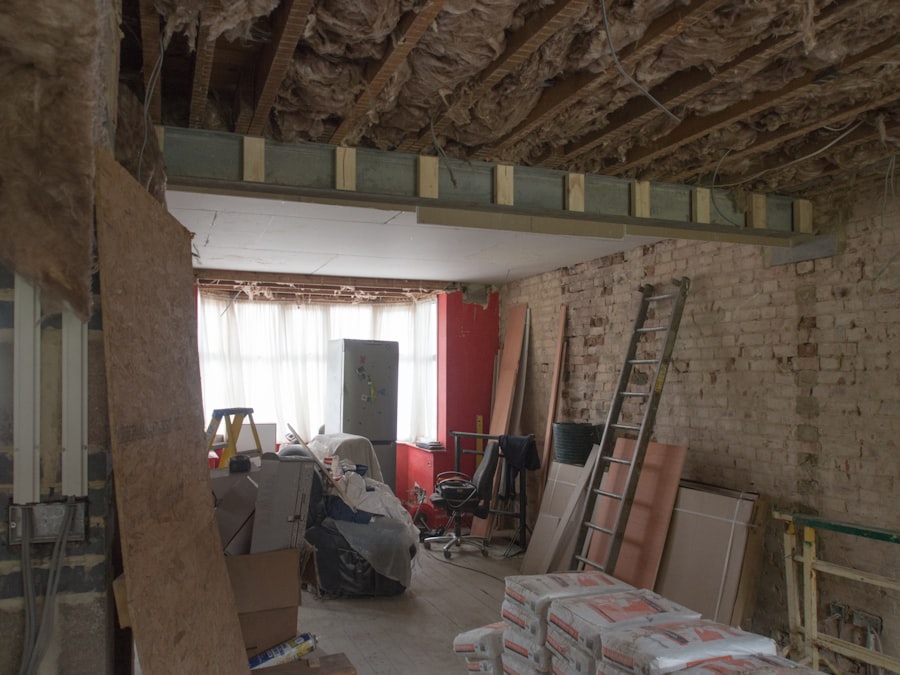
Designing a successful brownstone renovation involves a careful blend of preserving historical elements while incorporating contemporary functionality. Homeowners often begin by assessing the existing layout and determining how best to enhance the flow of space. Open floor plans are popular in modern design but may not align with the traditional segmented layouts of brownstones.
Therefore, creative solutions such as removing non-load-bearing walls or adding pocket doors can help create a more open feel without sacrificing character. Incorporating modern amenities is another critical aspect of brownstone renovations. Homeowners frequently seek to upgrade kitchens and bathrooms to meet contemporary standards while maintaining the building’s historical charm.
This can involve selecting fixtures that echo the period style or using materials that complement the original architecture. For instance, a kitchen might feature custom cabinetry with vintage-inspired hardware alongside state-of-the-art appliances.
The Transformation Process: Before and After
The transformation process of a brownstone renovation is often dramatic, showcasing the potential hidden beneath layers of neglect or outdated design choices. Before renovations begin, many brownstones exhibit signs of wear: faded paint, worn flooring, and outdated fixtures that detract from their inherent beauty. Homeowners may find themselves overwhelmed by the task ahead, but with careful planning and vision, these spaces can be revitalized into stunning homes that reflect both history and modernity.
After renovations are complete, the contrast is often striking. A once-dilapidated entryway can be transformed into an inviting foyer with restored woodwork and new lighting that highlights architectural details. Living spaces may be reimagined with fresh paint, updated flooring, and thoughtfully chosen furnishings that enhance the overall aesthetic.
The kitchen might evolve from a cramped area into a spacious culinary haven with sleek countertops and ample storage. These transformations not only improve functionality but also breathe new life into the home, allowing it to serve as a comfortable sanctuary for its inhabitants while honoring its storied past.
Maintaining the Charm of the Brownstone
One of the most critical aspects of renovating a brownstone is ensuring that its unique charm is preserved throughout the process. This involves making thoughtful decisions about which original features to restore and which elements can be updated without compromising character. For example, homeowners may choose to retain original moldings, staircases, and fireplaces while modernizing other areas like lighting and appliances.
This approach allows for a seamless integration of contemporary living while celebrating the building’s historical significance. Additionally, maintaining the exterior charm of a brownstone is equally important. The facade often serves as a defining feature that contributes to the overall streetscape.
Homeowners should consider restoring original stonework or brick facades rather than opting for modern materials that could detract from the building’s character. Landscaping also plays a role in enhancing curb appeal; simple additions like window boxes filled with flowers or well-maintained stoops can significantly elevate the overall aesthetic while remaining true to the building’s heritage.
The Importance of Sustainable Renovation Practices
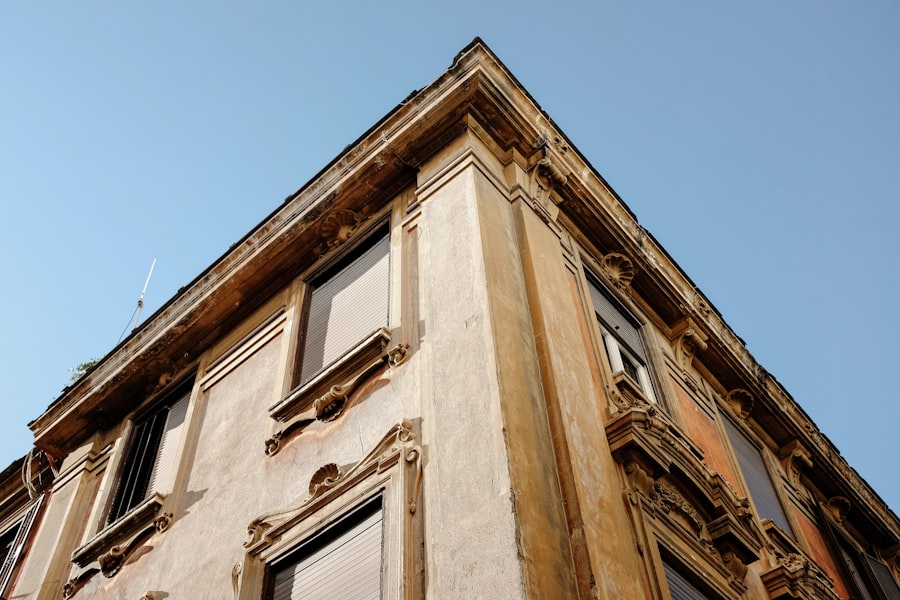
In recent years, sustainable renovation practices have gained prominence in the realm of brownstone renovations. As awareness of environmental issues grows, homeowners are increasingly seeking ways to reduce their carbon footprint during renovations. This can involve using eco-friendly materials such as reclaimed wood or low-VOC paints that minimize harmful emissions.
Additionally, energy-efficient appliances and systems can be integrated into renovations to reduce energy consumption and lower utility bills. Sustainable practices also extend to water conservation measures, such as installing low-flow fixtures or rainwater harvesting systems. By prioritizing sustainability in their renovations, homeowners not only contribute positively to the environment but also enhance the long-term value of their properties.
Many buyers today are drawn to homes that reflect eco-conscious values, making sustainable renovations an attractive investment for those looking to sell in the future.
The Impact of the Renovation on the Community
The renovation of a brownstone can have far-reaching effects on its surrounding community. When homeowners invest in restoring these historic properties, they contribute to neighborhood revitalization efforts that can enhance property values and attract new residents. A beautifully renovated brownstone can serve as a catalyst for further improvements in an area, inspiring others to undertake similar projects and fostering a sense of pride among residents.
Moreover, renovated brownstones often become focal points within their neighborhoods, drawing attention to local businesses and amenities. As these homes are restored to their former glory, they can help create vibrant streetscapes that encourage foot traffic and community engagement. This revitalization can lead to increased economic activity as new shops and restaurants open in response to growing interest in the area.
Ultimately, successful brownstone renovations can play a pivotal role in shaping the character and vitality of entire neighborhoods.
Tips for Planning Your Own Brownstone Renovation
Planning a brownstone renovation requires careful consideration and strategic decision-making to ensure a successful outcome. One essential tip is to conduct thorough research on local regulations regarding historic preservation before beginning any work. Understanding what is permissible will help avoid costly delays or complications down the line.
Engaging with local preservation societies or neighborhood associations can provide valuable insights into best practices for maintaining historical integrity. Another crucial aspect is assembling a team of professionals who specialize in historic renovations. This includes architects, contractors, and designers who have experience working with older buildings and understand their unique challenges.
Collaborating closely with this team will help ensure that your vision aligns with practical considerations while respecting the building’s history. Budgeting is also key; it’s important to account for unexpected expenses that may arise during renovations due to hidden issues within older structures. Setting aside a contingency fund can provide peace of mind as you navigate potential surprises along the way.
Finally, take time to envision how you want your space to function and feel once renovations are complete. Creating mood boards or gathering inspiration from similar projects can help clarify your design goals and guide decision-making throughout the process. By approaching your brownstone renovation with careful planning and thoughtful execution, you can create a beautiful home that honors its past while embracing modern living.
If you’re inspired by the “Before and After: Stunning Brownstone Renovation In Brooklyn Transformations,” you might also be interested in exploring innovative ways to make the most of your living space. A related article, “Maximizing Space: Clever Remodeling Techniques,” offers insightful strategies for optimizing your home’s layout and design.
FAQs
What is a brownstone renovation?
A brownstone renovation refers to the process of updating and improving a brownstone building, which is a type of townhouse commonly found in cities like New York City and Brooklyn. Renovations can include modernizing the interior, restoring the exterior, and making structural improvements.
What are some common features of a brownstone renovation?
Common features of a brownstone renovation may include updating the kitchen and bathrooms, restoring original architectural details, adding modern amenities, improving energy efficiency, and creating open floor plans.
What are some challenges of renovating a brownstone?
Challenges of renovating a brownstone may include dealing with aging infrastructure, complying with historic preservation regulations, working within limited space, and managing the logistics of a renovation in a densely populated urban area.
How long does a brownstone renovation typically take?
The duration of a brownstone renovation can vary depending on the scope of the project, but it often takes several months to a year or more to complete. Factors such as the size of the building, the extent of the renovations, and any unforeseen complications can impact the timeline.
What are the benefits of renovating a brownstone?
Benefits of renovating a brownstone may include increasing the property’s value, creating a more comfortable and modern living space, preserving historic architecture, and contributing to the revitalization of a neighborhood.