
Selecting the right contractor is one of the most critical decisions a homeowner can make when embarking on a renovation project. The contractor serves as the linchpin for the entire operation, coordinating various trades, managing timelines, and ensuring that the work meets both aesthetic and structural standards. Unfortunately, many homeowners fall into the trap of choosing a contractor based on superficial criteria, such as the lowest bid or a flashy website.
This approach can lead to disastrous outcomes, including subpar workmanship, missed deadlines, and even legal disputes. A thorough vetting process is essential to avoid these pitfalls. Homeowners should seek recommendations from friends or family who have recently completed similar projects and check online reviews on platforms like Angie’s List or Yelp.
A reputable contractor should be willing to provide references from past clients and examples of completed work. Engaging in detailed discussions about project expectations, timelines, and payment structures can also help ensure that both parties are aligned from the outset.
Key Takeaways
- Choosing the wrong contractor can lead to poor workmanship and delays in the renovation process.
- Underestimating the budget can result in unfinished projects and unexpected costs.
- Neglecting to obtain proper permits can lead to legal issues and fines.
- Failing to plan for unexpected issues can cause delays and frustration during the renovation.
- Overlooking the importance of design and layout can result in a finished project that doesn’t meet your needs or expectations.
- Ignoring the importance of quality materials can lead to a shorter lifespan for the renovation and potential repairs in the future.
- Not communicating clearly with the contractor can result in misunderstandings and mistakes in the renovation process.
- Rushing the renovation process can lead to subpar workmanship and a finished project that doesn’t meet your standards.
Underestimating the Budget
Common Budgeting Mistakes
This oversight can result in a budget that quickly spirals out of control, leaving homeowners scrambling to find additional funds or cutting corners on essential aspects of the project.
Creating a Realistic Budget
To create a more accurate budget, it is advisable to include a contingency fund—typically around 10-20% of the total estimated costs—to cover unforeseen expenses that may arise during the renovation. Additionally, homeowners should conduct thorough research on material prices and labor rates in their area to gain a realistic understanding of what their project will entail financially.
Minimizing Financial Surprises
Engaging in detailed discussions with contractors about potential cost overruns and establishing clear payment milestones can also help mitigate financial surprises down the line.
Neglecting to Obtain Proper Permits

One of the most commonly overlooked aspects of home renovation is the necessity of obtaining proper permits. Many homeowners mistakenly believe that minor renovations do not require official approval, but this assumption can lead to significant legal and financial repercussions. Failing to secure the necessary permits can result in fines, forced removal of unapproved work, and complications when selling the property in the future.
The permitting process varies by location and type of renovation, so it is essential for homeowners to familiarize themselves with local regulations before commencing any work. Consulting with the local building department can provide clarity on what permits are required for specific projects. A knowledgeable contractor should also be well-versed in these requirements and can assist in navigating the permitting process.
By prioritizing compliance with local laws, homeowners can avoid unnecessary headaches and ensure that their renovations are legally sound.
Failing to Plan for Unexpected Issues
Renovation projects are inherently unpredictable, and failing to plan for unexpected issues can derail even the best-laid plans. Homeowners often underestimate the likelihood of encountering problems such as hidden water damage, outdated electrical systems, or structural deficiencies that require immediate attention. When these issues arise without a contingency plan in place, they can lead to delays and increased costs that disrupt the entire project timeline.
To mitigate these risks, it is crucial to conduct a thorough assessment of the property before beginning any renovations. This may involve hiring professionals to inspect plumbing, electrical systems, and structural integrity. Additionally, homeowners should maintain open lines of communication with their contractors throughout the renovation process to address any emerging issues promptly.
By anticipating potential challenges and being prepared to adapt plans as necessary, homeowners can navigate unexpected obstacles more effectively.
Overlooking the Importance of Design and Layout
The design and layout of a renovation project play a pivotal role in its overall success. Many homeowners focus primarily on aesthetics—such as paint colors or fixture choices—while neglecting the functional aspects of design. A poorly planned layout can lead to inefficient use of space, awkward traffic patterns, and ultimately dissatisfaction with the finished product.
These experts can help homeowners visualize how different elements will work together and suggest innovative solutions that enhance both form and function. Additionally, considering how the renovated space will be used over time is essential; for instance, an open-concept kitchen may be ideal for entertaining but could pose challenges for families with young children.
By prioritizing thoughtful design and layout considerations, homeowners can create spaces that are not only beautiful but also practical.
Ignoring the Importance of Quality Materials
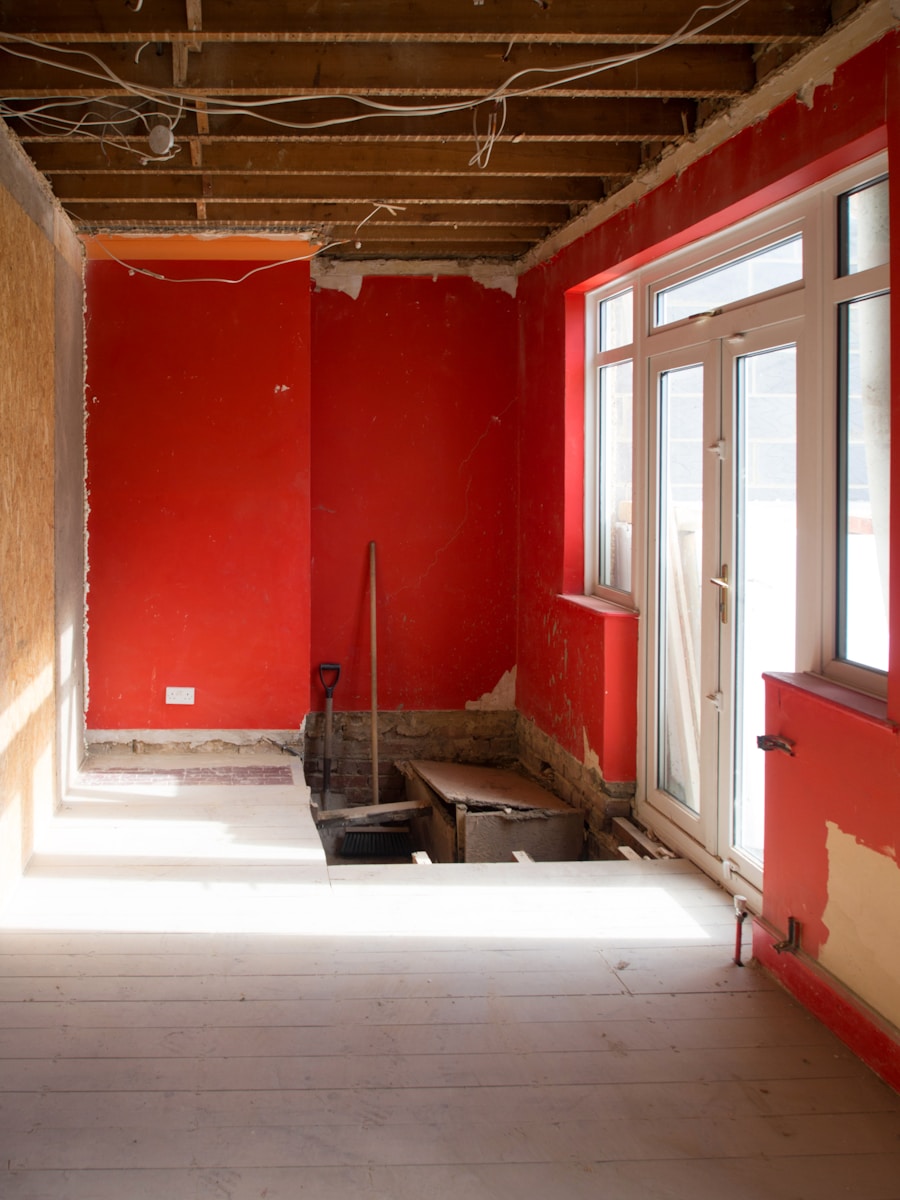
The Consequences of Choosing Low-Quality Materials
Many homeowners make the mistake of opting for cheaper materials to save money upfront, only to find themselves facing costly repairs or replacements down the line. For example, using low-quality flooring may lead to premature wear and tear, while subpar plumbing fixtures could result in leaks or malfunctions that necessitate further investment.
The Benefits of Investing in High-Quality Materials
Investing in high-quality materials may require a larger initial outlay, but it often pays off in terms of longevity and performance. Homeowners should consider factors such as warranty coverage, maintenance requirements, and energy efficiency when selecting materials. Additionally, consulting with contractors or design professionals about material options can provide insights into which products offer the best value for money over time.
Long-Term Benefits of Prioritizing Quality
By prioritizing quality over cost-cutting measures, homeowners can ensure that their renovations stand the test of time. This approach may require a larger upfront investment, but it can lead to significant long-term savings and a more enjoyable living space.
Not Communicating Clearly with the Contractor
Effective communication between homeowners and contractors is vital for a successful renovation project. Misunderstandings or lack of clarity regarding project expectations can lead to frustration on both sides and ultimately compromise the quality of work performed. Homeowners may assume that their vision is understood without articulating specific details, while contractors may not feel comfortable asking questions or seeking clarification.
Establishing clear lines of communication from the outset is essential for fostering a collaborative working relationship. Homeowners should take the time to discuss their goals, preferences, and any concerns they may have with their contractor. Regular check-ins throughout the project can help ensure that everyone remains on the same page regarding progress and any adjustments that may be necessary.
Utilizing tools such as project management software or shared digital platforms can also facilitate ongoing communication and documentation of decisions made during the renovation process.
Rushing the Renovation Process
In an age where instant gratification is often expected, many homeowners fall into the trap of rushing their renovation projects. The desire to see quick results can lead to hasty decisions that compromise quality and ultimately detract from the overall success of the project. Rushing through critical phases—such as planning, design approval, or even construction—can result in mistakes that require costly corrections later on.
Taking a measured approach to renovations allows for thorough planning and consideration at each stage of the process. Homeowners should allocate sufficient time for research, design iterations, and contractor selection before breaking ground on any work. Additionally, allowing adequate time for each phase of construction ensures that contractors can perform their tasks without feeling pressured to cut corners or sacrifice quality for speed.
By embracing a more deliberate pace throughout the renovation journey, homeowners can achieve results that meet their expectations while minimizing stress along the way.
If you are considering a major remodel for your home, it is important to avoid common mistakes that can derail your project. One related article that provides valuable insights on this topic is “Efficient Strategies to Maximize Your Space” from ESG Builders Ltd. This article offers tips and tricks on how to make the most out of your renovation project by optimizing the use of space in your home. By following these strategies, you can ensure that your remodel is not only aesthetically pleasing but also functional and efficient. Check out the article here for more information.
FAQs
What are the top mistakes to avoid in major remodels?
Some of the top mistakes to avoid in major remodels include not setting a realistic budget, not hiring a reputable gut renovation company, not obtaining the necessary permits, and not planning for unexpected issues that may arise during the renovation process.
How important is it to hire a reputable gut renovation company for a major remodel?
Hiring a reputable gut renovation company is crucial for a major remodel as they have the expertise, experience, and resources to ensure the project is completed efficiently and to a high standard. They can also help navigate any potential issues that may arise during the renovation process.
What are some common unexpected issues that may arise during a major remodel?
Some common unexpected issues that may arise during a major remodel include structural problems, electrical or plumbing issues, and discovering hidden damage or mold. It’s important to plan for these potential issues and work with a professional gut renovation company to address them effectively.
Why is it important to obtain the necessary permits for a major remodel?
Obtaining the necessary permits for a major remodel is important as it ensures that the renovation is compliant with local building codes and regulations. Failing to obtain permits can result in fines, delays, and potential legal issues down the line.
How can setting a realistic budget help avoid mistakes in major remodels?
Setting a realistic budget is important in avoiding mistakes in major remodels as it helps to ensure that the project stays on track financially. It also allows for proper planning and allocation of resources, reducing the likelihood of overspending or running into financial issues during the renovation process.