
Renovating a property in Brooklyn requires a nuanced understanding of the local landscape, both literally and figuratively. The borough is characterized by its diverse neighborhoods, each with its own architectural styles, cultural influences, and community dynamics. Local knowledge is not merely an asset; it is a necessity for anyone looking to undertake a renovation project.
Understanding the historical context of a neighborhood can inform design choices that resonate with the community’s character. For instance, a renovation in Park Slope may lean towards preserving the Victorian charm of brownstones, while a project in Williamsburg might embrace a more industrial aesthetic that reflects its artistic roots. Moreover, local knowledge extends beyond aesthetics; it encompasses an awareness of the community’s needs and preferences.
Engaging with local residents can provide insights into what features are most valued, whether it’s green spaces, family-friendly amenities, or artistic elements. This engagement can lead to renovations that not only enhance the property but also contribute positively to the neighborhood’s fabric. A well-informed approach can foster goodwill among neighbors and create a sense of belonging, which is particularly important in a city as vibrant and diverse as Brooklyn.
Key Takeaways
- Local knowledge is crucial for successful renovations in Brooklyn, as it helps navigate unique challenges and regulations.
- Brick rowhouse renovations require a deep understanding of the specific challenges and considerations associated with this type of construction.
- Navigating local building codes and regulations in Brooklyn is essential for a successful renovation project.
- Working with historic preservation boards in Brooklyn requires a respectful and collaborative approach to ensure compliance with regulations.
- Leveraging local relationships is key to sourcing quality materials and craftsmanship for Brooklyn renovations.
Understanding the Unique Challenges of Brick Rowhouse Renovations
Brick rowhouses are iconic in Brooklyn, representing a significant portion of the borough’s residential architecture. However, renovating these structures presents unique challenges that require specialized knowledge and skills. One of the primary concerns is the structural integrity of the building.
Many rowhouses were constructed in the late 19th and early 20th centuries, and over time, they may have experienced settling or other structural issues. Renovators must conduct thorough inspections to identify any underlying problems before embarking on cosmetic changes. This often involves working with structural engineers who understand the specific challenges posed by brick construction.
Additionally, the narrow dimensions of rowhouses can complicate renovations. Space is often at a premium, necessitating creative solutions to maximize functionality without compromising aesthetics. For example, homeowners may need to consider open floor plans or multi-functional spaces that serve various purposes throughout the day.
Furthermore, the proximity of neighboring buildings means that any renovation work must be carefully planned to avoid disturbing adjacent properties. This can involve coordinating with neighbors and adhering to specific guidelines to ensure that construction activities do not infringe on their rights or comfort.
Navigating Local Building Codes and Regulations in Brooklyn
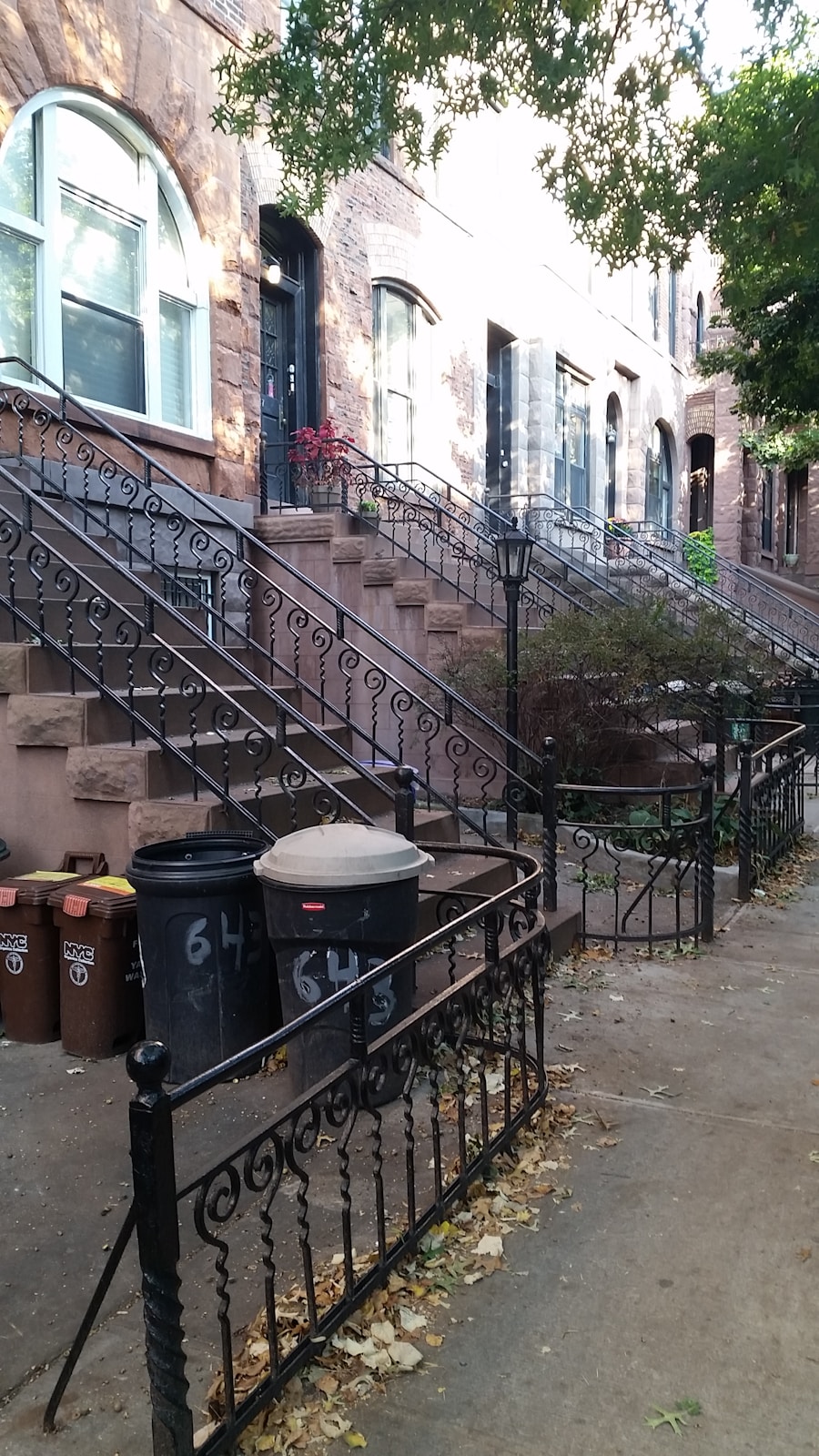
Brooklyn’s building codes and regulations are designed to ensure safety, sustainability, and community standards. However, they can be complex and daunting for those unfamiliar with the local landscape. Each neighborhood may have its own set of rules that dictate everything from zoning laws to construction permits.
For instance, certain areas may have restrictions on building heights or require specific materials to maintain historical integrity. Understanding these regulations is crucial for avoiding costly delays or legal issues during the renovation process. To navigate this intricate web of regulations, it is often beneficial to work with professionals who have experience in Brooklyn’s regulatory environment.
Architects and contractors who specialize in local renovations can provide invaluable guidance on what is permissible and what is not. They can help secure necessary permits and ensure that all work complies with local codes. Additionally, staying informed about any changes in legislation or new initiatives can help homeowners make proactive decisions that align with evolving community standards.
Working with Historic Preservation Boards in Brooklyn
Brooklyn is home to numerous historic districts and landmarks, which are protected by preservation boards that oversee renovations and restorations. Engaging with these boards is essential for homeowners looking to renovate properties within designated historic areas. The process often involves submitting detailed plans that demonstrate how the proposed changes will preserve the building’s historical character while meeting modern needs.
This can include everything from maintaining original facades to using historically accurate materials. The relationship between homeowners and preservation boards can be collaborative rather than adversarial. Many boards appreciate when homeowners take an active interest in preserving the neighborhood’s history and character.
By presenting well-researched proposals that align with preservation goals, homeowners can often find common ground with board members.
Leveraging Local Relationships for Quality Materials and Craftsmanship
In Brooklyn’s competitive renovation market, establishing relationships with local suppliers and craftsmen can significantly enhance the quality of a project. Local artisans often possess unique skills and knowledge about traditional building techniques that are essential for maintaining the authenticity of renovations, especially in historic properties. For example, a skilled mason familiar with Brooklyn’s brickwork can ensure that repairs blend seamlessly with existing structures, preserving the building’s character.
Moreover, sourcing materials locally can have both aesthetic and practical benefits. Local suppliers are more likely to offer materials that are appropriate for the specific architectural style of a neighborhood. Additionally, working with local businesses supports the community’s economy and fosters a sense of connection among residents.
Homeowners who prioritize local craftsmanship often find that their projects not only meet their design goals but also contribute to the preservation of Brooklyn’s rich architectural heritage.
Addressing Environmental and Sustainability Concerns in Brooklyn Renovations
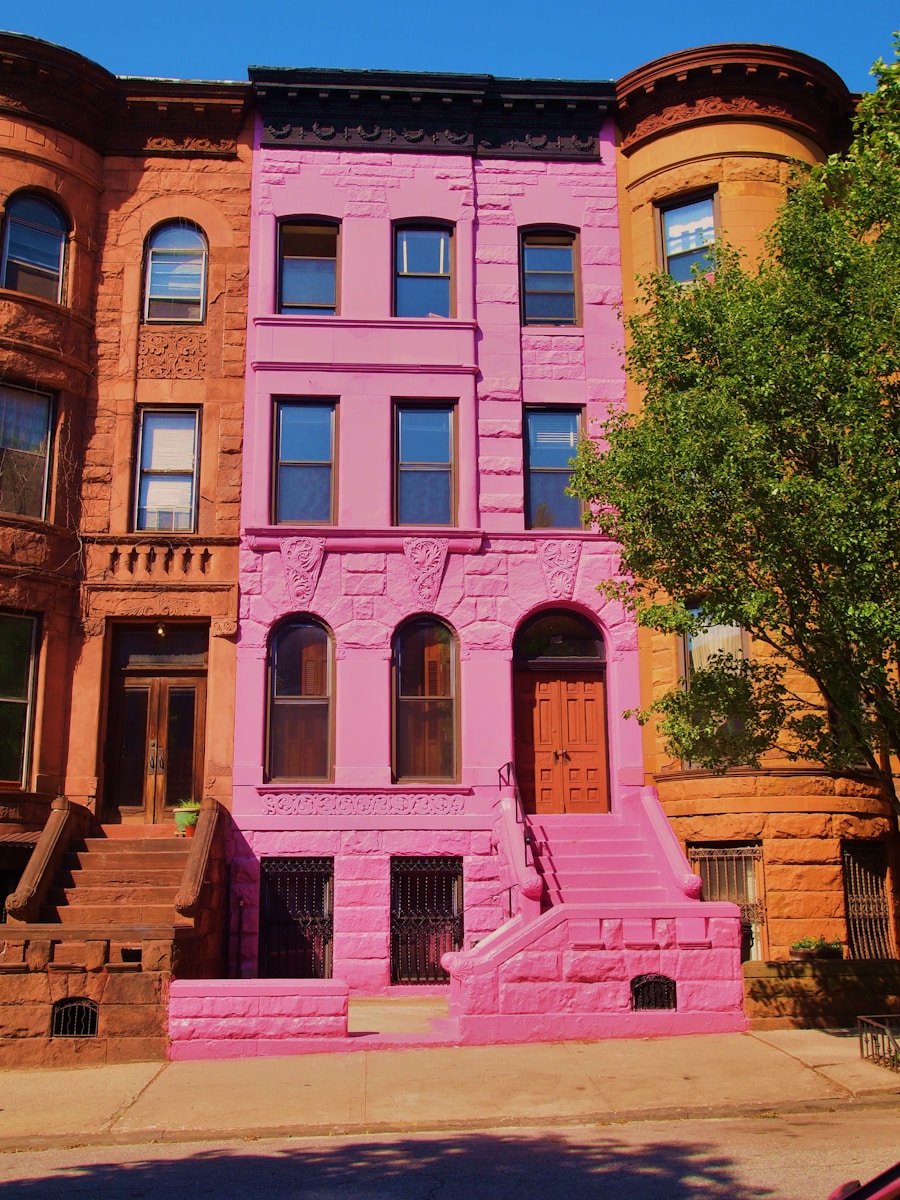
As awareness of environmental issues grows, many homeowners in Brooklyn are increasingly focused on sustainability during renovations. This includes selecting eco-friendly materials, implementing energy-efficient systems, and considering the overall environmental impact of their projects. For instance, using reclaimed wood or recycled materials not only reduces waste but also adds character to a home.
Similarly, installing energy-efficient windows or solar panels can significantly lower utility costs while minimizing the carbon footprint. Incorporating green design principles into renovations also aligns with Brooklyn’s broader commitment to sustainability. Many neighborhoods have embraced initiatives aimed at reducing energy consumption and promoting green spaces.
Homeowners who prioritize these values in their renovations can contribute to these efforts while enhancing their property’s appeal. Furthermore, sustainable renovations often lead to long-term savings, making them an attractive option for budget-conscious homeowners.
The Value of Local Expertise in Maximizing Space and Functionality
Brooklyn’s housing stock often features smaller living spaces compared to suburban counterparts, making it essential for homeowners to maximize every square foot effectively. Local experts—architects, interior designers, and contractors—bring invaluable insights into how to optimize space without sacrificing style or comfort. They understand the nuances of Brooklyn homes and can suggest innovative solutions tailored to individual needs.
For example, an experienced designer might recommend built-in shelving or multi-purpose furniture that serves dual functions, such as a sofa bed for guests or a dining table that folds away when not in use. Additionally, local experts are familiar with zoning laws that may allow for extensions or modifications that increase usable space without compromising the building’s integrity. Their knowledge can help homeowners navigate these options effectively, ensuring that renovations enhance both functionality and livability.
The Role of Community Engagement in Brooklyn Renovations
Community engagement plays a pivotal role in successful renovations throughout Brooklyn. Involving neighbors and local stakeholders in the planning process fosters transparency and builds trust within the community. Homeowners who actively seek input from those around them are more likely to create spaces that reflect collective values and aspirations rather than imposing personal visions that may not resonate with others.
Engaging with community organizations or attending local meetings can provide valuable insights into what residents prioritize in their neighborhoods. For instance, if a renovation project includes outdoor spaces, understanding community preferences for gardens or recreational areas can guide design decisions that enhance communal life. Furthermore, successful community engagement can lead to collaborative projects that benefit everyone involved—such as shared green spaces or community art installations—ultimately enriching the neighborhood’s character while ensuring that renovations are embraced rather than resisted by those who live nearby.
When embarking on a renovation project like the Brick Rowhouse Gut Renovation in Brooklyn, it is crucial to consider the expertise of local contractors. In an article titled “Efficient Strategies to Maximize Your Space”, ESG Builders Ltd. discusses the importance of utilizing efficient strategies to make the most out of your living space.
By working with a contractor who has a deep understanding of the local market and building codes, homeowners can ensure that their renovation project is completed successfully.
FAQs
What is a brick rowhouse gut renovation?
A brick rowhouse gut renovation involves completely stripping the interior of a brick rowhouse down to its structural elements and rebuilding it from scratch, often including updates to plumbing, electrical, and HVAC systems.
Why does local experience matter in Brooklyn renovations?
Local experience matters in Brooklyn renovations because each neighborhood has its own unique architectural styles, building codes, and permit requirements. A contractor with local experience will be familiar with these nuances and can navigate the renovation process more effectively.
What are some common challenges in Brooklyn rowhouse renovations?
Common challenges in Brooklyn rowhouse renovations include navigating historic preservation regulations, working with limited space, and addressing issues related to aging infrastructure and building materials.
How can a contractor with local experience help with these challenges?
A contractor with local experience can help navigate historic preservation regulations, maximize space efficiency, and address infrastructure challenges by drawing on their knowledge of local building codes, materials, and suppliers.
What are some key considerations for a brick rowhouse gut renovation in Brooklyn?
Key considerations for a brick rowhouse gut renovation in Brooklyn include preserving historic architectural features, maximizing natural light, and ensuring the renovation meets the needs of modern living while respecting the character of the neighborhood.