
Soundproofing a basement is often overlooked, yet it plays a crucial role in enhancing the overall functionality and comfort of the space. Basements are typically used for various purposes, including recreational areas, home theaters, or even music studios. However, without proper soundproofing, these spaces can become echo chambers, amplifying noise from both inside and outside the home.
This can lead to disturbances not only for those using the basement but also for the rest of the household. By investing in soundproofing, homeowners can create a serene environment that allows for relaxation and enjoyment without the intrusion of unwanted noise. Moreover, soundproofing can significantly increase the value of a home.
Potential buyers often look for properties that offer versatile living spaces, and a well-soundproofed basement can be a major selling point. It demonstrates that the homeowner has taken steps to enhance the livability of the space, making it more appealing for various uses. Additionally, soundproofing can help in reducing energy costs by improving insulation, as soundproofing materials often have thermal properties that contribute to maintaining a stable indoor temperature.
Thus, understanding the importance of soundproofing is not just about noise reduction; it encompasses comfort, functionality, and property value.
Key Takeaways
- Soundproofing your basement is important for reducing noise transfer and creating a peaceful environment.
- Choose soundproofing materials like acoustic foam, soundproofing insulation, and mass-loaded vinyl to effectively reduce noise.
- Proper installation of soundproofing materials is crucial for maximum effectiveness, including sealing gaps and using resilient channels.
- Maximize soundproofing effectiveness by adding carpets, curtains, and furniture to absorb sound and reduce reverberation.
- Create the ultimate music practice space or home theater experience by customizing soundproofing for your specific needs.
Choosing the Right Materials for Soundproofing
Selecting appropriate materials for soundproofing is essential to achieving optimal results. There are several options available, each with its unique properties and benefits. One of the most common materials used for soundproofing is mass-loaded vinyl (MLV).
This dense material is effective at blocking sound transmission due to its weight and flexibility. MLV can be applied to walls, ceilings, and floors, making it a versatile choice for various basement configurations. Additionally, it is relatively easy to install, which is an advantage for DIY enthusiasts.
Another popular option is acoustic foam panels. These panels are designed to absorb sound waves rather than block them, making them ideal for reducing echo and improving sound quality within a space. They come in various shapes and sizes, allowing homeowners to customize their installation based on aesthetic preferences and functional needs.
While acoustic foam is excellent for music rooms or home theaters where sound clarity is paramount, it may not be sufficient on its own for complete soundproofing against external noise. Therefore, combining different materials—such as MLV with acoustic foam—can yield superior results.
Installing Soundproofing Materials in Your Basement

The installation process for soundproofing materials can vary depending on the type of material chosen and the specific layout of the basement. For instance, when using mass-loaded vinyl, it is crucial to ensure that it is applied correctly to maximize its effectiveness. This typically involves measuring the walls and cutting the MLV to fit snugly against them.
It is advisable to use an adhesive or nails specifically designed for MLV to secure it in place. Additionally, sealing any gaps or seams with acoustic caulk can further enhance sound isolation by preventing sound leaks. When installing acoustic foam panels, placement is key to achieving the desired acoustic effect.
Panels should be strategically positioned on walls and ceilings to target areas where sound reflections are most likely to occur. A common approach is to place panels at first reflection points—these are locations where sound waves bounce off surfaces before reaching the listener’s ears. Homeowners can use a mirror trick: sit in the listening position and have someone move a mirror along the wall until you can see the speakers; this indicates where panels should be installed.
Proper installation not only improves sound quality but also contributes to an aesthetically pleasing environment.
Tips for Maximizing Soundproofing Effectiveness
To ensure that soundproofing efforts yield the best possible results, several tips can be employed. First and foremost, addressing any structural weaknesses in the basement is essential. This includes checking for gaps around windows, doors, and vents that could allow sound to seep through.
Installing weather stripping around doors and using acoustic seals on windows can significantly reduce noise infiltration from outside sources. Additionally, ensuring that floors are adequately insulated can prevent sound from traveling between levels of the home. Another effective strategy is to incorporate soft furnishings into the basement design.
Carpets, rugs, curtains, and upholstered furniture can all contribute to sound absorption within a space. These materials help to dampen sound waves and reduce echo, creating a more pleasant auditory environment. Furthermore, layering different types of soundproofing materials—such as combining heavy curtains with acoustic panels—can enhance overall effectiveness.
By taking a comprehensive approach that includes both structural modifications and interior design elements, homeowners can achieve a well-soundproofed basement that meets their needs.
Soundproofing for Music: Creating the Ultimate Practice Space
For musicians or bands looking to create a dedicated practice space in their basement, soundproofing is paramount to ensure both privacy and optimal acoustics. The first step in this process involves assessing the specific needs of the musicians using the space. For example, if electric instruments are being played, it may be necessary to focus on blocking external noise while also managing internal reflections to enhance sound quality.
This could involve using thicker walls or adding additional layers of drywall with sound-dampening compounds. In addition to structural considerations, incorporating specialized equipment such as isolation booths can further improve sound quality during practice sessions. These booths are designed to contain sound within a specific area while minimizing leakage to other parts of the house or outside.
Furthermore, musicians should consider using high-quality microphones and recording equipment that are designed to capture sound accurately within a treated environment. By combining effective soundproofing techniques with appropriate musical equipment, musicians can create an ideal practice space that fosters creativity and productivity.
Soundproofing for Movies: Creating a Home Theater Experience
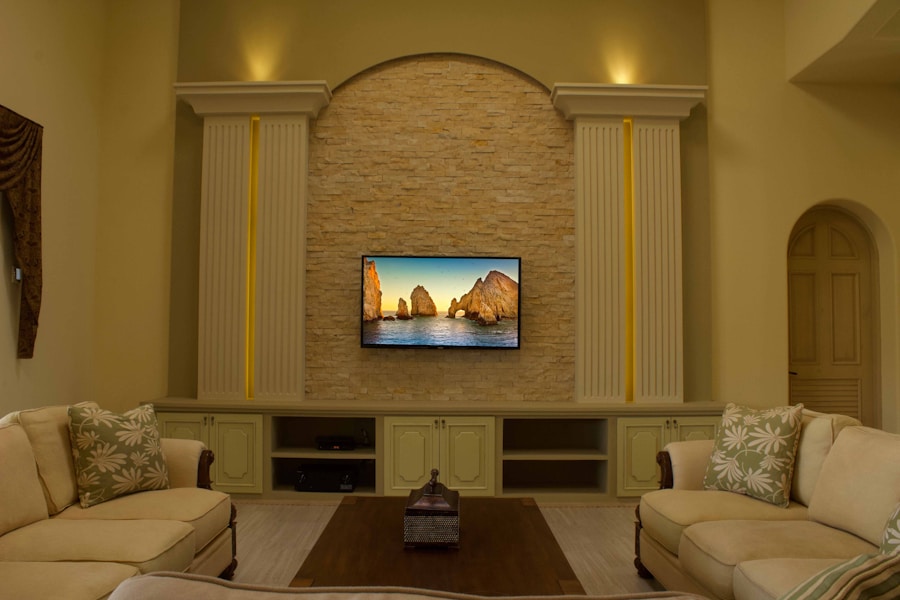
Blocking Out External Noise
The first step is to prevent external noise from disrupting movie-watching enjoyment. This can be achieved by hanging heavy curtains over windows and using thick carpets or rugs on the floor to absorb sound waves.
Optimizing Audio Quality
Wall treatments such as acoustic panels or bass traps can help manage sound reflections and improve overall audio quality. Selecting appropriate audio equipment that complements the soundproofed environment is also crucial. High-quality speakers should be strategically placed throughout the room to ensure even distribution of sound while minimizing distortion caused by reflections off hard surfaces.
Enhancing Bass Response
Subwoofers may require special consideration; placing them in corners can enhance bass response but may also lead to unwanted resonances if not properly managed with acoustic treatments.
Maintaining and Updating Your Soundproofing Materials
Soundproofing materials require regular maintenance to ensure their effectiveness over time. For instance, checking for any signs of wear or damage—such as tears in acoustic panels or gaps in seals—is essential for maintaining optimal performance. If any issues are identified, prompt repairs or replacements should be made to prevent further deterioration of sound isolation capabilities.
Additionally, dust accumulation on acoustic panels can hinder their performance; therefore, periodic cleaning is necessary to keep them functioning effectively. Updating soundproofing materials may also be warranted as technology advances or as personal needs change over time. For example, if a homeowner decides to convert their basement into a more specialized space—such as a recording studio or home theater—they may need to invest in higher-quality materials or additional treatments tailored specifically for those purposes.
Hiring Professionals for Soundproofing Your Basement
While many homeowners may choose to tackle soundproofing projects themselves, hiring professionals can provide significant advantages in terms of expertise and efficiency. Professional contractors specializing in soundproofing have extensive knowledge of various materials and techniques that can lead to superior results compared to DIY efforts.
Moreover, professionals often have access to advanced tools and equipment that facilitate precise installation of soundproofing materials. This not only ensures that materials are applied correctly but also minimizes potential mistakes that could compromise effectiveness. Additionally, hiring experts can save homeowners time and effort—allowing them to focus on enjoying their newly transformed basement rather than navigating complex installation processes themselves.
Ultimately, investing in professional services can lead to a more successful outcome in creating a well-soundproofed basement tailored to individual preferences and requirements.
If you are considering soundproofing your basement for music or movies, you may also be interested in reading about the step-by-step transformations ESG Builders Ltd. can provide for crafting your dream home. ESG Builders Ltd. offers a service-plus approach to basement remodeling, ensuring that your space is not only soundproof but also aesthetically pleasing and functional. To learn more about their services, visit ESG Builders Ltd. today.
FAQs
What is soundproofing?
Soundproofing is the process of reducing or blocking sound transmission from one area to another. It involves using materials and techniques to minimize the transfer of sound waves.
Why is soundproofing important for a basement remodel?
Soundproofing is important for a basement remodel, especially if the space will be used for activities such as music or movie watching. It helps to create a more enjoyable and comfortable environment by reducing the transmission of sound to other parts of the house.
What are some common soundproofing materials and techniques for a basement remodel?
Common soundproofing materials and techniques for a basement remodel include using acoustic insulation, soundproof drywall, resilient channels, acoustic panels, and weather stripping for doors and windows. Additionally, carpeting and heavy curtains can also help absorb sound.
How can I soundproof my basement for music or movies?
To soundproof your basement for music or movies, you can start by insulating the walls and ceiling with acoustic insulation and installing soundproof drywall. Adding acoustic panels and carpets can also help absorb sound. Additionally, sealing any gaps around doors and windows can further reduce sound transmission.
Are there professional soundproofing services available for basement remodels?
Yes, there are professional soundproofing companies that specialize in basement remodels. These companies can assess your specific needs and provide customized solutions to effectively soundproof your basement for music or movies.